Why a Ventilator Is Important: How It Saves Lives in Emergencies

First Aid for Accident Victims: Essential Emergency Care Steps Guide
June 11, 2026
How to Give First Aid to Accidental Patients
June 18, 2026
In modern healthcare, a ventilator is important because it provides immediate breathing assistance when a person cannot breathe effectively on their own. From severe lung infections to traumatic injuries, this life-support device plays a critical role in stabilizing patients and improving survival rates. Understanding how ventilators work and why they are used can help patients and families make informed healthcare decisions during critical situations.
Ventilator: What You Should Know
Understanding ventilator properly, rather than relying on assumptions, is what actually keeps people safe and helps them get the right care at the right time. The World Health Organization publishes guidance on this topic that supports the approach we follow at TrustMed Hospital.
Why Is a Ventilator Important in Critical Care
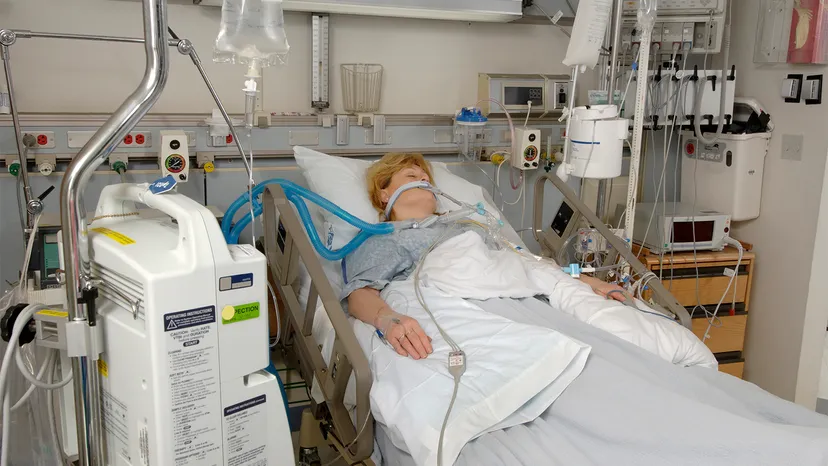
A ventilator is a medical device designed to move air into and out of the lungs when natural breathing becomes difficult or impossible. In cases of respiratory failure, doctors often rely on mechanical ventilation to ensure the body continues receiving adequate oxygen.
Ventilator Is Important because it supports vital organ function by maintaining proper oxygen levels and removing carbon dioxide from the body. Without timely oxygen support, organs such as the brain, heart, and kidneys can suffer irreversible damage within minutes.
Many patients admitted to the intensive care unit require ventilator assistance due to serious illnesses, post-surgical complications, or severe infections. As part of comprehensive emergency medical care, ventilators help healthcare teams manage life-threatening conditions while treating the underlying cause.
How Ventilators Are Important During Medical Emergencies
During emergencies, every second matters. Ventilator Is Important when patients experience sudden breathing difficulties caused by conditions such as pneumonia, acute respiratory distress syndrome (ARDS), severe asthma attacks, or major trauma.
The table below highlights common emergencies where ventilator support may be required:
| Medical Condition | Why Ventilator Support Is Needed |
| Severe pneumonia | Improves oxygen delivery to the lungs |
| Respiratory failure | Maintains breathing when the lungs cannot function effectively |
| Major trauma or injury | Supports breathing during stabilization and treatment |
| Stroke or brain injury | Assists patients who lose normal breathing control |
| Post-surgical complications | Provides temporary breathing assistance during recovery |
In these scenarios, mechanical ventilation acts as a bridge that keeps patients alive while doctors address the root medical problem. Proper oxygen support can significantly reduce the risk of complications associated with prolonged oxygen deprivation.
How Ventilators Work to Support Breathing
A ventilator delivers controlled airflow through a mask or breathing tube. The machine monitors breathing patterns and adjusts airflow based on the patient’s needs. This process ensures consistent oxygen support while reducing the workload on weakened lungs.
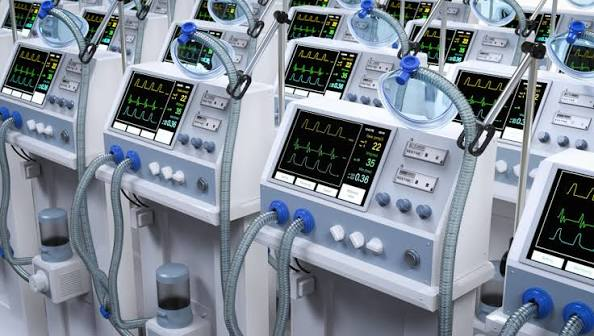
Modern ventilators used in the intensive care unit include advanced monitoring systems that help clinicians track oxygen levels, lung pressure, and respiratory performance in real time. These technologies have improved patient outcomes and enhanced safety during emergency medical care.
Because every patient is different, healthcare professionals carefully customize mechanical ventilation settings to match age, weight, lung condition, and overall health status.
When a Ventilator Is Important for Different Patients
Although ventilators are often associated with critical illness, they are important for a wide range of patients. Individuals with severe respiratory infections, chronic lung disease flare-ups, neurological disorders, or surgical recovery needs may temporarily require breathing assistance.
For patients experiencing respiratory failure, ventilators help maintain adequate oxygen levels until the lungs recover. In the intensive care unit, healthcare teams continuously evaluate whether the patient still needs mechanical ventilation or is ready to breathe independently.
The goal is always to provide the right amount of oxygen support while minimizing potential complications. This careful balance is a key component of modern emergency medical care and critical care medicine.
Benefits of Early Ventilator Intervention
Early intervention can significantly improve survival chances in patients with severe breathing difficulties. Some major benefits include:
- Stabilizing oxygen levels during critical illness.
- Reducing stress on the lungs and respiratory muscles.
- Supporting organ function during recovery.
- Allowing doctors time to treat the underlying condition.
- Improving outcomes in cases of severe respiratory failure.
Hospitals with experienced critical care teams often achieve better outcomes because ventilator management requires specialized expertise. This highlights the importance of seeking prompt medical attention whenever serious breathing symptoms occur. For patients and families searching for an ICU hospital in badshahpur gurgaon, choosing a facility with a dedicated critical care unit and skilled intensivists can make a significant difference in emergency and life-support situations.
Practical Advice for Patients and Families
If a loved one is placed on a ventilator, understanding the treatment process can reduce anxiety and improve communication with healthcare providers. Ask the medical team about the reason for ventilation, expected duration, recovery goals, and monitoring procedures.
It is also helpful to learn more about related topics such as critical care recovery, lung health, and post-hospital rehabilitation. These areas provide valuable internal linking opportunities for healthcare websites seeking to build comprehensive educational resources.
Quick Takeaway
A ventilator is important because it provides life-saving breathing assistance when the lungs cannot function adequately on their own. The importance of ventilator support is especially evident during severe infections, traumatic injuries, surgical recovery, or advanced respiratory failure, where patients may be unable to breathe effectively without assistance. Ventilators remain among the most essential tools in modern medicine.
Through effective mechanical ventilation, reliable oxygen support, specialized treatment in the intensive care unit, and timely emergency medical care, healthcare professionals can protect vital organs, improve recovery outcomes, and save countless lives every year.
In conclusion, the ventilator is important not only as a life-support device but also as a critical bridge to recovery, giving patients the best possible chance of survival during medical emergencies.