How to Give First Aid to Accidental Patients

Why a Ventilator Is Important: How It Saves Lives in Emergencies
June 13, 2026
Expert Dengue Treatment Solutions for Safe Health Recovery
June 20, 2026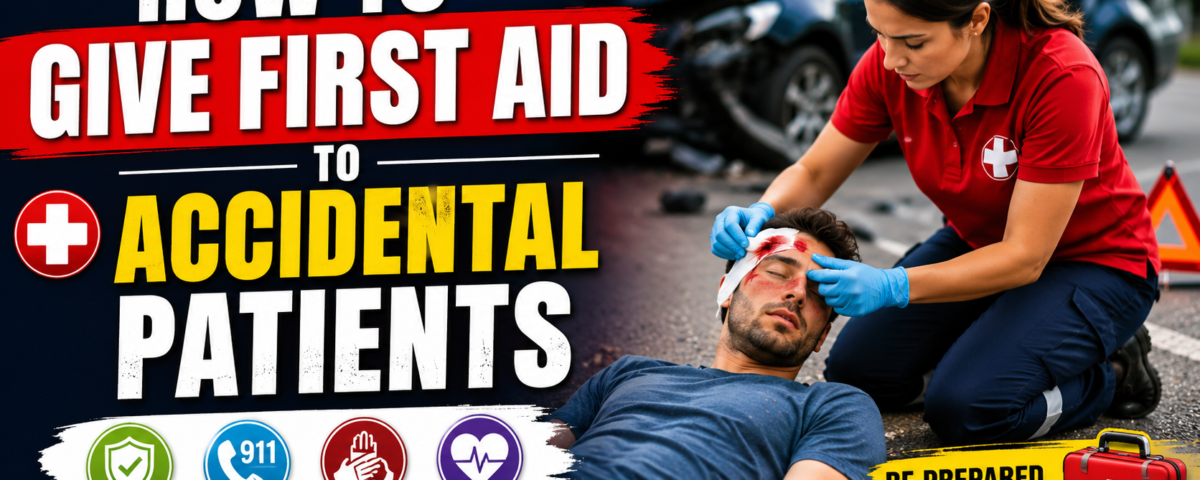
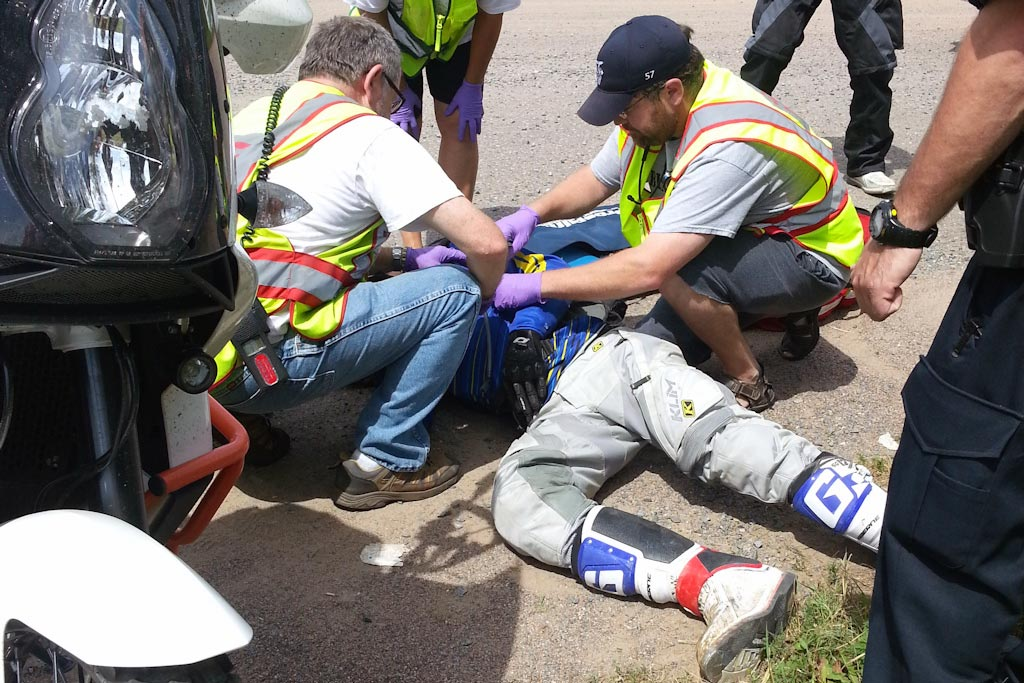
Accidents can happen anywhere—at home, on the road, at work, or during outdoor activities. In the critical moments before professional medical help arrives, knowing how to provide first aid to accidental patients can make a significant difference. Immediate and appropriate action can help prevent complications, reduce pain, and even save lives.
This guide explains the essential steps, safety measures, and best practices for delivering effective emergency care while waiting for medical professionals.
First Aid to Accidental Patients: What You Should Know
Understanding first aid to accidental patients properly, rather than relying on assumptions, is what actually keeps people safe and helps them get the right care at the right time. The World Health Organization publishes guidance on this topic that supports the approach we follow at TrustMed Hospital.
Why First Aid Matters in Accident Situations
Providing first aid for accident victims is often the first line of defence against serious injury. Quick intervention helps stabilise the injured person, prevents further harm, and increases the chances of recovery.
Whether the accident involves bleeding, fractures, burns, or unconsciousness, the goal of first aid is to preserve life, promote recovery, and prevent the condition from worsening. Every individual should understand these basic emergency response principles.
Assess the Scene Before Helping
Before approaching an injured person, ensure the area is safe for both you and the victim. Look for ongoing dangers such as traffic, fire, electrical hazards, falling objects, or chemical exposure.
Follow these initial steps:
- Check the surroundings for risks.
- Use protective equipment if available.
- Avoid moving the victim unless there is immediate danger.
- Call emergency services as soon as possible.
A safe environment is essential when administering first aid to accidental patients, as rescuers should never put themselves at risk. In severe emergencies, contacting an emergency care hospital in Badshahpur Gurgaon can ensure timely medical intervention after initial first aid is provided.
Perform a Quick Primary Assessment
Once the scene is secure, assess the patient’s condition using the ABC approach:
Airway
Ensure the airway is open and unobstructed. If the person is unconscious, carefully tilt the head and lift the chin unless a spinal injury is suspected.
Breathing
Check whether the person is breathing normally. Look for chest movement and listen for breath sounds.
Circulation
Look for signs of severe bleeding or poor circulation. Uncontrolled blood loss requires immediate attention.
This systematic evaluation helps prioritise the most critical problems when providing first aid to accidental patients.
Managing Severe Bleeding
Heavy bleeding is one of the most urgent emergencies after an accident. Rapid blood loss can become life-threatening within minutes.
To control bleeding:
- Apply direct pressure using a clean cloth or bandage.
- Elevate the injured area if appropriate.
- Maintain pressure until help arrives.
- Avoid removing blood-soaked dressings; add more layers if needed.
Prompt bleeding control is a crucial component of first aid for accidental patients and can significantly improve survival outcomes.
What to Do in Case of Fractures and Sprains
Broken bones and joint injuries are common in road accidents, falls, and sports incidents.
Signs may include:
- Severe pain
- Swelling
- Deformity
- Difficulty moving the affected area
Avoid attempting to straighten a suspected fracture. Instead, immobilise the injured limb using a splint or supportive material and seek medical attention immediately from a qualified hospital in Badshahpur Gurgaon or the nearest emergency healthcare facility.
If you’re interested in emergency injury management, this topic can naturally link to related guides on fracture care and emergency preparedness.
Helping an Unconscious Person
If a person is unconscious but breathing:
- Place them in the recovery position.
- Keep the airway clear.
- Monitor breathing continuously.
- Stay with the person until medical help arrives.
If the person is not breathing, begin CPR if you are trained to do so and follow local emergency response guidelines.
Knowing these procedures strengthens your ability to provide effective first aid to accidental patients during life-threatening situations.
Treating Burns After an Accident
Burn injuries may result from fire, hot liquids, chemicals, or electrical accidents.
For minor burns:
- Cool the area with clean running water for at least 20 minutes.
- Remove jewellery or tight items near the burn.
- Cover with a sterile, non-stick dressing.
Avoid applying butter, toothpaste, or other home remedies. For severe burns, seek emergency medical assistance immediately.
Proper burn care is an important part of comprehensive first aid to accidental patients and helps reduce tissue damage.
Recognising Signs of Shock
Shock can occur after serious injuries, heavy bleeding, or trauma. It is a medical emergency that requires immediate attention.
Common symptoms include:
- Pale or clammy skin
- Rapid pulse
- Weakness
- Confusion
- Shallow breathing
To help:
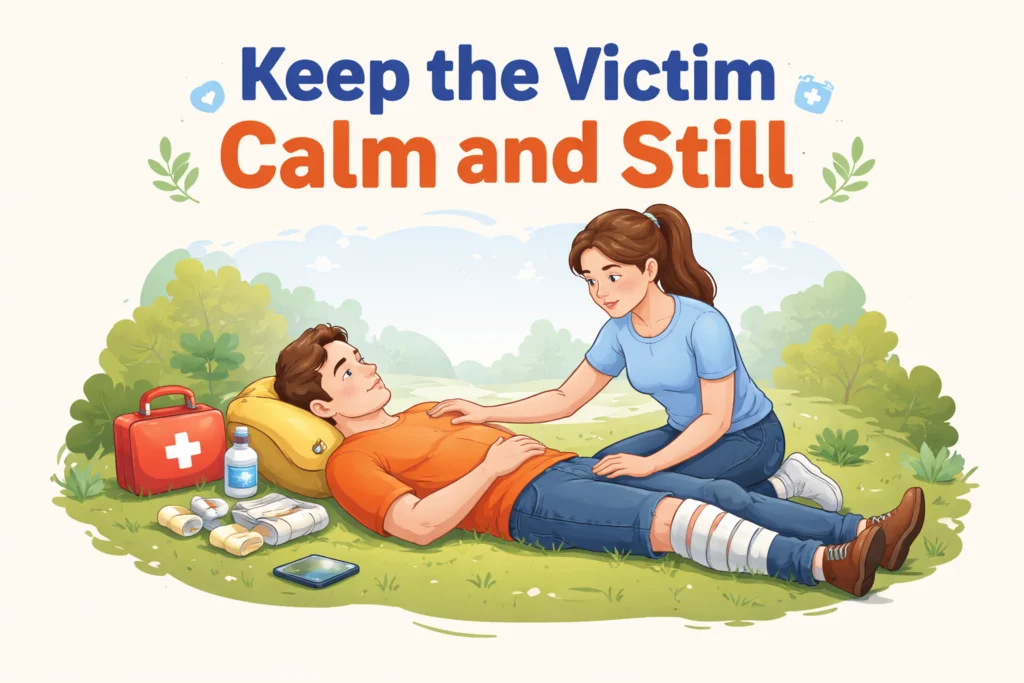
- Lay the person down.
- Raise the legs slightly if no spinal or leg injury is suspected.
- Keep them warm and comfortable.
- Reassure them while waiting for emergency services.
Early recognition can improve outcomes when delivering first aid to accidental patients. In critical cases, rapid transportation to an emergency care hospital in Badshahpur Gurgaon can be life-saving.
Common Mistakes to Avoid
Even with good intentions, certain actions can worsen injuries.
Avoid:
- Moving victims unnecessarily.
- Giving food or drink to unconscious individuals.
- Removing objects embedded in wounds.
- Ignoring signs of internal injuries.
- Delaying emergency medical assistance.
Understanding these mistakes helps ensure that emergency care remains safe and effective.
Quick Takeaways for Emergency Situations
When faced with an accident:
- Ensure scene safety first.
- Call emergency services immediately.
- Assess airway, breathing, and circulation.
- Control severe bleeding quickly.
- Immobilise suspected fractures.
- Monitor the patient continuously.
- Stay calm and provide reassurance.
These simple actions form the foundation of successful first aid for accident victims and can make a meaningful difference before professional help arrives.
Conclusion
Accidents are unpredictable, but preparedness can save lives. Learning how to provide first aid to accidental patients equips individuals with the confidence and skills needed to respond effectively during emergencies. By carefully assessing the situation, promptly managing immediate threats, and seeking professional medical assistance from a trusted hospital when required, you can help protect the health and safety of injured individuals during the most critical moments.