Expert Dengue Treatment Solutions for Safe Health Recovery

How to Give First Aid to Accidental Patients
June 18, 2026
Early Signs That a Patient Needs ICU Support and Treatment
June 24, 2026
Dengue is one of the most common mosquito-borne viral illnesses affecting millions of people every year. Early diagnosis, proper medical supervision, and supportive care play a critical role in preventing complications and ensuring a smooth recovery.
When individuals recognize warning signs quickly and seek timely dengue treatment, the chances of a safe and complete recovery improve significantly.
This guide explains how dengue is managed, the available medical options, recovery strategies, and when emergency intervention may be necessary.
Dengue treatment: What You Should Know
Understanding dengue treatment properly, rather than relying on assumptions, is what actually keeps people safe and helps them get the right care at the right time. The World Health Organization publishes guidance on this topic that supports the approach we follow at TrustMed Hospital.
Understanding Dengue and Its Impact on Health
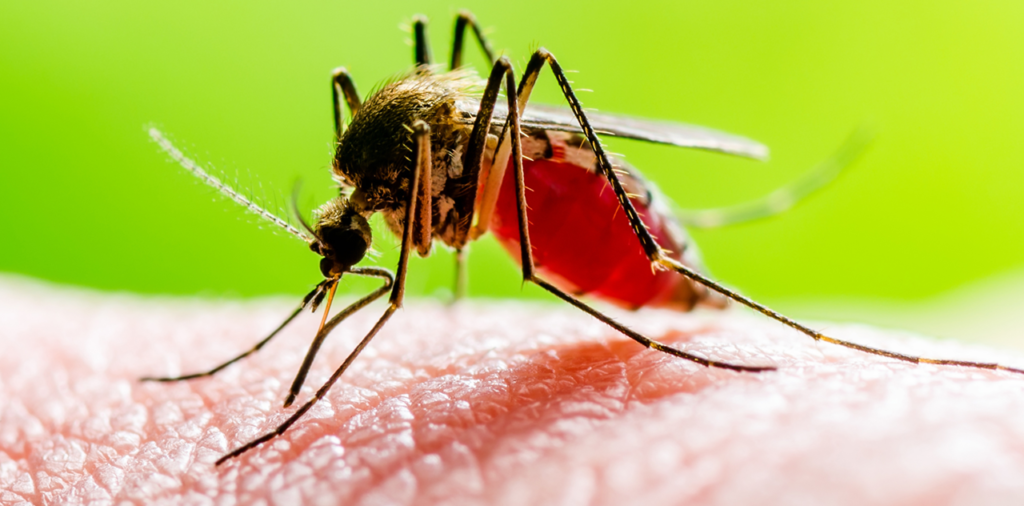
Dengue is caused by the dengue virus and is transmitted primarily through the bite of infected Aedes mosquitoes. The infection can range from mild flu-like illness to severe forms that require hospitalization. Understanding the disease helps patients and caregivers make informed healthcare decisions.
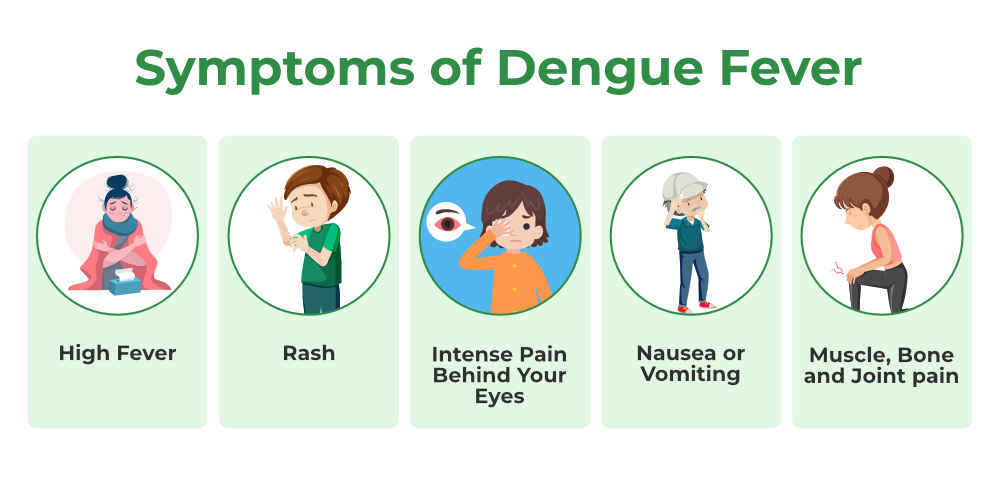
Common Dengue fever symptoms include high fever, severe headache, pain behind the eyes, muscle aches, joint pain, nausea, vomiting, and skin rashes. While many patients recover within a few weeks, some may develop serious complications such as severe bleeding, low platelet counts, and plasma leakage.
Prompt medical assessment is important because the severity of the disease cannot always be predicted during the early stages.
What Is the Most Effective Approach to Recovery?
The most effective dengue treatment focuses on symptom management, hydration, close monitoring, and preventing complications. Since dengue is caused by a virus, there is currently no specific antiviral cure.
Instead, healthcare providers concentrate on supporting the body’s recovery process while carefully monitoring vital signs and blood parameters.
The success of the treatment of dengue largely depends on early detection and consistent medical follow-up. Patients who receive timely care often experience faster recovery and lower risk of complications.
Recognizing Symptoms Early
Identifying warning signs at an early stage allows healthcare professionals to provide appropriate care before the condition worsens. Some of the most frequently reported Dengue fever symptoms include:
- Sudden high fever
- Intense body pain
- Severe fatigue
- Persistent headache
- Loss of appetite
- Nausea and vomiting
- Skin rash
In some cases, patients may also experience abdominal discomfort or mild bleeding from the gums and nose. Tracking these symptoms carefully can help doctors assess disease progression and determine the best course of action.
Medical Evaluation and Diagnosis
Accurate diagnosis is essential before starting any care plan. Doctors typically evaluate medical history, physical symptoms, and laboratory reports. Blood tests help confirm infection and monitor platelet levels, hematocrit, and overall health.
Early diagnosis enables healthcare teams to determine whether a patient can recover safely at home or requires observation in a hospital setting. This step is particularly important because some individuals may develop severe complications despite initially appearing stable.
Once diagnosed, dengue treatment begins with a structured management plan tailored to the patient’s condition and risk factors.
Medical Management and Supportive Care
The right dengue treatment depends on symptom severity, hydration levels, age, and underlying medical conditions. Most patients recover with supportive care, but close monitoring remains crucial throughout the illness.
Hydration is one of the most important aspects of recovery. Doctors often recommend increased fluid intake to prevent dehydration caused by fever, vomiting, or reduced appetite. Oral rehydration solutions, water, coconut water, and clear soups may be suggested depending on the patient’s condition.
When fever and pain become uncomfortable, healthcare providers may recommend appropriate Dengue treatment medicine to manage symptoms safely. However, self-medication should be avoided because some medications can increase the risk of bleeding.
Healthcare professionals carefully select Dengue treatment medicine based on individual patient needs and clinical guidelines. Medical supervision helps ensure both safety and effectiveness during recovery.
The Role of Hospital-Based Care
While many dengue cases can be managed at home, some patients require hospitalization. Warning signs such as persistent vomiting, severe abdominal pain, breathing difficulty, confusion, or signs of bleeding should never be ignored.
A trusted hospital in badshahpur gurgaon can provide advanced monitoring, laboratory support, fluid management, and specialist consultation when needed. Hospital-based observation becomes particularly important for elderly patients, children, pregnant women, and individuals with chronic health conditions.
For patients showing signs of severe dengue, intravenous fluids and continuous monitoring may be necessary to stabilize their condition and prevent life-threatening complications.
Home Recovery Strategies That Support Healing
In mild cases, supporting dengue treatment at home involves following medical advice carefully and maintaining adequate rest. Recovery often depends on allowing the body sufficient time to heal while avoiding unnecessary physical stress.
Patients should focus on:
- Drinking fluids regularly
- Consuming light and nutritious meals
- Getting adequate sleep
- Monitoring body temperature
- Following prescribed medical instructions
The treatment of dengue also involves regular follow-up appointments when recommended by a healthcare provider. These evaluations help ensure that platelet counts and hydration levels remain within safe ranges.
Another important aspect of recovery is avoiding unverified remedies. Although many home remedies are promoted online, patients should rely on evidence-based recommendations from qualified healthcare professionals.
Understanding Medications Used During Recovery
Many people search for the best Dengue treatment medicine, but it is important to understand that medication primarily helps manage symptoms rather than eliminate the virus itself.
Doctors may prescribe or recommend suitable fever-management options while avoiding drugs that could increase bleeding risks. Any Dengue treatment medicine should only be used according to professional medical advice.
Patients should never start, stop, or change medications without consulting a healthcare provider. Even seemingly harmless over-the-counter products can affect recovery when used incorrectly.
The treatment of dengue requires a balanced approach that combines medical supervision, hydration, nutrition, and careful monitoring rather than relying solely on medication.
Warning Signs That Require Immediate Medical Attention
Although many individuals recover without complications, severe dengue can develop rapidly. Recognizing emergency warning signs can save lives.
Seek urgent medical care if any of the following occur:
- Severe abdominal pain
- Continuous vomiting
- Significant bleeding
- Extreme weakness
- Restlessness or confusion
- Difficulty breathing
- Sudden drop in blood pressure
At this stage, professional dengue treatment is essential to prevent complications and support vital organ function. Delaying medical intervention may increase the risk of severe outcomes.
Patients experiencing worsening Dengue fever symptoms should contact a healthcare provider immediately rather than waiting for symptoms to improve on their own.
Read More: Prevention of Malaria: Symptoms and Safety Tips
Recovery Timeline and Long-Term Health
Most patients begin to feel better within one to two weeks, although fatigue may persist for a longer period. Successful dengue treatment continues even after the fever subsides because recovery involves restoring energy levels and maintaining proper hydration.
During the recovery phase, doctors may recommend repeat blood tests to ensure that platelet counts and other health indicators are returning to normal. Individuals should avoid strenuous physical activity until fully recovered.
The treatment of dengue does not end with symptom relief. Ongoing monitoring and healthy lifestyle practices help reduce the likelihood of complications and support complete recovery.
Choosing the Right Healthcare Facility
Access to qualified healthcare professionals significantly influences patient outcomes. When selecting a medical facility, look for experienced physicians, diagnostic capabilities, emergency support, and comprehensive patient care services.
An emergency care hospital in badshahpur gurgaon can be particularly valuable for patients who develop severe symptoms and require immediate intervention. Rapid access to emergency services may help prevent disease progression and improve recovery outcomes.
Healthcare providers with experience in managing dengue cases can offer personalized guidance, monitor disease progression effectively, and recommend the most appropriate Dengue treatment medicine when required.
Preventing Future Dengue Infections
While recovery is important, prevention remains equally essential. Communities and individuals can reduce infection risk by eliminating mosquito breeding sites and protecting themselves from mosquito bites.
Practical prevention measures include:
- Removing stagnant water around homes
- Using mosquito repellents
- Installing window screens
- Wearing protective clothing
- Keeping surroundings clean
Understanding Dengue fever symptoms and seeking medical advice promptly can also contribute to better health outcomes if the infection occurs again.
Quick Takeaways for Patients and Families
Early diagnosis improves recovery outcomes.
Adequate hydration is a key component of care.
Medical supervision is important even in mild cases.
Use only doctor-recommended Dengue treatment medicine.
Watch closely for worsening Dengue fever symptoms.
Emergency care should be sought immediately if warning signs appear.
Regular follow-up supports safer recovery.
Conclusion
Dengue recovery requires awareness, timely medical intervention, and consistent follow-up care. From recognizing symptoms early to maintaining hydration and monitoring health indicators, every step contributes to a safer outcome.
Most importantly, early dengue treatment remains the foundation of effective care, helping patients recover safely while minimizing the risk of serious complications.
By following expert medical guidance and seeking prompt attention when needed, individuals can navigate dengue infection with greater confidence and improved health outcomes.