Early Signs That a Patient Needs ICU Support and Treatment

Expert Dengue Treatment Solutions for Safe Health Recovery
June 20, 2026
Laparoscopic Surgery Benefits: Reduced Pain and Minimal Scarring
June 26, 2026
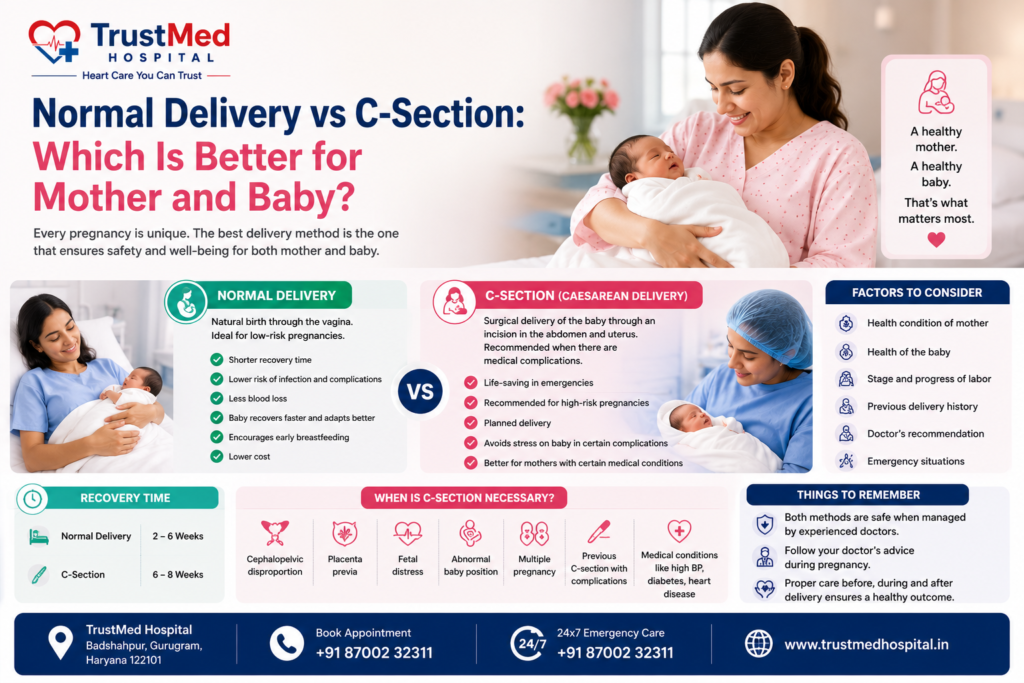
When a medical condition becomes severe, recognizing the warning signs early can make a significant difference in recovery and survival. Families and caregivers often struggle to determine when a situation requires advanced medical intervention. Understanding the early indicators that a patient needs ICU support helps ensure timely treatment and reduces the risk of life-threatening complications.
Patient needs ICU support: What You Should Know
Understanding patient needs icu support properly, rather than relying on assumptions, is what actually keeps people safe and helps them get the right care at the right time. The World Health Organization publishes guidance on this topic that supports the approach we follow at TrustMed Hospital.
What Is ICU Support and Why Is It Important?
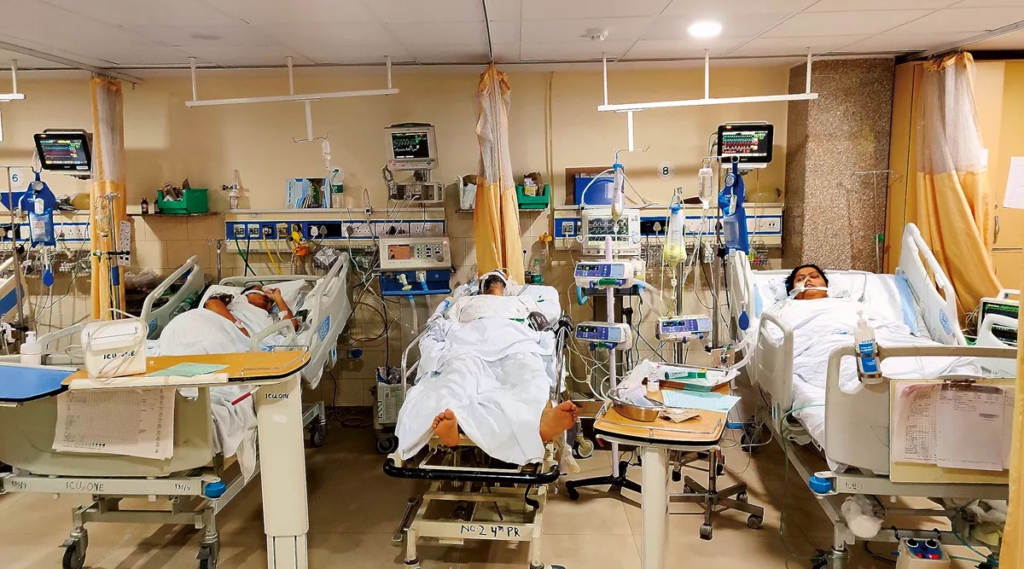
The Intensive Care Unit (ICU) is a specialized hospital department designed to provide continuous monitoring and advanced treatment for critically ill patients. ICUs are equipped with life-support systems, advanced diagnostic tools, and highly trained healthcare professionals who can respond quickly to medical emergencies.
The role of ICU in critical care extends beyond emergency treatment. It includes close monitoring, respiratory support, management of organ dysfunction, and intensive recovery care for patients facing severe health conditions.
Quick Takeaways
- ICU admission is often necessary when vital organs begin to fail.
- Difficulty breathing, unstable blood pressure, and altered consciousness are major warning signs.
- Early intervention can improve outcomes and prevent complications.
- Continuous monitoring allows doctors to respond immediately to changes in a patient’s condition.
- Families should seek urgent medical evaluation when severe symptoms appear suddenly.
Key Early Signs That Indicate Critical Illness
Recognizing these symptoms early can help determine when a patient needs ICU support and specialized treatment.
1. Severe Breathing Difficulties
One of the most common reasons for ICU admission is respiratory distress. A patient who struggles to breathe may not be getting enough oxygen to vital organs.
Warning signs include:
- Rapid breathing
- Extreme shortness of breath
- Blue lips or fingertips
- Persistent wheezing
- Low oxygen saturation levels
If breathing becomes increasingly difficult despite treatment, it may indicate that a patient needs ICU support for advanced respiratory care or mechanical ventilation.
2. Sudden Changes in Consciousness
Altered mental status often signals a serious underlying condition affecting the brain, circulation, or oxygen supply.
Symptoms may include:
- Confusion
- Disorientation
- Excessive drowsiness
- Inability to respond normally
- Loss of consciousness
Healthcare professionals closely monitor neurological changes because they may indicate stroke, severe infection, brain injury, or organ failure.
3. Extremely Low or Unstable Blood Pressure
Blood pressure is a critical indicator of overall health. Persistent hypotension can reduce blood flow to essential organs.
Patients may experience:
- Dizziness
- Weakness
- Cold extremities
- Fainting episodes
- Rapid heartbeat
When circulation becomes unstable, a patient needs ICU support for intensive monitoring and medication management to maintain adequate organ perfusion.
Signs of Severe Infection and Sepsis
Sepsis is one of the leading causes of ICU admissions worldwide. It occurs when the body’s response to infection causes widespread inflammation and organ damage.
Symptoms of Sepsis
Watch for:
- High fever or abnormally low temperature
- Rapid heart rate
- Fast breathing
- Confusion
- Extreme fatigue
- Reduced urine output
Prompt recognition is critical because sepsis can progress rapidly. In many cases, a patient needs ICU support to receive intravenous medications, fluid resuscitation, and continuous observation.

Organ Dysfunction: A Major Warning Signal
The body relies on multiple organs working together efficiently. When one or more organs begin to fail, immediate intervention becomes necessary.
Kidney Dysfunction
Potential signs include:
- Minimal urine production
- Swelling in legs and feet
- Elevated blood toxin levels
- Severe fluid retention
Liver Dysfunction
Warning symptoms may include:
- Yellowing of skin or eyes
- Severe abdominal swelling
- Bleeding abnormalities
- Mental confusion
Heart Failure Symptoms
Patients may experience:
- Chest discomfort
- Persistent shortness of breath
- Fluid accumulation
- Irregular heartbeat
When organ function deteriorates significantly, a patient needs ICU support to stabilize vital systems and prevent further complications.
Critical Cardiac Emergencies
Heart-related conditions frequently require intensive care treatment.
Warning Signs of a Serious Cardiac Event
- Severe chest pain
- Sudden sweating
- Pain radiating to the arm, jaw, or back
- Rapid or irregular heartbeat
- Loss of consciousness
These symptoms may indicate a heart attack, arrhythmia, or cardiac arrest risk. The ICU role in emergency care becomes essential in managing such situations through continuous cardiac monitoring and life-saving interventions.
Traumatic Injuries and Accidents
Severe trauma can rapidly become life-threatening, even when injuries initially appear manageable.
Situations that may require ICU admission include:
- Head injuries
- Major blood loss
- Multiple fractures
- Spinal injuries
- Severe burns
In these cases, a patient needs ICU support to ensure immediate stabilization and ongoing monitoring during the critical recovery period.
Post-Surgical Complications
Some patients require ICU care after complex surgeries or when complications develop unexpectedly.
Potential warning signs include:
- Excessive bleeding
- Respiratory distress
- Sudden blood pressure changes
- Infection symptoms
- Organ dysfunction
Patients recovering from major cardiac, neurological, or abdominal procedures may be transferred to intensive care for precautionary monitoring and advanced treatment.
How Families Can Respond Quickly
Early action can save lives when serious symptoms emerge.
Practical Steps to Take
- Monitor symptoms carefully.
- Seek emergency medical attention immediately if symptoms worsen.
- Share complete medical history with healthcare providers.
- Follow treatment instructions without delay.
- Do not ignore sudden changes in breathing, consciousness, or circulation.
Families often play a crucial role in identifying deterioration before it becomes critical.
Choosing the Right Intensive Care Facility
Access to experienced critical care specialists and advanced medical equipment can significantly influence patient outcomes. When evaluating healthcare facilities, consider physician expertise, monitoring capabilities, emergency response systems, and multidisciplinary care teams.
Individuals seeking specialized treatment may research an ICU hospital in badshahpur gurgaon to ensure access to comprehensive critical care services and advanced medical support when emergencies arise.
ICU Care and Recovery Expectations
Many people assume ICU treatment is only for life-threatening situations. While that is often true, ICU admission also helps prevent conditions from worsening.
An effective ICU care guide for patients should include understanding treatment plans, communication with healthcare teams, infection prevention measures, rehabilitation strategies, and emotional support during recovery.
Patients may receive:
- Continuous vital sign monitoring
- Oxygen therapy
- Mechanical ventilation
- Intravenous medications
- Specialized nursing care
- Advanced diagnostic evaluations
The primary goal is to stabilize the patient and support recovery as efficiently as possible.
Conclusion
Recognizing early warning signs can dramatically improve patient outcomes during medical emergencies. Severe breathing difficulties, altered consciousness, unstable blood pressure, organ dysfunction, serious infections, and traumatic injuries are all indicators that immediate medical evaluation is necessary. When these symptoms appear, a patient needs ICU support to receive specialized treatment and continuous monitoring. Early intervention not only increases survival rates but also helps reduce long-term complications. Understanding when a patient needs ICU support empowers families and caregivers to make informed decisions and seek timely critical care when every minute matters.