Laparoscopic Surgery Benefits: Reduced Pain and Minimal Scarring

Early Signs That a Patient Needs ICU Support and Treatment
June 24, 2026
What to Expect During a Cashless Maternity Admission
July 27, 2026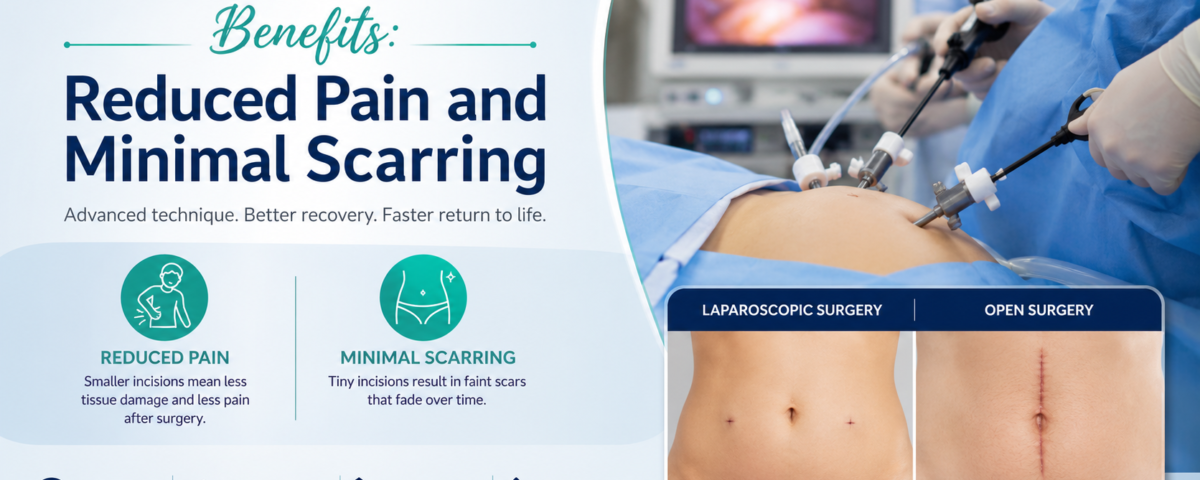
The laparoscopic surgery benefits have transformed modern surgical care by offering patients safer procedures, faster healing, and improved cosmetic outcomes. Unlike traditional open surgery, minimally invasive techniques use small incisions, resulting in less trauma to the body and a quicker return to normal life. This approach has become the preferred choice for many abdominal and diagnostic procedures worldwide.
Laparoscopic Surgery Benefits: What You Should Know
Understanding laparoscopic surgery benefits properly, rather than relying on assumptions, is what actually keeps people safe and helps them get the right care at the right time. The World Health Organization publishes guidance on this topic that supports the approach we follow at TrustMed Hospital.
Understanding laparoscopic surgery benefits in modern medicine
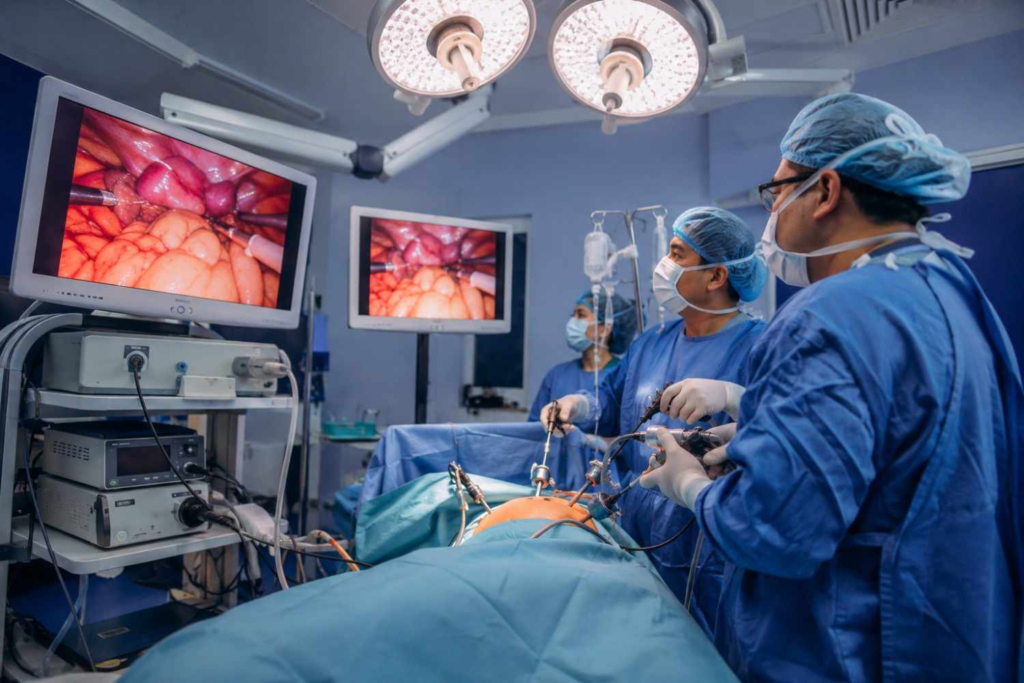
The laparoscopic surgery benefits in today’s healthcare system go beyond just smaller cuts. Surgeons use a high-definition camera and specialized instruments inserted through tiny incisions, allowing precise internal visualization without large surgical openings. This technique significantly reduces tissue damage, lowers infection risk, and shortens hospital stays.
Patients often experience quicker mobility after surgery, which helps prevent complications like blood clots and respiratory issues. The approach is widely used in gallbladder removal, appendix surgery, hernia repair, and gynecological procedures. The focus is on precision, safety, and patient comfort, making it a cornerstone of minimally invasive surgery.
One of the most important aspects of laparoscopic surgery is reduced postoperative discomfort. Since muscles and tissues are not widely cut, pain levels are generally lower, and recovery requires fewer pain medications. This improves patient experience and reduces dependency on strong analgesics.
Key advantages in pain reduction and cosmetic outcomes
The most noticeable advantage for patients is reduced pain and minimal scarring. Small incisions heal faster and leave almost invisible marks compared to traditional open surgery. This not only improves physical recovery but also boosts emotional well-being and confidence after surgery.
Another critical advantage is lower blood loss during procedures. Because surgeons operate through controlled micro-incisions, internal exposure is minimized. This leads to fewer complications and a more stable recovery process. The laparoscopic surgery benefits also extend to reduced risk of wound infections, making it safer for patients with diabetes or other chronic conditions.
From a cosmetic standpoint, patients increasingly prefer this approach, especially in elective surgeries. Minimal scarring is particularly important for younger patients and those undergoing procedures in visible body areas.
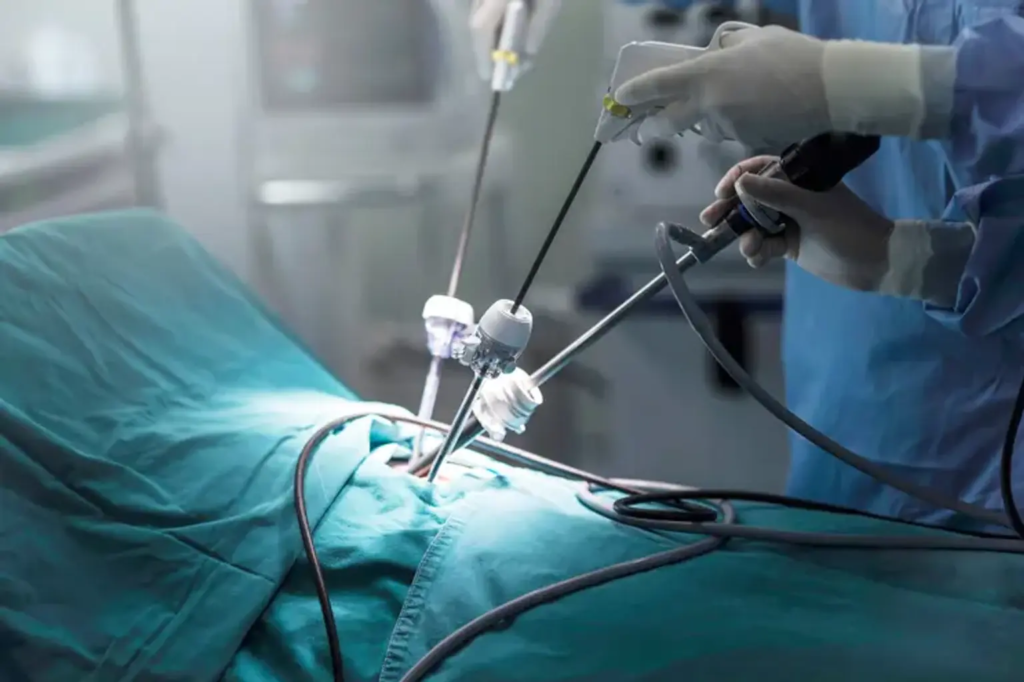
Comparison of surgical approaches
| Feature | Laparoscopic Surgery | Open Surgery |
| Incision size | Small (0.5–1.5 cm) | Large (6–12 cm or more) |
| Pain level | Low | Moderate to high |
| Recovery time | Faster return to daily life | Longer healing period |
| Scarring | Minimal | Visible scars |
| Infection risk | Lower | Higher |
| Hospital stay | Short | Extended |
This comparison highlights why modern healthcare systems increasingly prefer minimally invasive procedures. Patients recover faster, experience less discomfort, and resume normal activities earlier, making it a highly efficient surgical option.
Faster recovery and post-surgery healing
The laparoscopic surgery benefits also include a significantly faster recovery timeline. Most patients can walk within hours after surgery and return to light activities within a few days, depending on the procedure. This is due to reduced tissue trauma and improved surgical precision.
Early mobilization plays a key role in preventing complications such as deep vein thrombosis and post-operative lung infections. Doctors often encourage patients to resume normal movement as soon as possible to enhance healing outcomes. A balanced diet, hydration, and light activity further support recovery.
For patients researching medical options, understanding how laparoscopic surgery helps with faster recovery is essential when comparing surgical techniques and setting realistic expectations.
Safety, risks, and medical considerations
While the laparoscopic surgery benefits are significant, it is still a surgical procedure and carries certain risks. These may include minor bleeding, infection, or complications related to anesthesia. However, such risks are generally lower compared to open surgery when performed by experienced surgeons.
Not all patients are suitable candidates for laparoscopic procedures. Individuals with complex abdominal conditions or extensive internal scarring may require alternative approaches. A thorough medical evaluation is essential before deciding on the surgical method.
It is also important to choose a qualified surgical team and a well-equipped facility to ensure optimal outcomes. Expertise and advanced technology play a major role in reducing complications and improving success rates.
Choosing the right hospital for treatment
Selecting the right healthcare facility is crucial for achieving the best outcomes. Many patients search for specialized centers like a general surgery hospital in badshahpur gurgaon to ensure access to experienced surgeons and modern laparoscopic equipment. A well-established hospital provides pre-operative assessment, advanced imaging, and post-operative care under one roof, improving overall treatment efficiency.
Patients should look for hospitals with trained laparoscopic surgeons, emergency support systems, and positive patient recovery records. Transparent consultation and clear communication about risks and expectations are also signs of a trustworthy medical institution.
When laparoscopic surgery is preferred
In many cases, surgeons recommend minimally invasive techniques because of their efficiency and patient comfort. Conditions such as gallstones, appendicitis, hernias, and certain gastrointestinal disorders are commonly treated using this method.
When evaluating options, many patients ask about laparoscopic surgery vs open surgery: which option is better? In most standard cases, laparoscopic methods are preferred due to reduced pain, quicker recovery, and better cosmetic outcomes. However, the final decision depends on individual medical conditions and the surgeon’s recommendation.
The laparoscopic surgery benefits continue to expand as medical technology advances, making procedures safer and more accessible. Hospitals now integrate robotic assistance and enhanced imaging systems to further improve surgical precision.
Practical tips for better recovery outcomes
To maximize healing, patients should follow all post-operative instructions carefully. Light walking, proper wound care, and avoiding heavy lifting during the initial recovery phase are essential. Staying hydrated and maintaining a balanced diet support tissue repair and energy levels.
Regular follow-ups with the surgeon help monitor healing progress and detect any early complications. Patients should also report unusual symptoms such as persistent pain or fever immediately to ensure timely intervention.
Conclusion
The laparoscopic surgery benefits have redefined modern surgical care by prioritizing patient comfort, safety, and faster recovery. With minimal scarring, reduced pain, and shorter hospital stays, it offers a highly effective alternative to traditional open surgery. As medical technology continues to evolve, minimally invasive procedures are expected to become even more precise and widely accessible. Patients who understand their options and consult experienced surgeons can make informed decisions that lead to better long-term health outcomes.