First Aid for Accident Victims: Essential Emergency Care Steps Guide

Gynecologist Advice for Severe Period Pain and Heavy Bleeding
June 6, 2026
Why a Ventilator Is Important: How It Saves Lives in Emergencies
June 13, 2026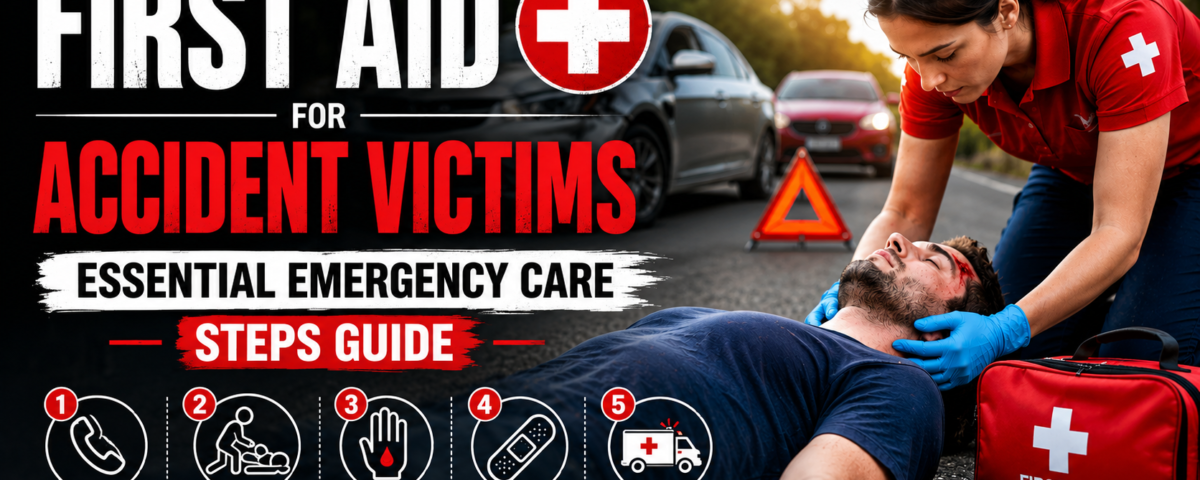
Accidents can happen anytime, whether on the road, at home, in the workplace, or during outdoor activities. Knowing First Aid for Accident Victims can make a critical difference in the minutes before professional medical help arrives. Immediate and informed action can reduce complications, prevent further injury, and even save lives.
Many people search for what to do after an accident because emergencies often create panic and confusion. This guide explains the essential steps to take, from assessing the scene to providing life-saving support while waiting for emergency responders.
First Aid for Accident Victims: What You Should Know
Understanding first aid for accident victims properly, rather than relying on assumptions, is what actually keeps people safe and helps them get the right care at the right time. The World Health Organization publishes guidance on this topic that supports the approach we follow at TrustMed Hospital.
Why First Aid Matters in Emergency Situations
Providing prompt care after an accident helps stabilise the injured person and minimises the risk of worsening injuries. Effective First aid for accident victims focuses on preserving life, preventing additional harm, and promoting recovery.
The first few minutes following an accident are often called the “golden minutes” because timely intervention can significantly improve outcomes. Understanding what to do after an accident allows bystanders to act confidently and responsibly.
First Aid for Accident Victims: Assess the Scene First
Before approaching an injured person, ensure the area is safe. Look for hazards such as fire, traffic, electrical dangers, chemical spills, or unstable structures. Your safety is the priority because you cannot help others if you become injured yourself.
When providing First Aid for Accident Victims, follow these initial actions:
- Check the environment for immediate dangers.
- Call emergency services as soon as possible.
- Assess the victim’s responsiveness.
- Determine whether the person is breathing normally.
- Avoid moving the victim unless there is an immediate threat.
After administering immediate first aid, seek professional medical assistance from an Emergency Care Hospital in Badshahpur Gurgaon to ensure the victim receives timely evaluation and advanced treatment. These steps are a vital part of Emergency injury treatment and help create a safer environment for both the rescuer and the injured individual.
First Aid for Accident Victims: Immediate Actions to Take
One of the most important aspects of what to do after an accident is staying calm. Panic can lead to poor decisions and delayed care.
Speak to the victim in a reassuring voice and check for signs of consciousness. If the person responds, ask simple questions about pain, breathing difficulties, or visible injuries. If the victim is unconscious but breathing, place them in the recovery position if no spinal injury is suspected.
Providing First Aid for Accident Victims also involves monitoring the victim continuously until professional help arrives. Changes in breathing, alertness, or skin colour may indicate a worsening condition that requires urgent attention.
For websites covering health and safety topics, this section can naturally link to related resources about emergency preparedness and injury prevention.
Managing Severe Bleeding Effectively
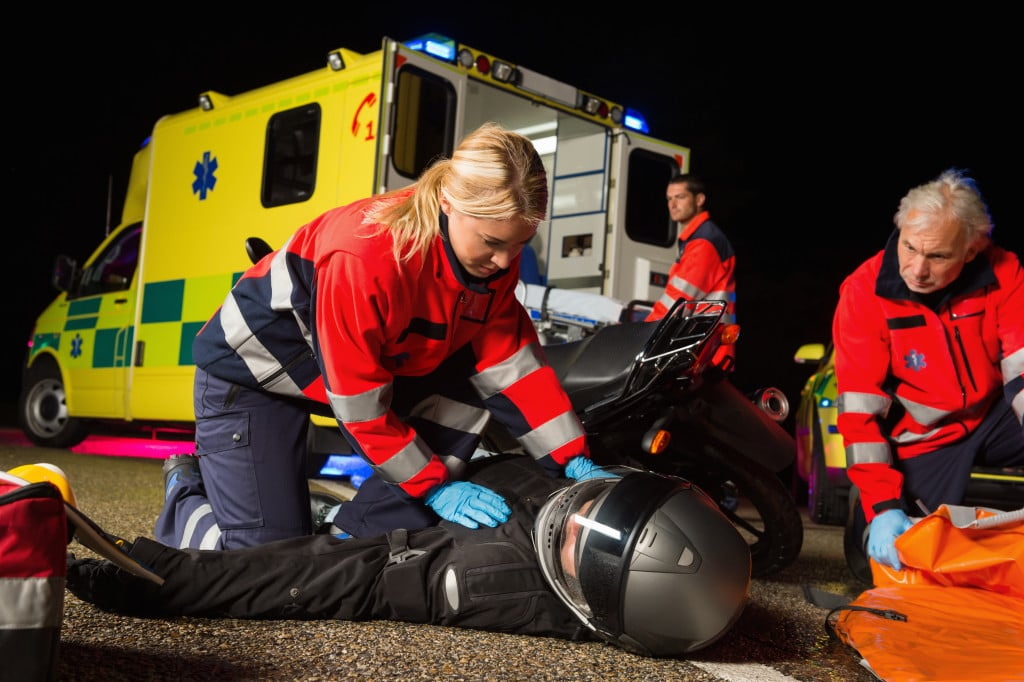
Uncontrolled bleeding is one of the most serious emergencies. Understanding how to stop bleeding quickly can prevent shock and improve survival chances.
The basic approach to stopping bleeding is to apply firm, direct pressure to the wound with a clean cloth, sterile dressing, or bandage. If blood soaks through, add another layer instead of removing the original dressing.
First Aid for Accident Victims: How to Stop Bleeding Safely
When performing First Aid for Accident Victims, elevate the injured area if appropriate and continue applying pressure until help arrives. For severe bleeding that cannot be controlled with direct pressure, trained responders may use a tourniquet according to current emergency guidelines.
Knowing how to stop bleeding is a core component of Emergency injury treatment, especially in traffic accidents, workplace incidents, and sports injuries. The faster bleeding is controlled, the better the chances of preventing serious complications.
Recognising When CPR Is Needed
Cardiac arrest can occur following severe trauma, drowning, electrocution, or other serious accidents. In these situations, understanding CPR steps for beginners can help maintain blood circulation until emergency medical professionals take over.
First Aid for Accident Victims: Basic CPR Guidance
If the victim is unresponsive and not breathing normally, call emergency services immediately and begin CPR. The recommended CPR steps for beginners include placing your hands in the centre of the chest and delivering firm, rapid compressions at a consistent rhythm.
Modern CPR steps for beginners emphasise continuous chest compressions when rescue breaths are not possible. If an automated external defibrillator (AED) is available, follow the device’s voice instructions carefully.
Learning CPR steps for beginners through a certified training program is strongly recommended because hands-on practice improves confidence and effectiveness during real emergencies.
Common Injuries and Emergency Response
Accident victims may experience fractures, burns, head injuries, sprains, or shock. Appropriate Emergency injury treatment depends on the type and severity of the injury.
For suspected fractures, keep the injured area as still as possible. For burns, cool the affected area with clean running water and avoid applying ice directly to the skin. Head injuries should always be taken seriously, especially when symptoms such as confusion, vomiting, or loss of consciousness occur.
Proper first aid for accident victims involves observation as well as action. Even when injuries appear minor, symptoms can develop later and require medical evaluation. Effective Emergency injury treatment often includes monitoring the victim until professional care is available.
Preventing Further Harm While Waiting for Help
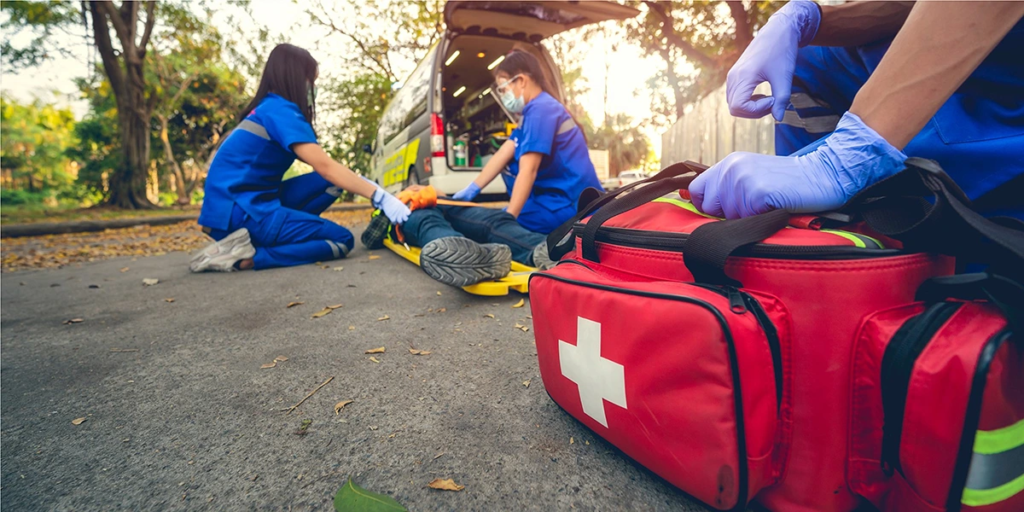
Another essential part of what to do after an accident is preventing secondary injuries. Keep the victim warm, comfortable, and reassured. Avoid giving food or drink to someone who may require surgery or medical procedures.
Good communication is equally important. Inform emergency responders about what happened, the victim’s symptoms, and any care already provided. This information supports faster and more effective Emergency injury treatment.
In many situations, First aid for accident victims is not only about physical care but also emotional support. Calm reassurance can reduce anxiety and help the injured person remain cooperative while awaiting professional assistance.
Conclusion
Understanding First Aid for Accident Victims equips individuals with practical skills that can save lives during critical moments. From assessing danger and knowing how to stop bleeding to applying CPR steps for beginners and delivering appropriate care, every action matters.
In serious situations, seeking immediate treatment from a Hospital in Badshahpur Gurgaon can ensure accident victims receive timely medical attention and advanced care when needed.
When you know what to do after an accident, you can respond with confidence, provide immediate assistance, and support better outcomes until professional medical help arrives.
Ultimately, First Aid for Accident Victims remains one of the most valuable emergency preparedness skills anyone can learn.