Role of ICU in Critical Care: Life-Saving Support for Patients

Prevention of Malaria: Important Symptoms and Prevention
May 19, 2026
Understanding the Importance of Ventilators in Modern Medicine
May 30, 2026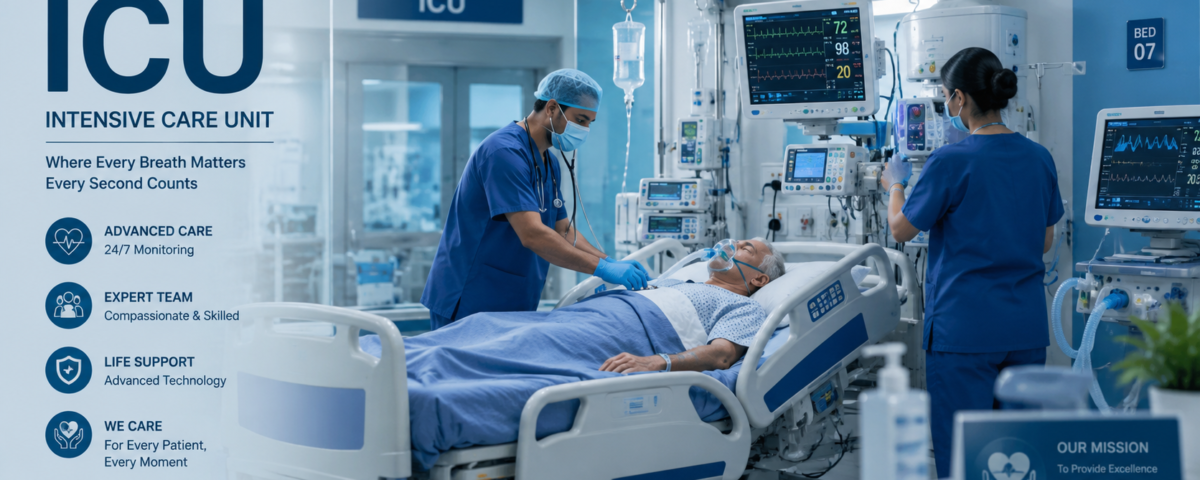
Modern healthcare depends heavily on advanced monitoring, rapid response, and specialized treatment for critically ill patients. The Role of ICU has become more important than ever because it provides continuous observation and immediate medical intervention for patients facing severe health complications.
Whether a patient is recovering from major surgery, suffering from organ failure, or battling a life-threatening infection, intensive medical supervision can significantly improve survival rates and recovery outcomes.
Families often search for reliable healthcare facilities that offer specialized emergency and intensive services. Choosing the right ICU Hospital in Badshahpur Gurgaon can make a major difference when urgent medical attention is required.
A well-equipped hospital with trained specialists, advanced monitoring technology, and round-the-clock support ensures patients receive timely treatment during critical situations.
Role of ICU: What You Should Know
Understanding role of icu properly, rather than relying on assumptions, is what actually keeps people safe and helps them get the right care at the right time. The World Health Organization publishes guidance on this topic that supports the approach we follow at TrustMed Hospital.
Understanding the ICU and Its Importance
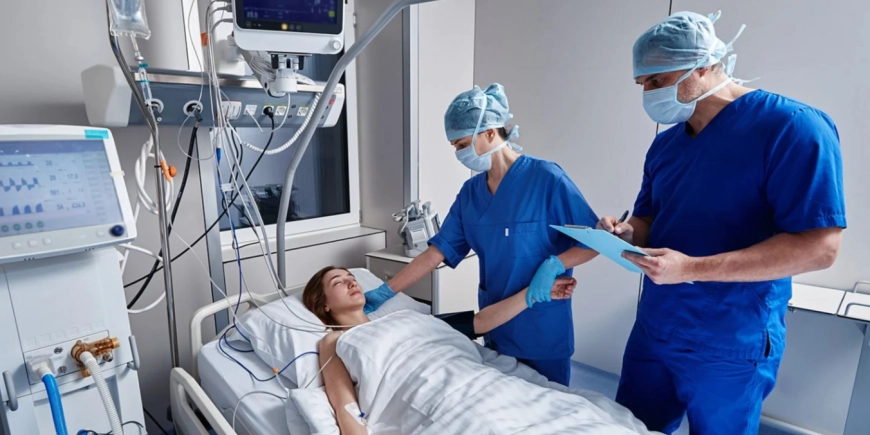
An Intensive Care Unit is a specialized department in a hospital designed for patients with severe illnesses or injuries that require constant monitoring and advanced medical attention. The Role of ICU goes beyond standard hospitalization because it focuses on stabilizing patients who need immediate and ongoing support.
A modern critical care unit is equipped with advanced diagnostic tools, ventilators, cardiac monitors, infusion pumps, and highly trained medical teams. Doctors, nurses, respiratory therapists, and specialists work together to deliver coordinated treatment plans for patients with complex medical conditions.
Patients admitted to a critical care unit may include those recovering from cardiac arrest, severe trauma, stroke, sepsis, respiratory failure, or complicated surgeries. These facilities are designed to provide a controlled environment where rapid decisions can be made to prevent complications.
How ICU Supports Life-Saving Treatment
The Role of ICU becomes essential when a patient’s vital organs are unable to function properly without medical support. In these situations, healthcare professionals use advanced technologies and close monitoring to manage breathing, blood circulation, oxygen levels, and neurological responses.
One of the biggest advantages of a specialized ICU is access to continuous intensive care treatment. Patients receive personalized medical attention based on their condition, helping doctors quickly identify changes in health status and respond immediately.
For example, critically ill patients with respiratory complications may require ventilators and advanced oxygen therapy. Others with heart conditions may need continuous cardiac monitoring and medication adjustments.
Effective intensive care treatment reduces the risk of complications and improves the chances of recovery.
Key Services Offered in an ICU
A high-functioning ICU provides a wide range of specialized services that help stabilize critically ill patients. The Role of ICU includes delivering advanced support systems that can sustain organ function while the underlying medical condition is treated.
Advanced Monitoring and Rapid Response
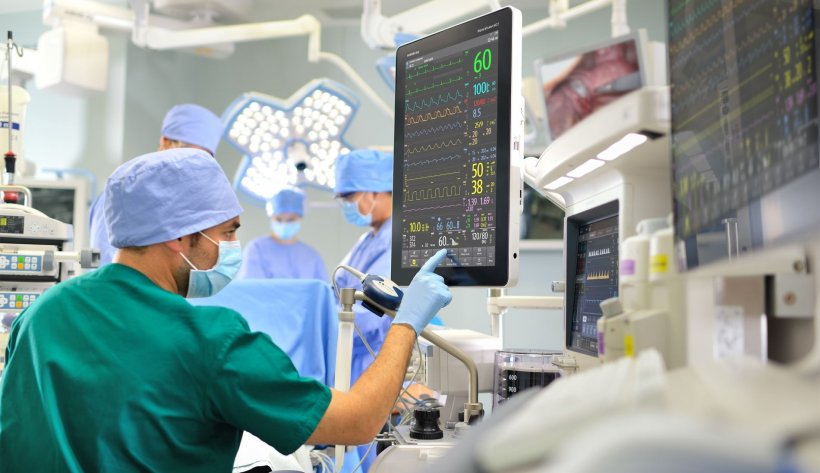
Continuous monitoring allows doctors and nurses to track blood pressure, heart rate, oxygen saturation, and neurological activity in real time. In a busy critical care unit, even small changes in patient condition are identified quickly, enabling immediate medical action.
Ventilator and Respiratory Support
Patients experiencing breathing difficulties often require mechanical ventilation. Modern ICUs use sophisticated life support systems to maintain oxygen flow and reduce strain on weakened lungs.
Cardiac and Organ Support
Many critically ill patients experience heart, kidney, or liver complications. The Role of ICU includes managing these conditions through dialysis, medication management, and advanced cardiac support.
Infection Control and Emergency Procedures
Strict infection control practices are followed inside every critical care unit to reduce the spread of bacteria and viruses. Emergency procedures are also performed rapidly to stabilize patients during sudden health declines.
The Role of Medical Teams in ICU Care
An ICU operates efficiently because of multidisciplinary teamwork. The Role of ICU is strengthened by experienced doctors, intensivists, critical care nurses, respiratory therapists, and rehabilitation experts working together.
Healthcare teams provide continuous emergency medical care for patients who require immediate attention. Nurses closely monitor patient responses to medications, while specialists evaluate organ function and treatment progress throughout the day.
In addition to medical expertise, ICU professionals also support families by explaining treatment plans, recovery expectations, and potential risks. This communication builds trust and helps families make informed decisions during stressful situations.
Conditions Commonly Treated in the ICU
The ICU handles a broad range of life-threatening conditions that require specialized intervention. Patients admitted for intensive care treatment often face serious complications that cannot be managed in a standard hospital room.
Common conditions treated in the ICU include:
- Severe infections and sepsis
- Respiratory failure and pneumonia
- Heart attack and cardiac arrest
- Stroke and neurological emergencies
- Major trauma and accident injuries
- Organ failure and post-surgical complications
During these situations, advanced life support systems help stabilize patients while doctors address the root cause of illness. Quick intervention combined with specialized monitoring often improves survival outcomes.
Why Timely ICU Admission Matters
Delayed medical intervention can increase the risk of complications in critically ill patients. The Role of ICU becomes especially important during the first few hours of a medical emergency because early stabilization improves the chances of successful recovery.
Patients who receive prompt emergency medical care are more likely to avoid severe organ damage and long-term complications. Fast access to specialized doctors and ICU technology ensures that emergency cases are managed without delay.
Early admission also allows healthcare providers to monitor symptoms continuously and adjust treatment plans without delay.
Families should watch for warning signs such as severe breathing difficulty, sudden unconsciousness, chest pain, seizures, or dangerously low oxygen levels. Seeking immediate medical help during these situations can save lives.
Technology and Innovation in Modern ICUs
Technological advancements have transformed modern critical care services. The Role of ICU now includes the use of artificial intelligence-based monitoring systems, advanced imaging technology, and digital patient tracking tools.
These innovations improve the accuracy of intensive care treatment by helping healthcare teams detect complications earlier.
Smart monitoring devices can identify abnormal heart rhythms, changes in oxygen saturation, and sudden blood pressure fluctuations in real time.
Modern ICUs also rely on advanced life support systems that improve patient stability during severe illness. Ventilators, dialysis equipment, and infusion technologies help maintain essential body functions while recovery progresses.
Practical Tips for Families of ICU Patients
Families often feel overwhelmed when a loved one is admitted to intensive care. Understanding the ICU process can help reduce anxiety and improve communication with healthcare teams.
Quick Takeaways for Families
- Stay informed about the patient’s treatment plan and daily progress.
- Ask doctors about medications, procedures, and expected recovery timelines.
- Follow infection control guidelines during hospital visits.
- Maintain a list of emergency contacts and medical records.
- Focus on emotional support and patient encouragement.
Hospitals providing specialized emergency medical care usually have trained counselors and support staff to guide families through difficult decisions. Reliable emergency departments also coordinate quickly with ICU teams to provide uninterrupted emergency medical care during critical situations. Clear communication with doctors can also help families better understand treatment goals and recovery expectations.
Recovery and Rehabilitation After ICU Care
Recovery after a critical illness may continue long after ICU discharge. Patients who spend extended periods in a critical care unit may require rehabilitation for muscle weakness, breathing difficulties, or cognitive challenges.
Post-ICU recovery plans often include physiotherapy, nutritional guidance, mental health support, and follow-up consultations. Continued monitoring ensures that patients regain strength safely and avoid complications after discharge.
In many cases, healthcare providers recommend long-term observation and specialized therapies after intensive care treatment. This comprehensive approach supports both physical and emotional recovery.
Final Thoughts
The Role of ICU in modern healthcare is essential for protecting patients during life-threatening medical situations. From advanced monitoring to emergency intervention and organ support, ICU services provide critical assistance when every second matters.
Hospitals equipped with experienced specialists, advanced life support systems, and rapid-response teams play a major role in improving survival rates and patient outcomes. Whether dealing with trauma, severe infection, or post-surgical complications, timely ICU care can significantly increase the chances of recovery.
When choosing a trusted Hospital in Badshahpur Gurgaon, families should prioritize facilities that offer experienced critical care teams, advanced technology, and round-the-clock medical support.
Access to quality ICU services ensures patients receive expert treatment during the most challenging moments of their healthcare journey.