Understanding ICU Care: What Patients and Families Should Know

Understanding the Importance of Ventilators in Modern Medicine
May 30, 2026
Gynecologist Advice for Severe Period Pain and Heavy Bleeding
June 6, 2026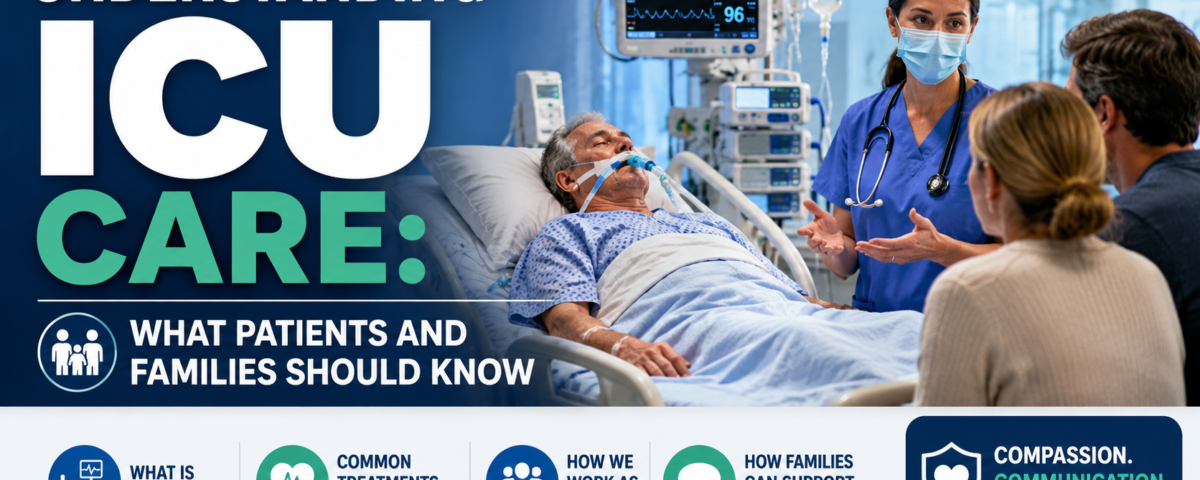
When a loved one is admitted to an Intensive Care Unit (ICU), it can be an overwhelming and emotional experience. The unfamiliar environment, advanced medical equipment, and uncertainty surrounding a patient’s condition often leave families with many questions. Understanding how ICU care works can help reduce anxiety and enable patients and their families to make informed decisions during critical situations.
This guide explains everything you need to know about ICU care, including its purpose, treatment process, patient monitoring, and how families can support recovery.
Icu care: What You Should Know
Understanding icu care properly, rather than relying on assumptions, is what actually keeps people safe and helps them get the right care at the right time. The World Health Organization publishes guidance on this topic that supports the approach we follow at TrustMed Hospital.
What Is an ICU?
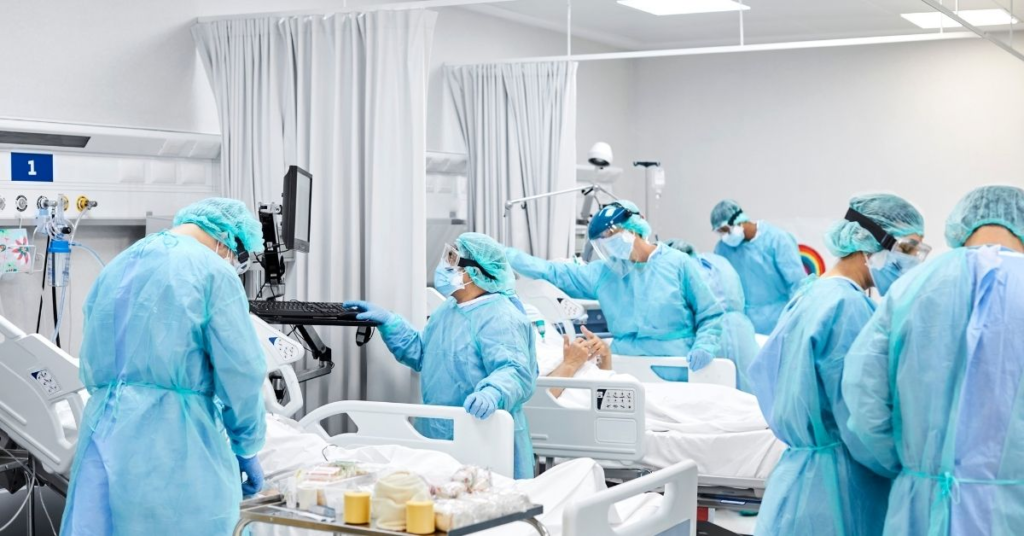
An Intensive Care Unit (ICU) is a specialized department within a hospital that provides round-the-clock care for patients with severe illnesses, life-threatening injuries, or complex medical conditions. ICUs are equipped with advanced technology and staffed by highly trained healthcare professionals who continuously monitor patients and respond quickly to any changes in their condition.
Patients admitted to the ICU often require specialized interventions such as mechanical ventilation, advanced cardiac monitoring, intravenous medications, or support for multiple organ systems.
Why Are Patients Admitted to the ICU?
Patients may require ICU admission for various reasons, including:
- Severe infections or sepsis
- Heart attacks and cardiac emergencies
- Stroke or neurological conditions
- Major trauma and accidents
- Respiratory failure
- Post-operative monitoring after complex surgeries
- Organ failure
- Severe burns
- Critical complications from chronic diseases
The primary goal of ICU care is to stabilize patients, manage life-threatening conditions, and support recovery until they can safely move to a general hospital ward.
The Role of ICU in Critical Care
The Role of ICU in Critical Care extends beyond emergency treatment. ICU teams focus on intensive monitoring, rapid intervention, and comprehensive support for patients facing serious health challenges.
Critical care specialists continuously assess vital signs, oxygen levels, heart function, and neurological status to detect changes before they become life-threatening. This proactive approach significantly improves patient outcomes and survival rates.
Modern ICUs also emphasize multidisciplinary care, where doctors, nurses, respiratory therapists, pharmacists, nutritionists, and rehabilitation specialists work together to create personalized treatment plans.
What Happens Inside the ICU?
Many families are surprised by the highly structured environment of an ICU. Every aspect of patient care is carefully managed to ensure safety and optimize recovery.
Continuous Monitoring
Patients are connected to monitoring devices that track:
- Heart rate
- Blood pressure
- Oxygen saturation
- Respiratory rate
- Temperature
These systems provide real-time information to healthcare teams and allow immediate intervention when necessary.
Advanced Medical Equipment
Depending on the patient’s condition, ICU care may involve:
- Ventilators for breathing support
- Dialysis machines for kidney failure
- Infusion pumps for medication delivery
- Cardiac monitoring systems
- Feeding tubes and nutritional support devices
While the equipment may appear intimidating, each device plays a critical role in supporting patient recovery.
Specialized Medical Teams
ICU patients benefit from care delivered by:
- Intensivists (critical care physicians)
- Specialized ICU nurses
- Respiratory therapists
- Pharmacists
- Physical therapists
- Nutrition experts
This collaborative approach ensures every aspect of a patient’s condition is addressed promptly and effectively.
What Families Should Expect During an ICU Stay
An ICU admission can be emotionally demanding for family members. Understanding what to expect can help reduce uncertainty.
Limited Visiting Hours
Many ICUs have controlled visitation policies to minimize infection risks and allow patients adequate rest. Some hospitals may permit extended visitation for immediate family members, particularly in critical situations.
Frequent Updates
Healthcare providers typically communicate regularly with designated family members regarding:
- Patient condition
- Treatment progress
- Test results
- Care plans
- Expected recovery milestones
Families should feel comfortable asking questions and requesting clarification whenever needed.
Changes in Patient Appearance
Patients in the ICU may appear different due to medical equipment, medications, swelling, or reduced consciousness. These changes can be alarming but are often a normal part of critical care treatment.
Common ICU Treatments and Procedures
Several specialized treatments may be provided depending on the patient’s condition.
Mechanical Ventilation
Patients experiencing breathing difficulties may require a ventilator to support oxygen delivery and carbon dioxide removal.
Intravenous Medications
Many ICU medications are administered directly into the bloodstream for rapid and precise effects.
Sedation and Pain Management
Some patients require sedation to remain comfortable during treatment or while connected to life-support equipment.
Infection Management
Antibiotics and strict infection-control protocols are essential components of ICU care, particularly for patients with weakened immune systems.

How Families Can Support a Loved One in the ICU
Although medical professionals manage treatment, family involvement remains valuable.
Communicate Positively
Even unconscious patients may respond to familiar voices. Speaking calmly and reassuringly can provide emotional comfort.
Stay Informed
Keep track of medical updates, ask questions, and understand treatment goals. Maintaining clear communication with the healthcare team helps families participate in decision-making.
Take Care of Yourself
Family caregivers often experience emotional exhaustion during prolonged ICU stays. Adequate sleep, nutrition, and support from friends and relatives are important for maintaining resilience.
Respect ICU Guidelines
Following visitation rules, hygiene protocols, and staff instructions contributes to patient safety and recovery.
Understanding ICU Recovery
Recovery from a critical illness often continues long after a patient leaves the ICU.
Some patients may experience:
- Muscle weakness
- Fatigue
- Memory difficulties
- Emotional stress
- Anxiety or depression
Rehabilitation programs, physical therapy, and follow-up care play important roles in helping patients regain independence and improve their quality of life.
Transition from ICU to General Ward
Once a patient’s condition stabilizes and intensive monitoring is no longer necessary, they are transferred to a regular hospital room. This step is generally viewed as positive progress in the recovery journey.
Families should understand that transfer does not always mean complete recovery; ongoing treatment and observation may still be required.
Questions Families Should Ask the ICU Team
Being informed helps families participate effectively in care decisions. Consider asking:
- What is the patient’s current condition?
- What treatments are being provided?
- What improvements or concerns should we expect?
- What are the short-term and long-term goals?
- What can we do to support recovery?
- Are there any potential complications we should know about?
Maintaining open communication fosters trust and helps families better understand the care process.
Choosing the Right Hospital for Critical Care
When evaluating healthcare facilities, it’s important to consider factors such as:
- Availability of advanced ICU technology
- Experienced critical care specialists
- Nurse-to-patient ratios
- Emergency response capabilities
- Multidisciplinary treatment approach
- Infection prevention protocols
Patients seeking an ICU Hospital in Badshahpur Gurgaon should look for facilities with comprehensive critical care services, modern infrastructure, and experienced intensivists capable of managing complex medical emergencies.
Similarly, choosing a trusted Hospital in Badshahpur Gurgaon, with a strong reputation for emergency and critical care can significantly impact patient outcomes during serious health events.
Final Thoughts
Understanding ICU care empowers patients and families to navigate critical medical situations with greater confidence. While an ICU stay can be challenging, these specialized units are designed to provide the highest level of medical support when patients need it most.
By learning about ICU procedures, treatment approaches, and recovery expectations, families can become informed partners in the care journey. Open communication, emotional support, and trust in the healthcare team are essential components of successful critical care and recovery.
For anyone facing a serious illness or medical emergency, knowing what to expect in the ICU can help reduce uncertainty and provide reassurance during a difficult time.