In this article
Cashless hospitalisation lets your insurer pay the hospital directly, so you do not have to arrange the full amount at admission. It works smoothly when you know the steps and keep the right documents ready. This guide explains how the process generally works for patients in Maruti Kunj and across Gurugram. Rules differ between insurers and policies, so always confirm the details of your own policy with the insurer or the hospital's insurance desk.
What Cashless Treatment Means
With cashless treatment, the hospital sends a request to your insurer or its third-party administrator (TPA). Once the insurer approves it, the approved amount is settled between the insurer and the hospital. You still pay for anything the policy does not cover, such as non-payable items, amounts above your sum insured and any co-payment.
Cashless Is Only for Network Hospitals
Cashless treatment is available only at hospitals that your insurer has in its network. Treatment at a non-network hospital is usually handled through reimbursement, where you pay first and claim later. Before you need admission, check whether your hospital is in your insurer's network. Our insurance page lists the insurers we work with, and the insurance desk can confirm your policy.
Planned Admission: Step by Step
- 1Check your policy. Know your sum insured, room rent limit, waiting periods, co-payment and any sub-limits for the treatment you need.
- 2Consult the doctor. The doctor advises the treatment and an estimated stay. Book a consultation with the relevant department.
- 3Request pre-authorisation. The hospital's insurance desk submits the pre-authorisation form with your doctor's advice and diagnosis. Insurers generally ask for this some days before a planned admission.
- 4Wait for approval. The insurer may approve in full, approve a lower amount or ask for more information.
- 5Get admitted. Carry your health card and ID. Sign the documents carefully and keep copies.
- 6During the stay. If treatment or costs change, the hospital may need to request an enhancement of the approved amount.
- 7Discharge. The final bill is submitted to the insurer. You pay the items not covered, and keep copies of the discharge summary and bills.
Emergency Admission
In an emergency, treatment comes first. Most policies expect you to inform the insurer within a short window after admission, commonly within 24 to 48 hours, so the cashless request can be made. Do not delay emergency care to deal with paperwork; the hospital's team can help you with the formalities once the patient is stable. Trustmed Hospital's emergency care is open 24/7.
Documents to Keep Ready
- Health insurance card or e-card and policy number
- Government photo ID of the patient
- Doctor's prescription or admission advice
- Previous medical reports, if relevant
- Contact details of the policyholder
- Any earlier claim reference numbers
Common Reasons Cashless Requests Are Delayed or Reduced
- Incomplete forms or missing documents.
- Waiting periods for pre-existing conditions or specific procedures.
- Room rent limits. Choosing a room above your limit can reduce other covered charges.
- Non-payable items, such as certain consumables, which insurers do not reimburse.
- Treatment not covered by the policy, such as some cosmetic procedures.
- Policy lapse or an unpaid premium.
Tips to Avoid Problems
- Read your policy before you need it, especially exclusions, waiting periods and room rent limits.
- Ask the hospital for a written estimate and for which items are likely non-payable.
- Keep the insurer's helpline number and your policy number saved on your phone.
- Keep copies of every document, bill and approval letter.
- If a cashless request is rejected, ask for the reason in writing. You can still pay and file a reimbursement claim.
Frequently Asked Questions
Talk to a specialist at Trustmed Hospital
If anything in this article sounds familiar, an early consultation is the simplest next step.
Hospital near Maruti Kunj, Gurugram
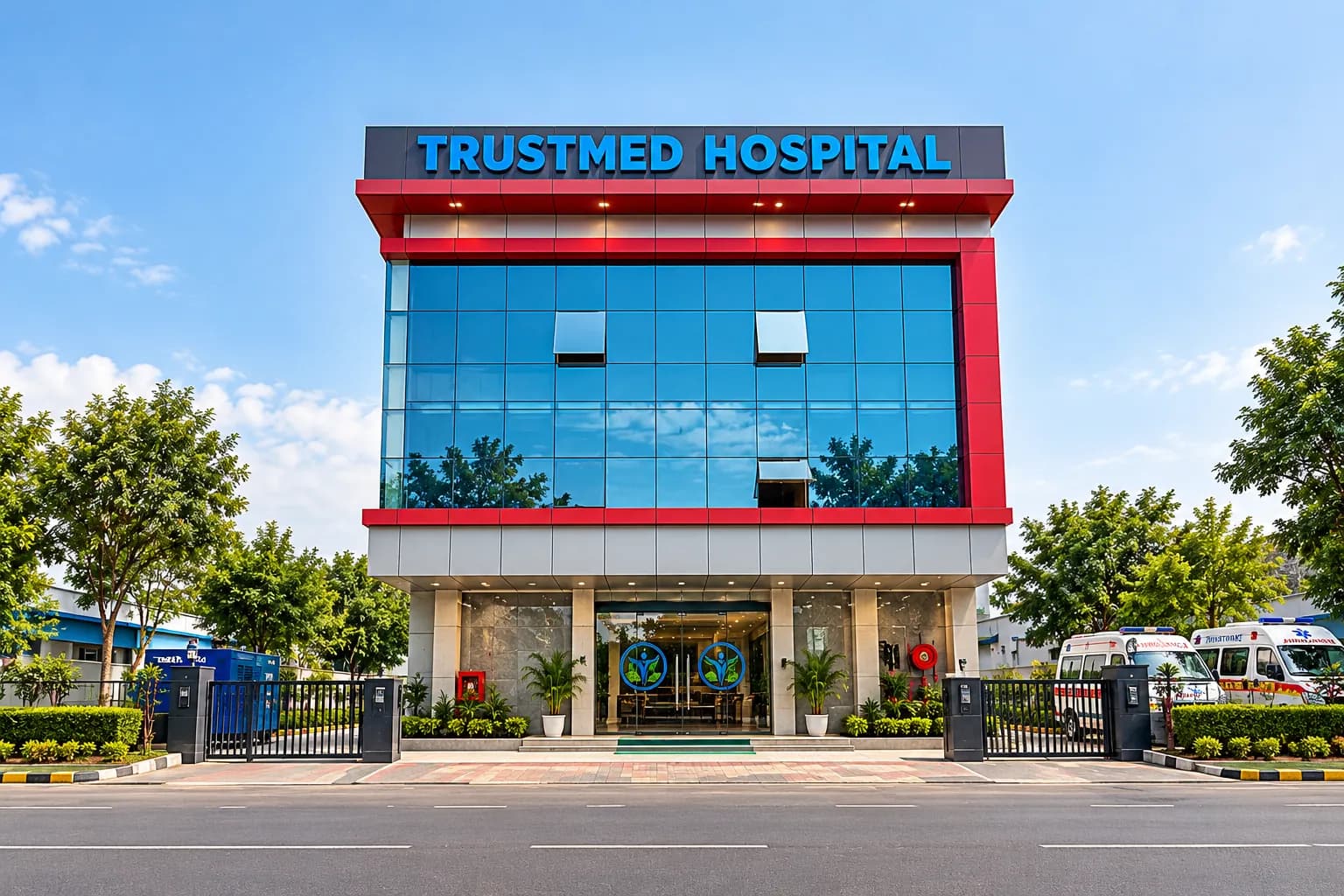
Looking for a hospital near Maruti Kunj? Trustmed Hospital is in Maruti Kunj, on Badshahpur Sohna Road near Sector 67, with 24/7 emergency care. If this article raises a concern, you can consult our General Medicine Department team.
This article is for general information only and does not replace a medical consultation. Always speak with a qualified doctor about your specific symptoms, diagnosis, or treatment.
Back to Health & Wellness Blog