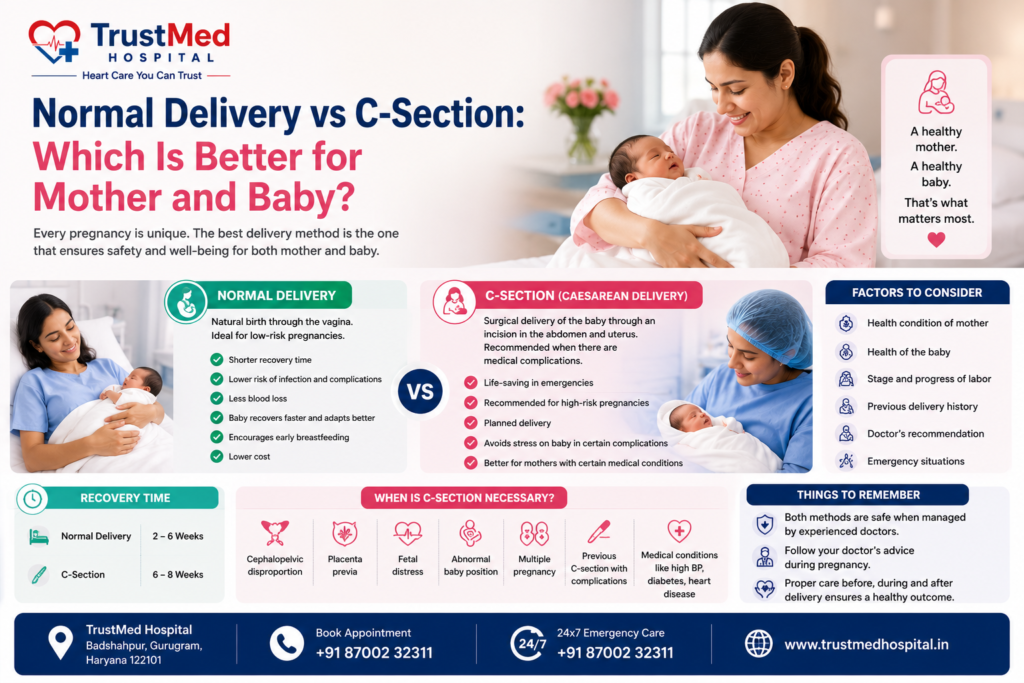
Understanding the Importance of Ventilators in Modern Medicine

Role of ICU in Critical Care: Life-Saving Support for Patients
May 26, 2026
Understanding ICU Care: What Patients and Families Should Know
June 4, 2026
Modern healthcare relies on advanced medical technologies to save lives, improve patient outcomes, and support recovery during severe illnesses. Among these technologies, ventilators play a vital role in helping patients who cannot breathe adequately on their own.
Understanding the Importance of ventilator systems is essential for patients, caregivers, and healthcare professionals because these devices are often the difference between life and death in critical situations.
A ventilator is a medical device that assists or completely takes over breathing when a patient’s lungs cannot function effectively. Whether used in emergency departments, intensive care units, or during complex surgical procedures, ventilators have become a cornerstone of modern medicine.
Importance of ventilator: What You Should Know
Understanding importance of ventilator properly, rather than relying on assumptions, is what actually keeps people safe and helps them get the right care at the right time. The World Health Organization publishes guidance on this topic that supports the approach we follow at TrustMed Hospital.
What Is a Ventilator and How Does It Work?
A ventilator is designed to move oxygen-rich air into the lungs and remove carbon dioxide from the body. It can be used for short-term support during surgery or long-term care for patients experiencing severe breathing difficulties.
The device delivers controlled airflow through a mask or breathing tube, ensuring that vital organs continue receiving oxygen. This process, commonly known as mechanical ventilation, is carefully monitored by trained healthcare professionals who adjust settings based on the patient’s condition.
Patients suffering from severe infections, lung diseases, trauma, or respiratory failure often require immediate ventilator support to stabilize their condition. By maintaining proper oxygen levels, ventilators help reduce the burden on weakened lungs and allow the body time to heal.
The Importance of a Ventilator in Critical Care
In intensive care settings, ventilators are among the most frequently used life-support devices. The Importance of Ventilators technology becomes particularly evident when patients are unable to breathe independently due to illness or injury.
Many critical illnesses can rapidly compromise lung function. Conditions such as pneumonia, acute respiratory distress syndrome (ARDS), sepsis, and severe asthma attacks may lead to respiratory failure, making immediate intervention necessary.
In such cases, ventilator support provides essential oxygen delivery while healthcare teams focus on treating the underlying disease.
Ventilators are also a fundamental component of critical care, enabling doctors to manage complex cases while continuously monitoring oxygen saturation, breathing patterns, and overall patient stability.
Common Medical Situations That Require Ventilators
Ventilators are used in a wide range of medical scenarios. During major surgeries involving general anesthesia, patients may temporarily receive mechanical ventilation because normal breathing can be suppressed during the procedure.
In emergency medicine, ventilators are often required for patients who experience severe trauma, neurological disorders, or sudden breathing complications. Individuals with advanced lung diseases may also require temporary or extended ventilator support during periods of deterioration.
Another common indication is respiratory failure, where the lungs cannot adequately exchange oxygen and carbon dioxide. Without prompt intervention, this condition can lead to organ damage and life-threatening complications.
Healthcare facilities that provide advanced critical care treatment ensure that ventilators are readily available to address these urgent medical needs.
Key Benefits Highlighting the Importance of a Ventilator
The Importance of Ventilators systems extends beyond simply assisting breathing. These devices provide multiple clinical benefits that significantly improve patient outcomes.
One of the most important advantages is the ability to maintain adequate oxygen levels during severe illness. By supporting lung function, ventilators reduce the risk of oxygen deprivation and protect vital organs such as the brain, heart, and kidneys.
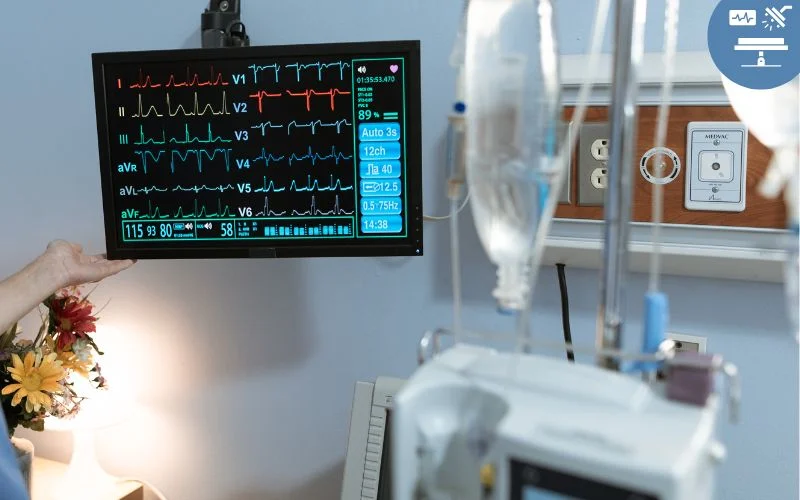
Ventilators also allow medical teams to optimize mechanical ventilation strategies according to each patient’s condition. Modern systems include sophisticated monitoring features that help clinicians adjust airflow, pressure, and oxygen concentration with precision.
In addition, ventilator support helps reduce the physical effort required for breathing. When the body is under significant stress from infection or injury, conserving energy can accelerate recovery and improve treatment effectiveness.
These benefits make ventilators an indispensable part of modern critical care treatment protocols worldwide.
Ventilators and Intensive Care Units
Intensive Care Units (ICUs) are designed to manage patients with life-threatening conditions that require continuous monitoring and specialized interventions. The Importance of Ventilators technology is particularly significant within ICU environments because many critically ill patients depend on assisted breathing.
The Role of ICU in Critical Care includes providing advanced monitoring, life-support systems, emergency interventions, and multidisciplinary care. Ventilators work alongside other critical technologies to ensure patients receive comprehensive treatment and round-the-clock observation.
For individuals seeking specialized healthcare services, choosing a well-equipped facility can make a substantial difference. An ICU Hospital in Badshahpur Gurgaon with experienced intensivists and advanced respiratory care infrastructure, can provide timely intervention for patients facing severe breathing complications.
Because ICU teams are specially trained in mechanical ventilation, they can respond quickly to changing patient conditions and adjust treatment plans accordingly.
How Modern Ventilator Technology Has Evolved
Ventilator technology has advanced significantly over the past few decades. Earlier systems offered limited functionality, while modern ventilators feature intelligent monitoring, automated adjustments, and enhanced patient safety mechanisms.
Today’s ventilators can support a wide range of patient needs, from newborn infants to elderly adults. They provide personalized mechanical ventilation modes that adapt to specific respiratory requirements and clinical goals.
Advanced sensors continuously measure airflow, pressure, and oxygen delivery, helping healthcare professionals make informed decisions. These innovations improve patient comfort, reduce complications, and increase the effectiveness of critical care treatment.
As healthcare continues to evolve, the ongoing development of ventilator technology remains essential for managing complex respiratory conditions and improving survival rates.
Importance of Ventilator During Public Health Emergencies
The Importance of Ventilators resources became especially visible during global health emergencies, when healthcare systems faced unprecedented demand for respiratory care.
During widespread outbreaks of severe respiratory illnesses, hospitals often encounter large numbers of patients experiencing respiratory failure. In such situations, access to timely ventilator support can be critical for maintaining oxygenation and preventing life-threatening complications.
Healthcare organizations around the world have since invested heavily in preparedness planning, equipment availability, and staff training to ensure effective responses to future emergencies. These efforts highlight how vital ventilators are in protecting public health and supporting healthcare resilience.
Practical Tips for Patients and Families
Understanding ventilator care can help reduce anxiety during hospitalization. Patients and caregivers should communicate openly with healthcare providers and ask questions about treatment goals, expected outcomes, and recovery plans.
Families should also understand that ventilators are often part of a broader critical care treatment strategy. The device supports breathing while medical teams address the root cause of illness or injury.
For those researching healthcare options, it can be helpful to explore related topics such as ICU services, respiratory care programs, emergency medicine capabilities, and post-intensive care recovery support. These internal content connections provide a more complete understanding of critical care services.

Quick Takeaways
Ventilators are essential medical devices that help patients breathe when normal lung function is compromised. They are used during surgeries, emergencies, severe infections, and other life-threatening conditions.
Through advanced mechanical ventilation techniques, healthcare professionals can maintain oxygen delivery, reduce complications, and improve recovery outcomes.
Patients experiencing respiratory failure often depend on timely intervention, while specialized ventilator support enables doctors to stabilize critical conditions and provide comprehensive medical care.
Conclusion
The Importance of Ventilator technology in modern medicine cannot be overstated. From supporting patients during surgery to saving lives in intensive care units and public health emergencies, ventilators remain one of the most valuable tools in healthcare.
As medical technology continues to advance, understanding the Importance of Ventilator systems helps patients and families appreciate their critical role in delivering safe, effective, and life-saving care.