Prevention of Malaria: Important Symptoms and Prevention

Diet and Lifestyle Tips: Faster Recovery After Laparoscopic Appendix Surgery
May 14, 2026
Role of ICU in Critical Care: Life-Saving Support for Patients
May 26, 2026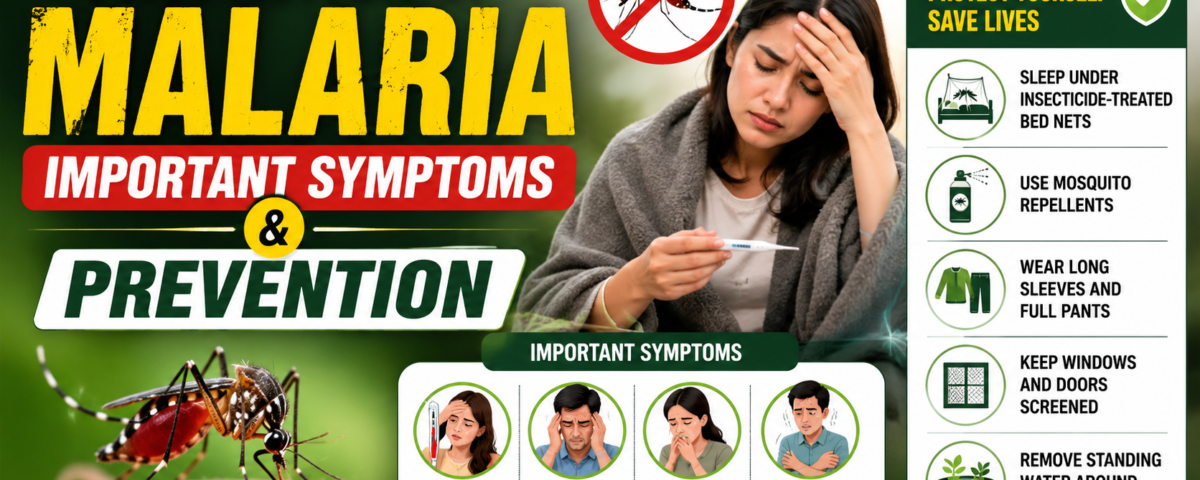
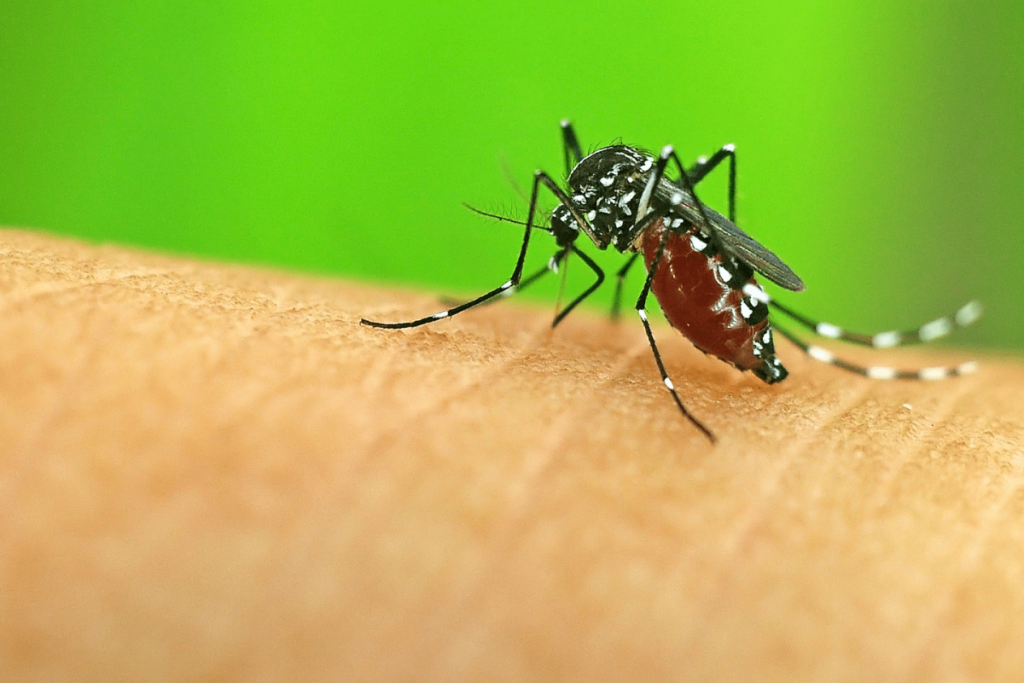
Malaria remains one of the most serious mosquito-borne diseases in tropical and subtropical regions. The disease spreads through the bite of infected female Anopheles mosquitoes and can quickly become life-threatening if ignored.
The most effective approach is early detection, timely medical care, and strong Prevention of Malaria practices that reduce exposure to mosquitoes and stop transmission within communities.
Families often seek guidance from trusted healthcare providers when dealing with fever-related illnesses and mosquito-borne infections. Consulting a best pediatrician in badshahpur gurgaon specialist can help parents recognize warning signs in children and understand the importance of malaria treatment and prevention before complications develop.
Prevention of Malaria: What You Should Know
Understanding prevention of malaria properly, rather than relying on assumptions, is what actually keeps people safe and helps them get the right care at the right time. The World Health Organization publishes guidance on this topic that supports the approach we follow at TrustMed Hospital.
What Causes Malaria?
Malaria is caused by Plasmodium parasites that enter the bloodstream through mosquito bites. The most dangerous species, Plasmodium falciparum, can lead to severe complications involving the brain, lungs, kidneys, and blood circulation.
Warm weather, stagnant water, poor sanitation, and overcrowded areas increase mosquito breeding and raise infection risks.
Strong malaria awareness is essential because many people mistake early symptoms for seasonal flu or viral fever. Delayed treatment may allow the infection to spread rapidly inside the body. Public education campaigns, clean surroundings, and regular mosquito control programs contribute significantly to the control of malaria in urban and rural communities.
Early Symptoms of Malaria
Recognizing symptoms early can save lives. Common symptoms include fever, chills, sweating, headache, muscle pain, nausea, vomiting, weakness, and fatigue. Some patients also experience abdominal discomfort and loss of appetite.
In severe cases, malaria may cause breathing difficulty, confusion, seizures, jaundice, or unconsciousness.
Doctors emphasize that Prevention of Malaria becomes more effective when people identify symptoms quickly and seek medical care without delay.
Children, pregnant women, older adults, and people with weakened immunity face a higher risk of complications, making rapid diagnosis extremely important.
Another important aspect of malaria awareness is understanding that symptoms can appear between seven days and several weeks after a mosquito bite. Travelers returning from high-risk regions should never ignore recurring fever, even if symptoms initially seem mild.
How Malaria Is Diagnosed
Diagnosis usually begins with a physical examination and a review of travel history, symptoms, and possible mosquito exposure. Blood tests are used to confirm the presence of malaria parasites. Rapid diagnostic tests and microscopic blood smear examinations help doctors determine the type and severity of infection.
Timely testing supports better malaria treatment and prevention because early confirmation allows doctors to start medications before complications arise.
Hospitals and clinics in high-risk regions also conduct community screening programs to strengthen the control of malaria and reduce transmission rates.
Prevention Methods That Work
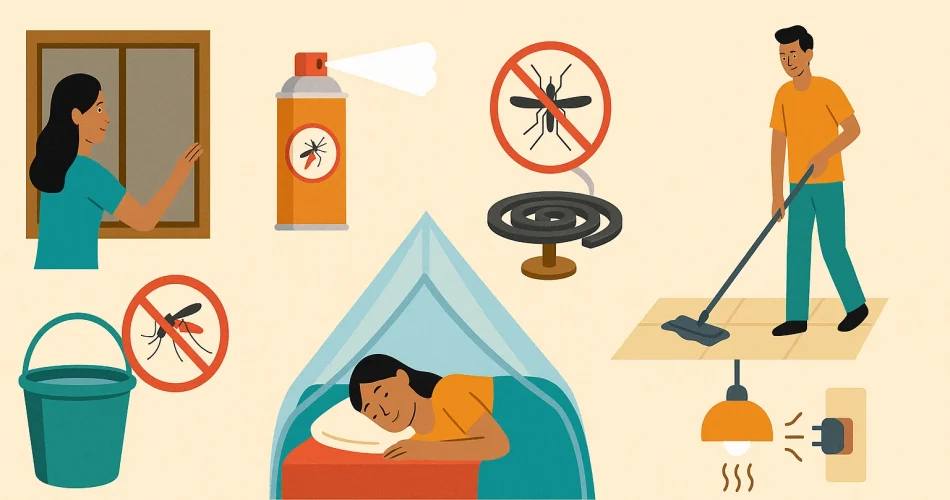
The most reliable Prevention of Malaria strategy focuses on avoiding mosquito bites and reducing mosquito breeding areas. Sleeping under insecticide-treated mosquito nets significantly lowers infection risk, especially in areas with high mosquito activity at night. Using mosquito repellents on exposed skin and wearing full-sleeved clothing provide additional protection.
People often ask how to prevent malaria during monsoon seasons or while living near stagnant water. The answer begins with environmental hygiene. Emptying water containers, cleaning drains, covering tanks, and preventing water accumulation can reduce mosquito breeding around homes and workplaces.
Health experts also recommend indoor residual spraying and mosquito screens for windows and doors. These malaria precautions are particularly important for infants, elderly individuals, and pregnant women who are more vulnerable to severe infection.
Regular fumigation drives, waste management, and public sanitation programs also improve the control of malaria in densely populated areas. Community participation plays a major role because even small neglected water sources can become breeding grounds for mosquitoes.
Travel Safety and Personal Protection
Travelers visiting tropical countries or forest regions should take special care before and during their trips. Consulting a doctor before travel allows individuals to receive preventive medication when required. Travelers should carry mosquito repellents, protective clothing, and portable mosquito nets.
One of the most practical answers to How to prevent malaria while traveling is to avoid outdoor exposure during dusk and dawn when mosquitoes are most active. Choosing accommodations with proper mosquito protection and air conditioning also lowers risk.
International health agencies continue to stress malaria awareness for travelers because imported malaria cases can spread infection to new regions if not diagnosed quickly. Individuals returning from endemic areas should monitor symptoms carefully for several weeks after travel.
The Role of Mosquito Control in Public Health
Mosquito control programs remain central to Prevention of Malaria efforts worldwide. Local governments and healthcare organizations conduct anti-larval spraying, fogging campaigns, and sanitation drives to reduce mosquito populations. Schools, workplaces, and residential societies also contribute by organizing cleanliness initiatives.
Public cooperation is necessary for successful control of malaria because prevention cannot rely only on hospitals or government agencies. Communities must report stagnant water, maintain clean surroundings, and support local awareness campaigns.
Many healthcare professionals believe that malaria awareness should start at school level so children understand mosquito safety habits from an early age. Educating families about clean water storage, waste disposal, and mosquito protection can reduce infections significantly over time.
Malaria treatment depends on the parasite type, severity of symptoms, age of the patient, and overall health condition. Doctors may prescribe antimalarial medications such as artemisinin-based combination therapies. Severe cases sometimes require hospitalization, intravenous medications, and close monitoring.
Effective malaria treatment and prevention work together because prompt treatment not only protects the patient but also reduces the chance of further transmission. Self-medication should always be avoided, as incorrect drug use may lead to resistance or delayed recovery.
Patients recovering from malaria should stay hydrated, complete the full medication course, and attend follow-up consultations if symptoms continue. Good nutrition, proper rest, and medical supervision support faster recovery and lower the risk of relapse.
Why Community Awareness Matters
Communities with higher malaria awareness often report lower infection rates because residents recognize symptoms early and take preventive action consistently. Awareness campaigns through schools, clinics, social media, and public health programs encourage people to maintain mosquito-free surroundings and seek timely treatment.
Another important part of Prevention of Malaria is educating families about seasonal risk factors. During rainy months, mosquito breeding increases rapidly, making protective measures more important than ever. Communities that actively participate in cleanliness drives and neighborhood monitoring programs create safer living conditions for everyone.
Healthcare workers also encourage families to adopt daily malaria precautions such as using repellents, keeping windows screened, and avoiding water stagnation around homes. These habits may appear simple, but they can dramatically reduce mosquito exposure.
Practical Daily Habits to Stay Safe
Many people searching online for How to prevent malaria are looking for simple habits they can follow every day. Keeping homes dry and clean, using mosquito repellents regularly, and sleeping under treated mosquito nets remain among the most effective protective measures.
Parents should pay close attention to children who develop sudden fever or chills after mosquito exposure. Quick medical consultation improves outcomes and supports better malaria treatment and prevention across communities. Employers can also protect workers by maintaining clean worksites and ensuring proper sanitation.
Another essential element in the control of malaria is public participation in local health programs. When neighborhoods cooperate with sanitation drives and mosquito control campaigns, infection rates often decline more rapidly.
Final Thoughts
Strong Prevention of Malaria strategies combine personal protection, environmental cleanliness, timely diagnosis, and community participation. Consistent mosquito control measures, early medical attention, and responsible public health action can reduce infections and save lives. Whether at home or while traveling, adopting practical prevention habits is the safest way to protect yourself and your family from this dangerous disease. For expert healthcare guidance and trusted medical support, visit hospital in badshahpur gurgaon for comprehensive care and professional assistance.
Prevention of Malaria also depends on regular health checkups in vulnerable regions and consistent follow-up after treatment. Doctors frequently advise families to review seasonal malaria precautions before monsoon months begin so they can reduce mosquito exposure early.
People still wondering How to prevent malaria should focus on combining mosquito protection, environmental hygiene, and professional medical advice throughout the year. Long-term Prevention of Malaria requires both personal responsibility and community-level action.