
Diabetes Management: Diet, Exercise, and Warning Signs You Shouldn’t Ignore

Pregnancy Warning Signs You Should Never Ignore
July 30, 2026
Kidney Stones: Symptoms, Causes, and When to See a Urologist
August 5, 2026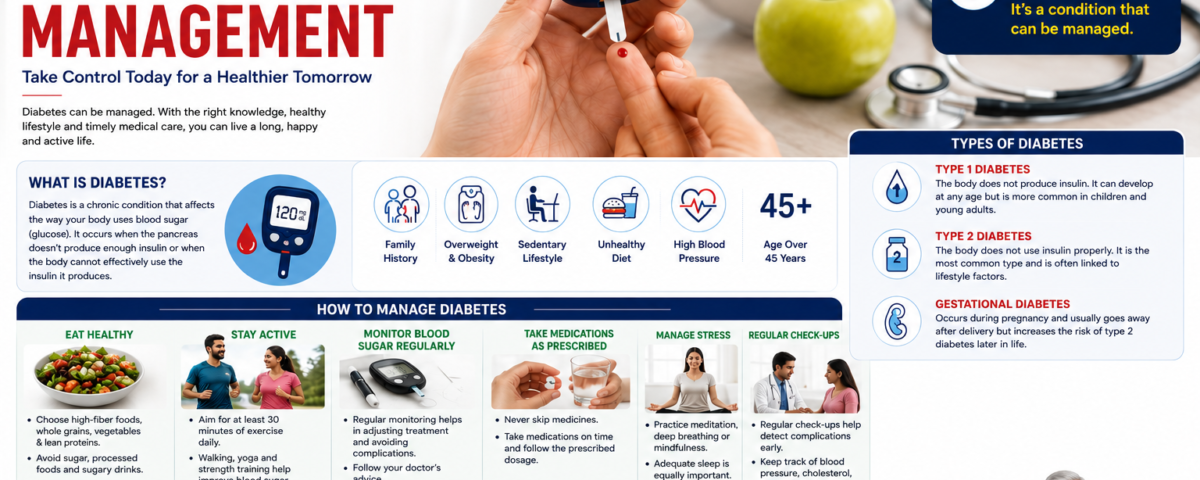
Diabetes management has become one of the most important aspects of everyday healthcare in Gurgaon and Badshahpur, where busy urban lifestyles, irregular eating habits, and reduced physical activity are pushing more people toward high blood sugar and related complications. Whether you have recently been diagnosed with diabetes or are simply trying to reduce your risk, understanding the basics of diabetes management can help you protect your heart, kidneys, eyes, and nerves for years to come. In this guide, we walk through what diabetes management really involves, the early warning signs you should never ignore, and practical diet and exercise strategies that make a real difference.
What Is Diabetes and Why Diabetes Management Matters
Diabetes is a chronic condition in which the body either does not produce enough insulin or cannot use insulin effectively, causing glucose to build up in the bloodstream instead of being used for energy. Over time, uncontrolled blood sugar can damage blood vessels and nerves throughout the body, increasing the risk of heart disease, stroke, kidney failure, vision loss, and slow-healing wounds. This is exactly why diabetes management is not just about avoiding sweets; it is a long-term commitment to monitoring, lifestyle changes, and in many cases medication that keeps blood sugar within a safe range.
Effective diabetes management can dramatically lower the risk of these complications. People who keep their blood sugar, blood pressure, and cholesterol under control generally enjoy longer, healthier lives with far fewer hospital visits than those who leave the condition unmanaged. This is why doctors emphasize diabetes management as a daily practice rather than an occasional concern.
Types of Diabetes You Should Know About
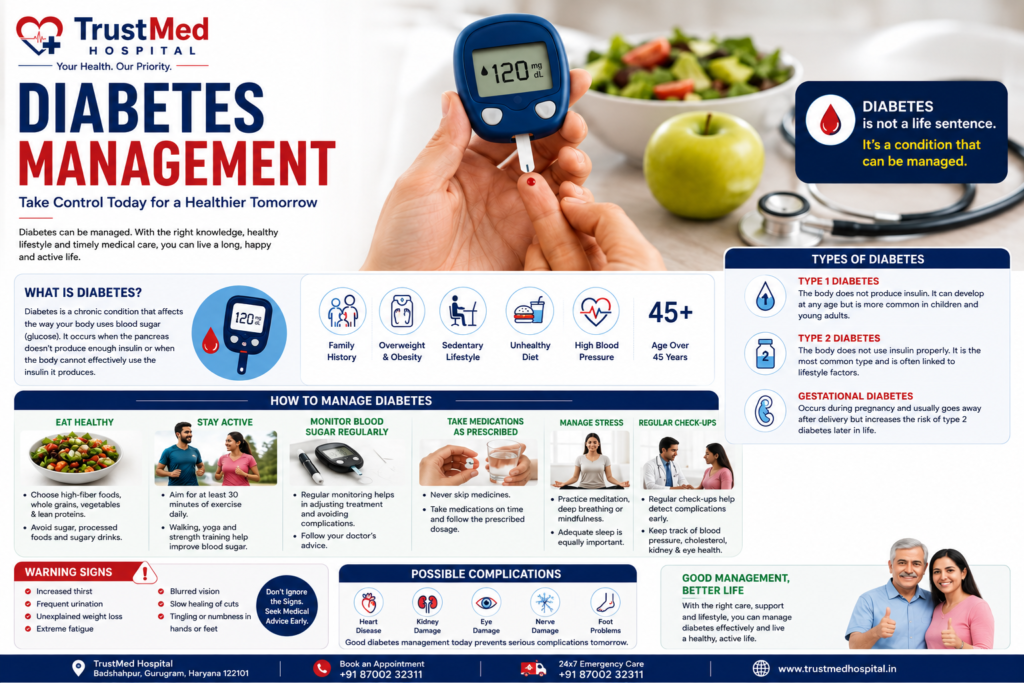
Type 1 diabetes occurs when the immune system attacks the insulin-producing cells in the pancreas, and it usually appears in childhood or early adulthood, requiring lifelong insulin therapy. Type 2 diabetes, the most common form, develops when the body becomes resistant to insulin or does not produce enough of it, and it is strongly linked to excess weight, inactivity, and family history. Gestational diabetes develops during pregnancy and usually resolves after delivery, though it raises the risk of type 2 diabetes later in life for both mother and child. Regardless of the type, the core principles of diabetes management, monitoring blood sugar, eating well, staying active, and attending regular checkups, remain largely the same.
Early Warning Signs of Diabetes You Should Never Ignore
Many people live with high blood sugar for months or even years before receiving a diagnosis, simply because the early symptoms are easy to dismiss as everyday tiredness or stress. Recognizing these warning signs early is one of the most valuable diabetes management tools available to you.
Common Symptoms of High Blood Sugar
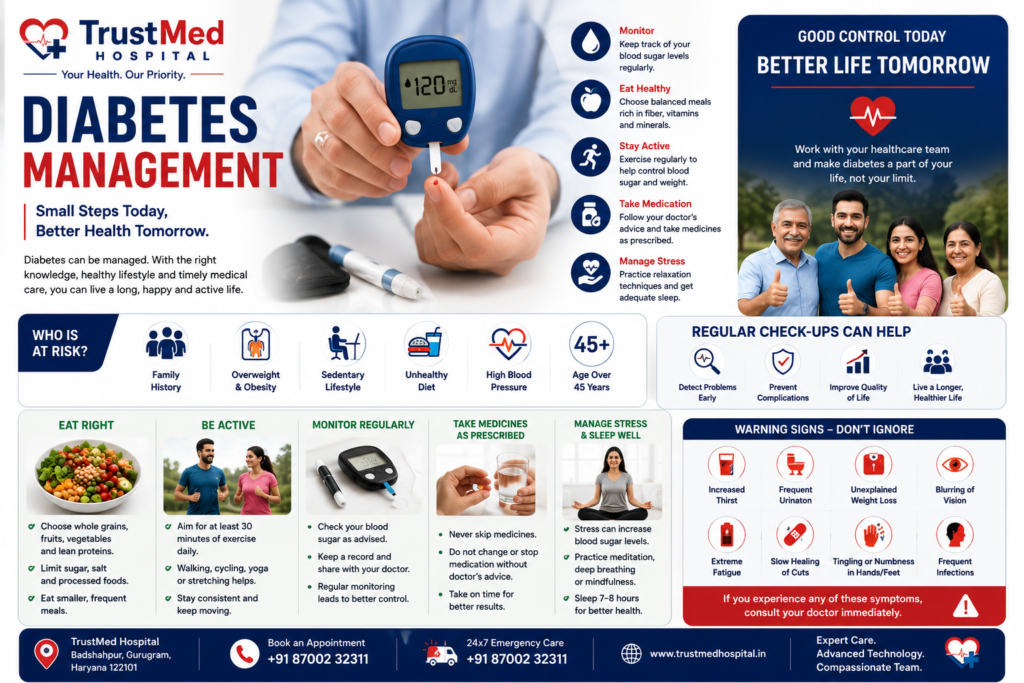
Increased thirst and a dry mouth that does not go away, frequent urination especially at night, unexplained fatigue that persists even after rest, blurred vision that comes and goes, slow-healing cuts, wounds, or frequent infections, tingling, numbness, or a burning sensation in the hands or feet, and unexplained weight loss despite a normal or increased appetite are all signs that your blood sugar may be out of range. If you notice several of these symptoms together, it is worth scheduling a blood sugar test rather than waiting for them to resolve on their own, since early diabetes management makes a significant difference in long-term outcomes.
When Diabetes Symptoms Signal an Emergency
In rare but serious cases, extremely high or extremely low blood sugar can become a medical emergency. Warning signs such as confusion, difficulty breathing, a fruity smell on the breath, vomiting, a rapid heartbeat, or loss of consciousness require immediate emergency care rather than a routine appointment. If you or a family member experiences these symptoms, seek emergency medical attention right away rather than waiting for a scheduled diabetes management visit.
Diet Tips That Support Better Diabetes Management
What you eat has a direct and immediate effect on your blood sugar levels, which is why nutrition sits at the center of any diabetes management plan.
Foods to Include in a Diabetes-Friendly Diet
Favor whole grains such as brown rice, oats, and whole wheat over refined white flour and sugar. Fill half your plate with non-starchy vegetables like spinach, broccoli, and cauliflower, which are rich in fiber and slow the absorption of sugar into the bloodstream. Choose lean protein sources such as fish, skinless chicken, legumes, and paneer, and include healthy fats like nuts, seeds, and olive oil in moderation. Fresh fruit in reasonable portions, rather than fruit juice, provides natural sweetness along with fiber that helps regulate blood sugar spikes as part of everyday diabetes management.
Foods and Habits to Limit for Better Diabetes Management
Refined sugar, sugary beverages, fried snacks, and heavily processed packaged foods can all cause rapid spikes in blood sugar and should be limited. Eating irregularly, skipping meals, or eating very large portions late at night can also make diabetes management more difficult, so aim for consistent meal timing and moderate portion sizes throughout the day.
The Role of Exercise in Diabetes Management
Physical activity is one of the most powerful, and most underused, tools for diabetes management. Exercise helps muscles use glucose more efficiently, which can lower blood sugar levels both during and after activity. Aim for at least 150 minutes of moderate exercise each week, such as brisk walking, cycling, swimming, or yoga, spread across most days rather than concentrated in a single session. Strength training two to three times a week further improves the body’s sensitivity to insulin. Even small changes, such as taking a fifteen-minute walk after meals, can meaningfully improve blood sugar control as part of a sustainable diabetes management routine.
Diabetes Management and Heart Health
People living with diabetes face a significantly higher risk of heart disease and heart attack, because prolonged high blood sugar damages blood vessels and accelerates the buildup of plaque in the arteries. This is why diabetes management should always include monitoring blood pressure and cholesterol alongside blood sugar. If you experience chest discomfort, shortness of breath, or unusual fatigue, it is worth reading our guide on early warning signs of heart disease to understand when symptoms need urgent attention.
Diabetes Management and Kidney Health
The kidneys filter waste from the blood, and consistently high blood sugar can gradually damage the delicate blood vessels inside them, leading to a condition known as diabetic nephropathy. Good diabetes management, including blood sugar control, blood pressure control, and staying well hydrated, is one of the most effective ways to protect kidney function over the long term. Diabetes can also indirectly increase the risk of other urinary and kidney issues; you can learn more in our article on kidney stone symptoms and when to see a urologist.
Diabetes Management and Stroke Risk
Diabetes roughly doubles the risk of stroke, since high blood sugar contributes to the narrowing and hardening of arteries that supply blood to the brain. Recognizing the warning signs of a stroke, sudden facial drooping, arm weakness, and speech difficulty, can save precious minutes in an emergency. Our detailed guide on recognizing a stroke and why every minute matters explains the FAST method that everyone should know, especially if you or a loved one is living with diabetes.
Preventive Checkups: A Core Part of Diabetes Management
Diabetes management does not end with diet and exercise. Regular checkups, including blood sugar tests, kidney function tests, eye exams, and foot exams, help catch complications early, before they become serious. To understand what a complete preventive checkup typically includes and how often you should schedule one, take a look at our guide on why annual health checkups matter.
When to See a Doctor for Diabetes Management
You should consult a physician or endocrinologist if you have a family history of diabetes, notice persistent symptoms such as excessive thirst or fatigue, or are struggling to control your blood sugar despite lifestyle changes. According to the World Health Organization, early diagnosis and consistent management significantly reduce the risk of diabetes-related complications. For a deeper clinical overview of symptoms and treatment approaches, the Mayo Clinic’s diabetes overview is also a helpful resource. At Trustmed Hospital, our team can guide you through screening, diagnosis, and an individualized diabetes management plan suited to your lifestyle.
Common Myths About Diabetes Management
There are many misconceptions that can make diabetes management more confusing than it needs to be. One common myth is that eating sugar directly causes diabetes; in reality, type 2 diabetes develops from a complex mix of genetics, weight, and lifestyle factors, though excessive sugar intake can contribute to weight gain, which is a risk factor. Another myth is that people with diabetes cannot eat fruit at all, when in fact whole fruit in moderate portions is part of a healthy diabetes management plan. Some believe that insulin is only needed as a last resort or a sign of failure, but for many people, especially those with type 1 diabetes, insulin is a safe and essential part of treatment from the very beginning. Finally, some assume that once blood sugar is under control, diabetes management can be relaxed, but consistent long-term monitoring remains essential even after significant improvement.
Building a Long-Term Diabetes Management Routine
Successful diabetes management usually comes down to small, consistent habits rather than dramatic short-term changes. Keeping a simple log of your meals, activity, and blood sugar readings can help you and your doctor spot patterns and adjust your plan as needed. Involving family members in meal planning can make healthier eating easier to sustain, while setting realistic exercise goals, such as a short walk after dinner, helps build a routine that lasts. Sleep and stress also play an underrated role in blood sugar control, since poor sleep and chronic stress can raise blood sugar levels through hormonal changes. Prioritizing seven to eight hours of quality sleep and practicing stress-reduction techniques such as meditation or deep breathing can meaningfully support your overall diabetes management plan.
Diabetes Management During Festivals, Travel, and Special Occasions
Festivals and family gatherings often come with tempting sweets and irregular meal times, which can make diabetes management feel especially challenging. Rather than avoiding celebrations altogether, plan ahead by eating a small, balanced meal before attending an event so you are less likely to overindulge, and choose smaller portions of traditional sweets rather than cutting them out completely. When traveling, carry snacks that will not spike blood sugar, stay hydrated, and try to maintain your usual medication and testing schedule as closely as possible, even across time zones. With a little planning, it is entirely possible to enjoy festivals and travel while still staying on top of your diabetes management goals.
Frequently Asked Questions About Diabetes Management
Can diabetes be reversed through better diabetes management?
Type 2 diabetes can sometimes be put into remission through significant weight loss, dietary changes, and increased physical activity, especially when caught early. However, this requires sustained lifestyle changes and regular monitoring, and should always be done under medical supervision rather than attempted alone.
How often should I check my blood sugar?
This depends on the type of diabetes, medication, and how well-controlled your blood sugar is. Some people check daily, while others need only periodic testing. Your doctor can recommend a monitoring schedule tailored to your specific diabetes management plan.
Is diabetes management different for children?
Yes. Children with type 1 diabetes generally require insulin therapy along with careful meal planning and monitoring, and their care is usually coordinated with a pediatric endocrinologist. Family support and education play an especially important role in helping children manage their condition safely.
Conclusion: Take Charge of Your Diabetes Management Today
Diabetes management is not a one-time fix but an ongoing partnership between you, your family, and your healthcare team. By recognizing early warning signs, eating a balanced diet, staying physically active, and scheduling regular checkups, you can significantly reduce your risk of long-term complications and enjoy a fuller, more active life. If you have concerns about your blood sugar or would like a personalized diabetes management plan, the specialists at Trustmed Hospital in Gurgaon and Badshahpur are here to help.