
Kidney Stones: Symptoms, Causes, and When to See a Urologist

Diabetes Management: Diet, Exercise, and Warning Signs You Shouldn’t Ignore
August 5, 2026
Recognizing a Stroke: The FAST Method and Why Every Minute Matters
August 5, 2026
Kidney stones are one of the most common urological problems seen in Gurgaon and Badshahpur, often striking without warning and causing some of the most intense pain a person can experience. Understanding how kidney stones form, recognizing the symptoms early, and knowing when to see a urologist can help you avoid complications and get the right treatment quickly. In this comprehensive guide, we cover everything you need to know about kidney stones, from causes and symptoms to treatment and prevention.
What Are Kidney Stones and Why Do They Form?
Kidney stones are hard deposits made of minerals and salts, such as calcium oxalate or uric acid, that form inside the kidneys when urine becomes concentrated and these substances crystallize together. They can range in size from a tiny grain of sand to a stone as large as a golf ball, and their size largely determines how they are treated. Small kidney stones may pass unnoticed, while larger ones can block the flow of urine and cause severe pain.
Kidney stones are increasingly common due to dehydration, high-salt diets, and sedentary routines common in busy urban lifestyles. They can range from a minor inconvenience to an intensely painful medical emergency, which is why understanding this condition is so important for anyone living in a hot climate with irregular water intake.
Common Symptoms of Kidney Stones You Should Never Ignore
Early Warning Signs of Kidney Stones
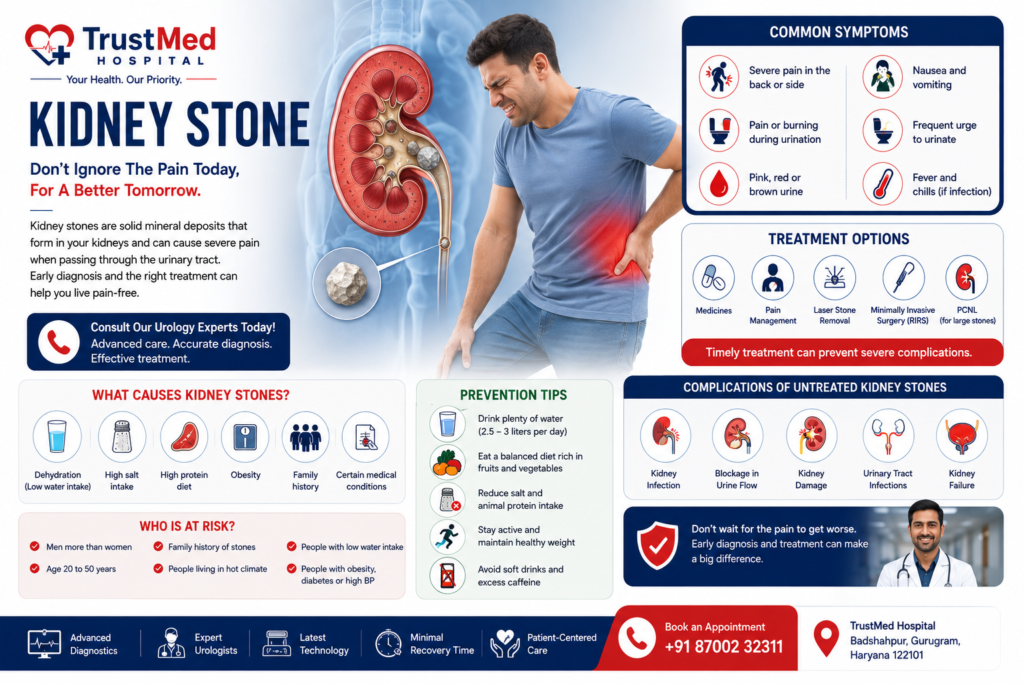
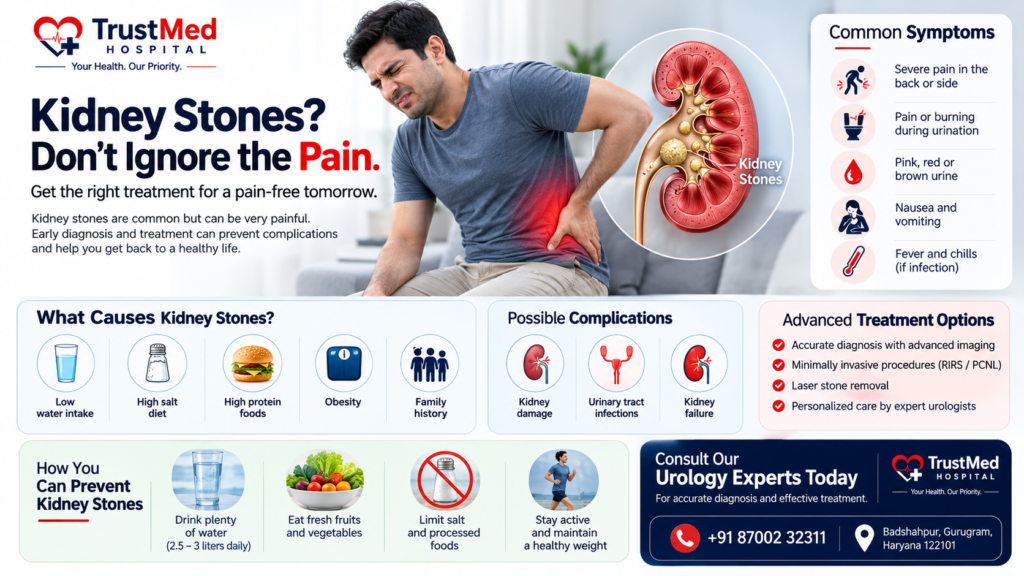
The most recognizable symptom of kidney stones is a sudden, severe pain in the back or side that may radiate toward the lower abdomen and groin. Other common signs include blood in the urine, a persistent urge to urinate, burning during urination, nausea, vomiting, and cloudy or foul-smelling urine. Many patients describe the pain as coming in waves, intensifying as the stone moves through the urinary tract.
When Kidney Stones Become a Medical Emergency
You should seek prompt medical attention if pain becomes unbearable, is accompanied by fever and chills, or if you are unable to pass urine at all, as these can indicate a serious infection or blockage. A urologist can confirm the diagnosis of kidney stones with imaging tests and recommend the most suitable treatment for your specific situation.
What Causes Kidney Stones?
Dietary and Lifestyle Causes of Kidney Stones
Common causes of kidney stones include not drinking enough water, diets high in sodium or animal protein, obesity, and a sedentary lifestyle. Low fluid intake is one of the biggest risk factors for kidney stones, since concentrated urine makes it easier for minerals to crystallize. Excess salt intake causes the body to retain more calcium in the urine, which also raises the risk of kidney stones.
Medical Conditions Linked to Kidney Stones
Certain digestive conditions, urinary tract infections, and a family history of stones can make a person more prone to repeated kidney stones. In some cases, underlying metabolic issues or conditions such as gout and hyperparathyroidism increase the risk of kidney stones. People with diabetes and obesity also face a higher risk of developing kidney stones, since both conditions affect urine composition and acidity.
Types of Kidney Stones
Not all kidney stones are the same. Calcium oxalate stones are the most common type of kidney stones and form when calcium combines with oxalate in the urine. Uric acid stones tend to form in people who do not drink enough fluids or who eat a high-protein diet. Struvite stones are often linked to urinary tract infections and can grow quite large, while cystine stones are rarer and tend to run in families. Identifying the type of kidney stone helps doctors recommend the most effective prevention strategy.
How Kidney Stones Are Diagnosed
Doctors typically diagnose kidney stones using a combination of imaging tests such as ultrasound or CT scans, along with urine and blood tests to identify the type of stone and any underlying cause. Early and accurate diagnosis of kidney stones allows your doctor to choose the least invasive treatment option possible.
Treatment Options for Kidney Stones
Home Care and Small Kidney Stones
Small kidney stones may pass on their own with plenty of fluids and pain relief medication recommended by your doctor. Drinking two to three liters of water a day helps flush out small kidney stones and reduces discomfort during passage. Your doctor may also prescribe medication to relax the ureter and make it easier for kidney stones to pass.
Medical Procedures for Larger Kidney Stones
Larger kidney stones sometimes require procedures such as shock wave lithotripsy, which uses sound waves to break stones into smaller pieces, or ureteroscopy, where a thin scope is used to locate and remove the stone. In more complex cases, minimally invasive surgical removal may be necessary. The right treatment for kidney stones depends on the size, location, and composition of the stone.
Complications of Untreated Kidney Stones
Ignoring kidney stones or delaying treatment can lead to serious complications. If a kidney stone blocks the flow of urine for an extended period, it can cause a urinary tract infection to spread to the kidney itself, a condition that may require hospitalization. Chronic or recurrent kidney stones can also gradually damage kidney tissue and, in severe cases, contribute to reduced kidney function over time. This is why prompt evaluation of kidney stone symptoms by a urologist is so important, rather than waiting to see if the pain resolves on its own.
Kidney Stones and Cashless Treatment Options
Many patients worry about the cost of treating kidney stones, especially when a surgical procedure is recommended. Most health insurance policies in India cover kidney stone treatment, including lithotripsy and surgical removal, under cashless hospitalization if the hospital is part of the insurer’s network. To understand how the cashless claim process works and what documents you will need, read our guide on cashless treatment in Gurgaon, which walks through the process step by step.
Living with Recurrent Kidney Stones
Some people are prone to forming kidney stones repeatedly throughout their lives. If you have had more than one episode of kidney stones, your doctor may recommend a metabolic evaluation, including blood and 24-hour urine tests, to identify the specific cause and tailor a long-term prevention plan. Staying consistent with hydration goals, following dietary recommendations, and attending follow-up appointments are all essential parts of managing recurrent kidney stones successfully.
Kidney Stones and Diabetes: An Important Connection
People living with diabetes face a higher risk of developing kidney stones, since high blood sugar can change the acidity and composition of urine over time. Managing blood sugar effectively is one of the best ways to reduce this risk. If you are living with diabetes, our detailed guide on diabetes management, diet, and exercise tips explains practical strategies that also support kidney health.
Kidney Stones and the Importance of Preventive Checkups
Routine checkups that include urine tests and kidney function tests can help detect the early signs of kidney stones before they cause severe pain. To understand what a complete preventive checkup typically includes, take a look at our guide on why annual health checkups matter.
Preventing Kidney Stones: Diet and Hydration Tips
Staying well hydrated is the single most effective way to prevent kidney stones, since diluted urine makes it much harder for minerals to crystallize. Aim to drink enough water throughout the day so that your urine stays pale yellow. Moderating salt intake, limiting animal protein, and maintaining a balanced diet rich in fruits and vegetables are simple ways to lower the risk of new kidney stones forming. Reducing foods high in oxalates, such as spinach and nuts, may also help people who are prone to calcium oxalate kidney stones, though this should be discussed with your doctor first since these foods have other health benefits.
When to See a Urologist for Kidney Stones
You should seek prompt medical attention if pain from kidney stones becomes unbearable, is accompanied by fever and chills, or if you are unable to pass urine at all, as these can indicate a serious infection or blockage. According to the Mayo Clinic, prompt treatment of large kidney stones can prevent permanent kidney damage. The National Institute of Diabetes and Digestive and Kidney Diseases also offers detailed guidance on kidney stone prevention and treatment. A urologist at Trustmed Hospital can confirm the diagnosis of kidney stones with imaging tests and recommend the most suitable treatment for your specific situation.
Frequently Asked Questions About Kidney Stones
Can kidney stones be dissolved naturally?
Small uric acid kidney stones may sometimes dissolve with medication that changes the acidity of urine, but most other types of kidney stones cannot be dissolved naturally and need to pass on their own or be removed with a procedure. Home remedies alone should never replace medical evaluation for kidney stones.
How long does it take to pass a kidney stone?
Small kidney stones can take anywhere from a few days to a few weeks to pass, depending on their size and location. Larger kidney stones may require medical intervention if they do not pass within four to six weeks or if they cause severe symptoms.
Are kidney stones more common in men or women?
Kidney stones are historically more common in men, though the gap has been narrowing in recent years due to changes in diet and lifestyle. Both men and women should stay aware of the warning signs of kidney stones, especially if they have a family history of the condition.
Conclusion: Take Kidney Stone Symptoms Seriously
Kidney stones can range from a minor inconvenience to a serious medical emergency, which is why recognizing the symptoms early and seeking timely care matters so much. By staying hydrated, eating a balanced diet, and scheduling regular checkups, you can significantly reduce your risk of developing kidney stones. If you suspect you have kidney stones or are experiencing severe pain, the urology specialists at Trustmed Hospital in Gurgaon and Badshahpur are here to help.