Gynecologist Advice for Severe Period Pain and Heavy Bleeding

Understanding ICU Care: What Patients and Families Should Know
June 4, 2026
First Aid for Accident Victims: Essential Emergency Care Steps Guide
June 11, 2026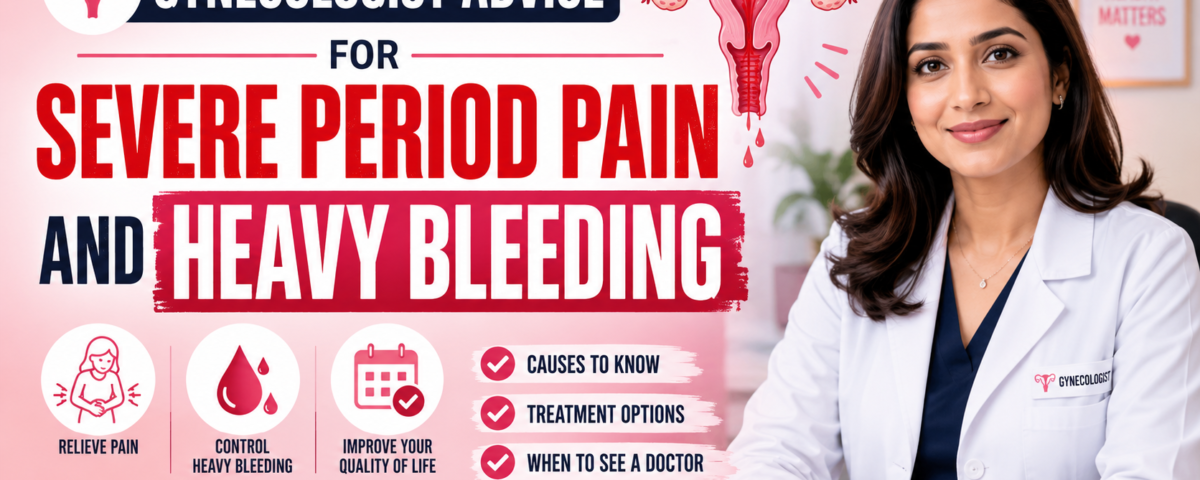
Severe period pain and heavy menstrual bleeding can significantly affect a woman’s daily life, work, and overall well-being. While mild discomfort during menstruation is common, intense cramps and excessive bleeding may indicate an underlying health condition that requires medical attention. Following professional Gynecologist Advice can help identify the cause, manage symptoms, and improve quality of life.
Many women search for trusted healthcare guidance when menstrual symptoms become difficult to manage. Consulting the Best Gynecologist in Badshahpur Gurgaon can provide personalized diagnosis and treatment options based on individual health needs.
Severe period pain: What You Should Know
Understanding severe period pain properly, rather than relying on assumptions, is what actually keeps people safe and helps them get the right care at the right time. The World Health Organization publishes guidance on this topic that supports the approach we follow at TrustMed Hospital.
Understanding Severe Period Pain and Heavy Menstrual Bleeding
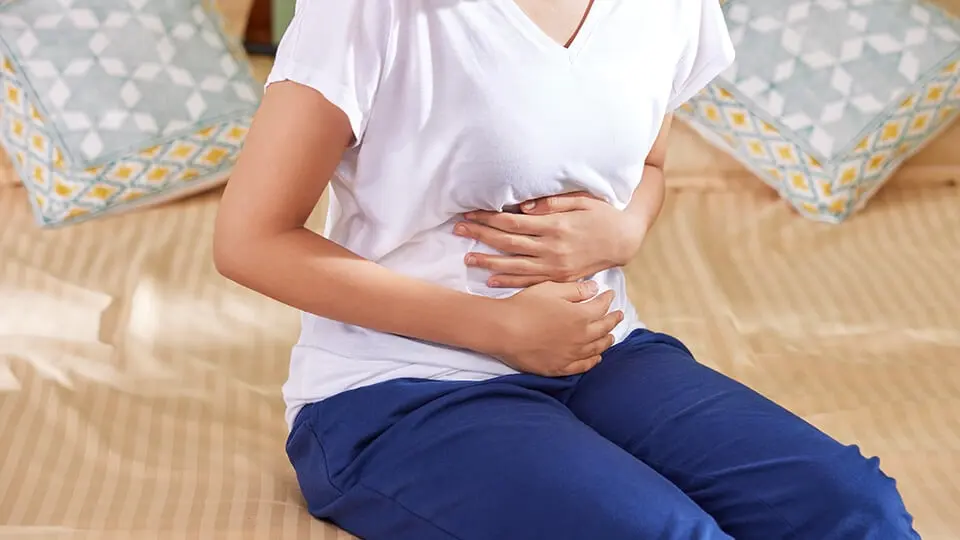
Severe period pain, medically known as dysmenorrhea, involves intense cramping that may radiate to the lower back and thighs. Heavy menstrual bleeding, also called menorrhagia, refers to unusually heavy or prolonged periods that interfere with normal activities.
According to expert Gynecologist Advice, persistent symptoms should never be ignored because they may signal underlying reproductive health conditions.
Common Symptoms Include
- Intense abdominal cramps
- Excessive blood loss during periods
- Passing large blood clots
- Fatigue and weakness
- Lower back pain
- Nausea and headaches
- Menstrual cycles lasting longer than seven days
What Causes Severe Period Pain?
Several conditions can contribute to painful menstruation. Understanding the cause is essential for selecting the most effective treatment.
1. Endometriosis
Endometriosis occurs when tissue similar to the uterine lining grows outside the uterus. This condition often causes severe cramps, pelvic pain, and fertility challenges.
2. Uterine Fibroids
Fibroids are non-cancerous growths in the uterus that can lead to heavy bleeding and significant menstrual discomfort.
3. Adenomyosis
This condition develops when the uterine lining grows into the muscular wall of the uterus, resulting in painful and heavy periods.
4. Pelvic Inflammatory Disease (PID)
Infections affecting reproductive organs may trigger chronic pelvic pain and abnormal menstrual symptoms.
5. Hormonal Imbalances
Changes in estrogen and progesterone levels can disrupt normal menstrual cycles and contribute to heavy bleeding.
Healthcare specialists often emphasize that early diagnosis following Gynecologist Advice can prevent complications and improve treatment outcomes.
Why Heavy Menstrual Bleeding Should Not Be Ignored
Heavy periods can lead to more than temporary discomfort. Long-term excessive blood loss may result in iron-deficiency anemia, fatigue, dizziness, and reduced productivity.
Warning Signs
- Soaking through pads or tampons every hour
- Needing double protection
- Waking at night due to bleeding
- Feeling constantly tired during periods
- Passing blood clots larger than a coin
Women experiencing these symptoms should seek immediate medical evaluation. A reputable Hospital in Badshahpur Gurgaon can provide advanced diagnostic services to identify the root cause.
Gynecologist Advice for Managing Severe Period Pain
Professional Gynecologist Advice focuses on both symptom relief and addressing the underlying cause.
Use Heat Therapy
Applying a heating pad or hot water bottle to the lower abdomen can help relax uterine muscles and reduce cramping.
Stay Physically Active
Light exercises such as walking, stretching, and yoga may improve blood circulation and decrease menstrual discomfort.
Maintain a Healthy Diet
A balanced diet rich in fruits, vegetables, whole grains, and iron-containing foods supports hormonal balance and overall reproductive health.
Stay Hydrated
Proper hydration may reduce bloating and improve circulation during menstruation.
Get Adequate Rest
Quality sleep allows the body to recover and better manage inflammation and pain.
These lifestyle measures are commonly recommended as part of comprehensive Gynecologist Advice for menstrual health management.
Medical Treatments for Heavy Bleeding and Severe Cramps
When lifestyle modifications are insufficient, medical treatment may be necessary.
Pain Relief Medications
Nonsteroidal anti-inflammatory drugs (NSAIDs) are often prescribed to reduce menstrual cramps and inflammation.
Hormonal Therapy
Birth control pills, hormonal injections, or intrauterine devices (IUDs) may help regulate menstrual cycles and reduce heavy bleeding.
Iron Supplements
Women experiencing anemia due to heavy periods may require iron supplementation.
Minimally Invasive Procedures
Certain conditions, such as fibroids or endometriosis, may benefit from advanced medical procedures recommended by specialists.
Following individualized Gynecologist Advice ensures treatment plans are tailored to specific health concerns and reproductive goals.
When Should You See a Gynecologist?
Many women delay seeking care because they assume severe periods are normal. However, medical evaluation is important if symptoms affect daily life.
Consult a Specialist If:
- Period pain prevents normal activities
- Heavy bleeding continues for several cycles
- Over-the-counter medications provide little relief
- Menstrual symptoms suddenly worsen
- You experience pelvic pain between periods
- Symptoms impact fertility planning
Timely Gynecologist Advice can help diagnose conditions early and reduce the risk of complications.
Quick Takeaways for Better Menstrual Health
- Track menstrual symptoms regularly.
- Follow a nutrient-rich diet.
- Exercise consistently.
- Stay hydrated throughout the month.
- Do not ignore unusually heavy bleeding.
- Seek medical evaluation for persistent pain.
- Follow professional treatment recommendations.
These simple habits can support long-term reproductive wellness while complementing expert Gynecologist Advice.
Preventive Tips for Healthier Menstrual Cycles
Maintaining reproductive health involves proactive care and regular checkups.
Helpful Preventive Measures
- Schedule routine gynecological examinations.
- Manage stress through relaxation techniques.
- Maintain a healthy body weight.
- Monitor changes in menstrual patterns.
- Address hormonal concerns early.
Many women’s health specialists agree that preventive care is one of the most effective forms of Gynecologist Advice for reducing future complications.
Conclusion
Severe period pain and heavy bleeding should never be considered something that women simply have to endure. Early diagnosis, lifestyle improvements, and appropriate medical treatment can make a significant difference in overall health and comfort. Seeking expert Gynecologist Advice allows women to understand the underlying cause of their symptoms and receive effective treatment tailored to their needs. If symptoms persist or worsen, consult a qualified women’s health specialist for a comprehensive evaluation and personalized care plan. For more women’s healthcare resources, explore our Pregnancy Treatment Options Guide and related reproductive health articles.