How Laparoscopic Surgery Helps in Quick and Smooth Recovery

ICU vs Ventilator: Understanding Roles in Emergency Treatment
April 28, 2026
Laparoscopic Surgery vs Open Surgery: Which Option Is Better?
May 4, 2026
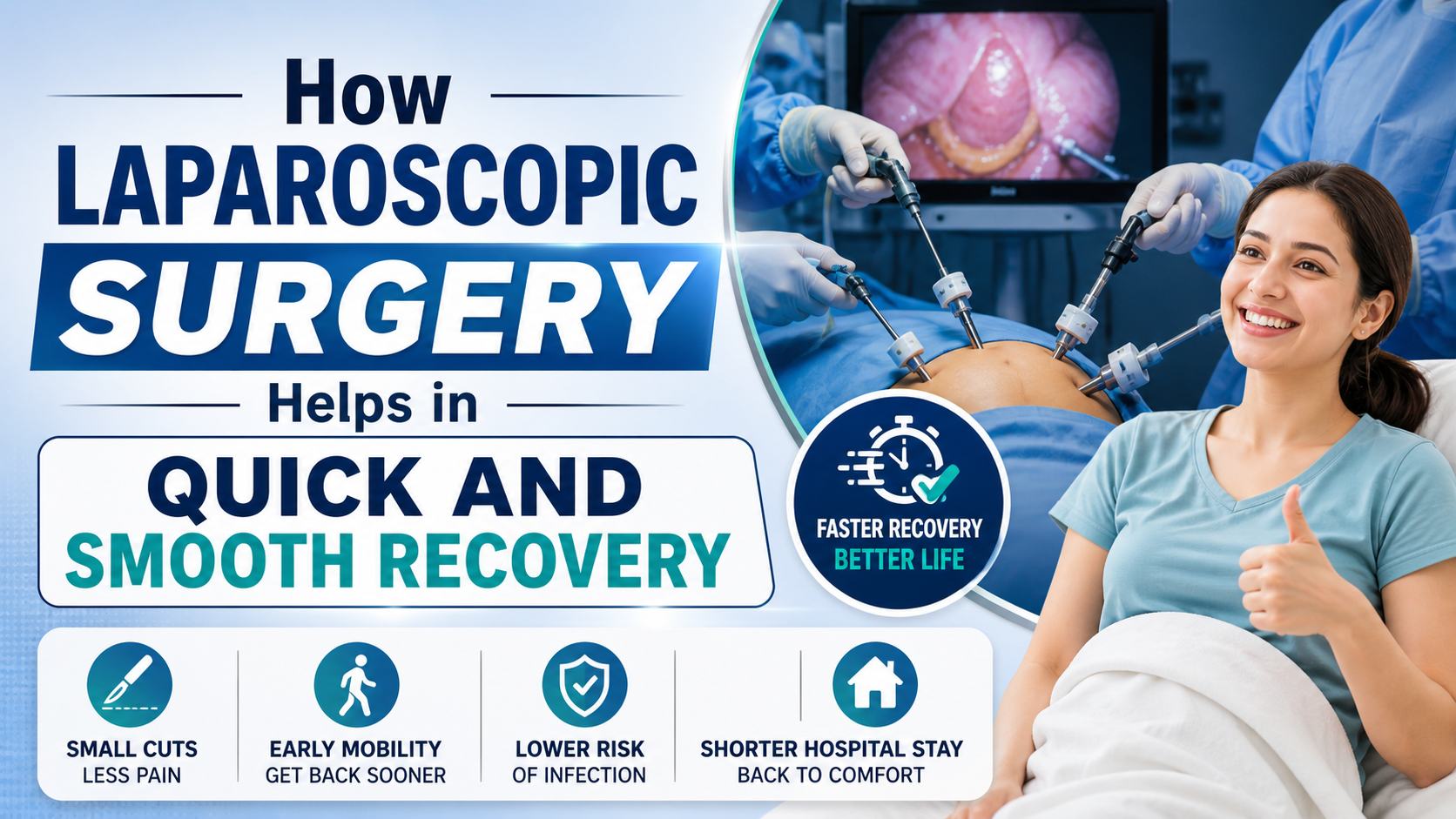
Modern healthcare is moving toward techniques that reduce pain, shorten hospital stays, and help patients return to normal life faster.
One of the biggest advancements in this direction is laparoscopic surgery, a minimally invasive approach that has transformed the way many procedures are performed.
From gallbladder removal to hernia repair, this technique offers clear advantages over traditional open surgery.
If you’re considering a surgical procedure, understanding how this method supports faster recovery can help you make a more confident and informed decision.
What Is Laparoscopic Surgery and How Does It Work?
Laparoscopic surgery is a surgical technique where doctors perform procedures using small incisions instead of large cuts.
A thin tube with a camera (laparoscope) is inserted into the body, allowing the surgeon to view internal organs on a screen and operate with precision.
At a trusted Surgery Hospital in Badshahpur Gurgaon Care, this advanced technique is performed with modern equipment to ensure accuracy and safety.
Because this is a form of minimally invasive surgery, the trauma to surrounding tissues is significantly reduced.
Instead of opening up a large section of the body, surgeons work through tiny entry points, which leads to less damage and quicker healing.
The approach is now widely used for procedures involving the abdomen, pelvis, and even some chest conditions.
As technology improves, more complex surgeries are being performed using this method.
Why Recovery Is Faster Compared to Traditional Surgery
One of the main reasons patients prefer laparoscopic surgery is the significantly shorter surgical recovery time. Traditional surgery often involves large incisions that take weeks or even months to heal fully. In contrast, smaller cuts heal faster and with fewer complications.
The reduced trauma from small incisions means there is less bleeding, less inflammation, and lower risk of infection. This directly contributes to faster recovery, allowing patients to resume daily activities sooner.
Additionally, patients usually experience less pain after surgery, which reduces the need for strong pain medications. This also supports a smoother overall healing process.
The Role of Smaller Incisions in Healing
The use of small incisions is one of the defining features of this technique. These incisions are typically just a few millimeters long, compared to several inches in traditional surgery.
Because of these smaller entry points, the body doesn’t need to repair as much tissue. This results in quicker wound healing and less visible scarring. Many patients find this aspect particularly appealing, especially for procedures where aesthetics matter.
Another benefit is the reduced strain on muscles and surrounding tissues. Since the body experiences less disruption, the overall surgical recovery time becomes shorter and more manageable.
Reduced Pain and Discomfort After Surgery
Pain management plays a crucial role in recovery, and laparoscopic surgery significantly reduces post-operative discomfort. Smaller wounds mean fewer nerve endings are affected, leading to less pain.
Patients undergoing minimally invasive surgery often report mild discomfort rather than severe pain. This allows them to move around sooner, which is essential for preventing complications like blood clots.
Less pain also means fewer medications, reducing the risk of side effects and improving overall well-being during the recovery phase.
Lower Risk of Complications
Every surgical procedure carries some level of risk, but laparoscopic surgery is associated with fewer complications compared to open surgery.
Since the procedure uses small incisions, the chances of infection are much lower. There is also reduced blood loss, which minimizes the need for transfusions.
The precision offered by advanced instruments in minimally invasive surgery allows surgeons to avoid unnecessary damage to surrounding tissues. This reduces the likelihood of complications and supports a smoother recovery process.
Faster Return to Daily Activities
One of the biggest advantages of laparoscopic surgery is how quickly patients can get back to their normal routines. In many cases, individuals can resume light activities within a few days.
Because of the shorter surgical recovery time, patients can return to work sooner, especially if their job is not physically demanding. This is a major benefit for people who cannot afford long downtime.
The concept of faster recovery is not just about healing wounds—it also includes regaining energy, mobility, and overall quality of life.
Shorter Hospital Stay and Better Patient Experience
Hospital stays can be stressful, both physically and emotionally. At a trusted Hospital in Badshahpur Gurgaon, laparoscopic surgery allows many procedures to be performed as day-care surgeries or with only a short hospital stay.
Patients who undergo minimally invasive surgery often go home within 24–48 hours. This reduces hospital-related risks such as infections and allows patients to recover in a more comfortable environment.
Shorter hospitalization also helps lower overall treatment costs, making this option more practical for many patients.
Minimal Scarring and Cosmetic Benefits
Scarring is an important concern for many patients, and laparoscopic surgery addresses this effectively. The use of small incisions results in tiny scars that fade over time.
Unlike traditional surgery, where large scars can be permanent and noticeable, minimally invasive techniques leave minimal marks. This is especially beneficial for younger patients or those concerned about appearance.
The cosmetic advantage adds to the overall satisfaction of patients and enhances their confidence during recovery.
Improved Mobility and Early Movement
Early movement is essential for a smooth recovery, and laparoscopic surgery makes this possible. Because patients experience less pain and discomfort, they can start walking and moving sooner.
Early mobility reduces the risk of complications such as blood clots and improves circulation. It also helps in faster healing and boosts overall recovery outcomes.
In contrast, traditional surgery often requires extended bed rest, which can delay healing and lead to additional health issues.
Better Outcomes for Specific Conditions
Certain medical conditions benefit greatly from laparoscopic surgery. Procedures like gallbladder removal, appendectomy, hernia repair, and gynecological surgeries are commonly performed using this technique.
In these cases, faster recovery is not just a benefit—it becomes a critical factor in improving patient outcomes. The precision of minimally invasive surgery ensures better results with fewer complications.
Patients often report higher satisfaction rates due to quicker healing, reduced pain, and minimal disruption to their daily lives.
Practical Tips for a Smooth Recovery After Surgery
Even though laparoscopic surgery offers many advantages, recovery still requires proper care and attention. Following the right steps can further improve healing and reduce the risk of complications.
Stay hydrated and maintain a balanced diet to support tissue repair. Gentle movement and light walking can help improve circulation and prevent stiffness. Follow your doctor’s instructions regarding medications and wound care.
Avoid heavy lifting or strenuous activities until your doctor advises it is safe. Pay attention to any unusual symptoms such as fever, excessive pain, or swelling, and seek medical advice if needed.
When Is Laparoscopic Surgery the Right Choice?
Not every condition can be treated with this technique, but it is suitable for many common procedures. Your doctor will evaluate factors such as your medical history, the type of condition, and overall health before recommending laparoscopic surgery.
For patients looking to reduce downtime and improve recovery experience, this method is often the preferred choice.
The combination of small incisions, reduced pain, and shorter surgical recovery time makes it highly effective.
Patients considering treatment at a General Surgery Hospital in Badshahpur Gurgaon can especially benefit from this advanced approach.
If you are exploring treatment options, discussing this approach with your healthcare provider can help you understand whether it is right for you.
Quick Takeaway: Why Patients Prefer This Approach
The growing preference for laparoscopic surgery is driven by real, measurable benefits. Patients experience less pain, shorter hospital stays, and quicker healing.
The combination of minimally invasive surgery techniques, reduced tissue damage, and faster healing makes it a reliable option for many procedures.
The focus is not just on treating the condition but also on improving the overall patient experience.
Final Thoughts
Choosing the right surgical method can make a significant difference in your recovery journey. Laparoscopic surgery stands out as a modern solution that prioritizes patient comfort, safety, and efficiency.
With benefits like reduced pain, minimal scarring, and faster recovery, it continues to set a new standard in surgical care.
If you’re considering surgery, understanding these advantages can help you make a more informed decision and prepare for a smoother healing process.
By combining advanced technology with patient-focused care, this approach ensures that recovery is not just quicker—but also easier and more manageable.