Diabetes Management in India: Diet, Medication and Lifestyle Tips That Actually Work

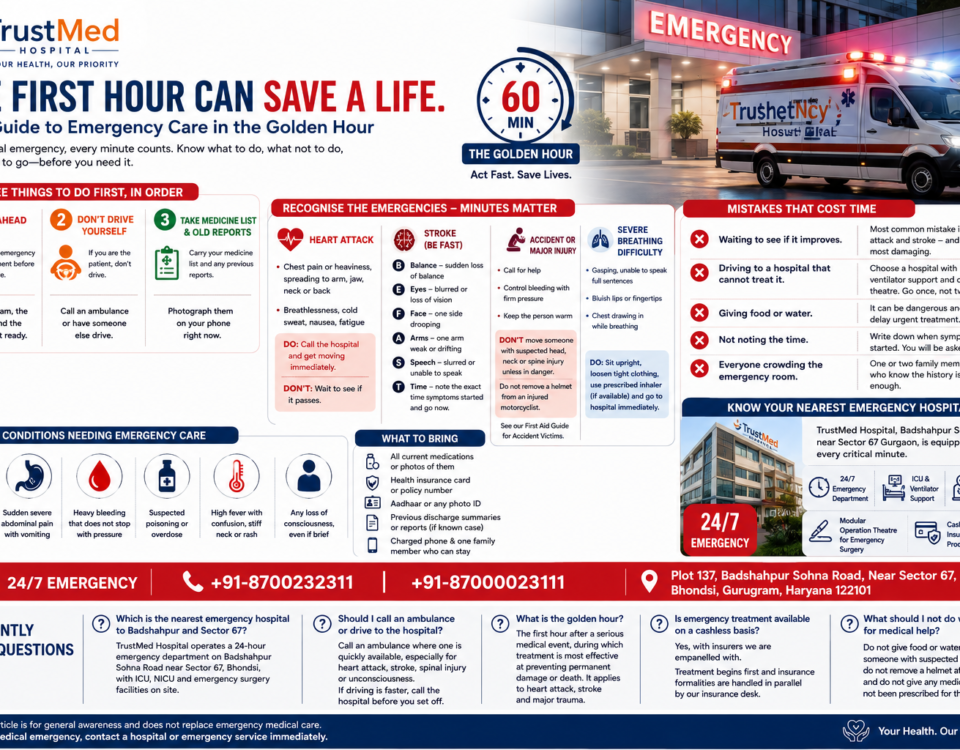
Migraine and Chronic Headaches: Causes, Triggers, and Neurology Treatment Options
September 16, 2026
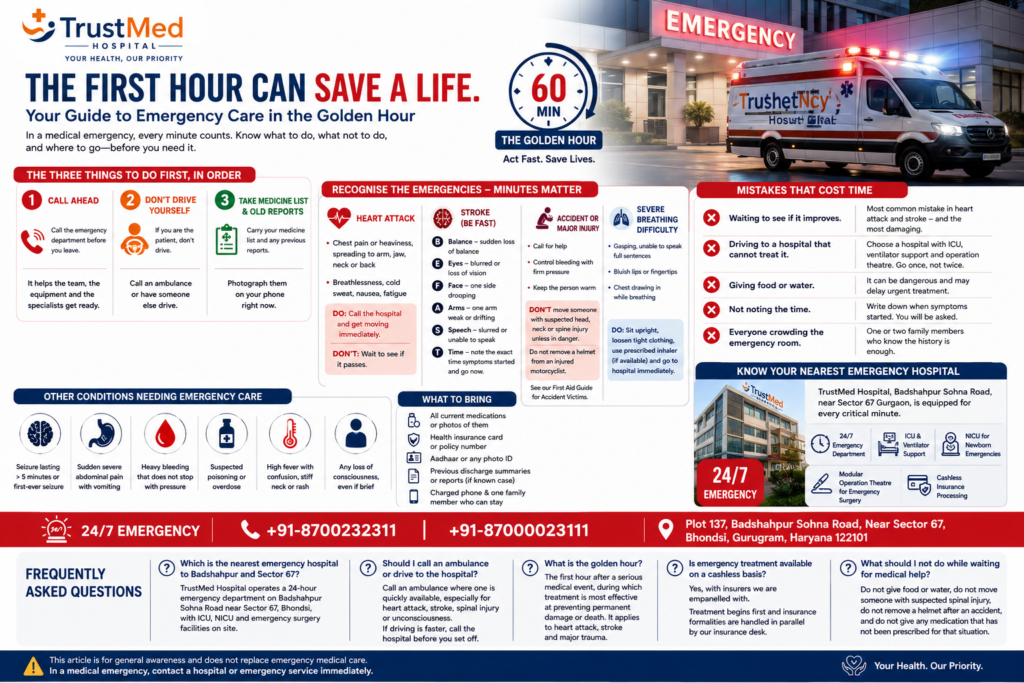
Premature Baby Care in the NICU: A Complete Guide for Parents
September 16, 2026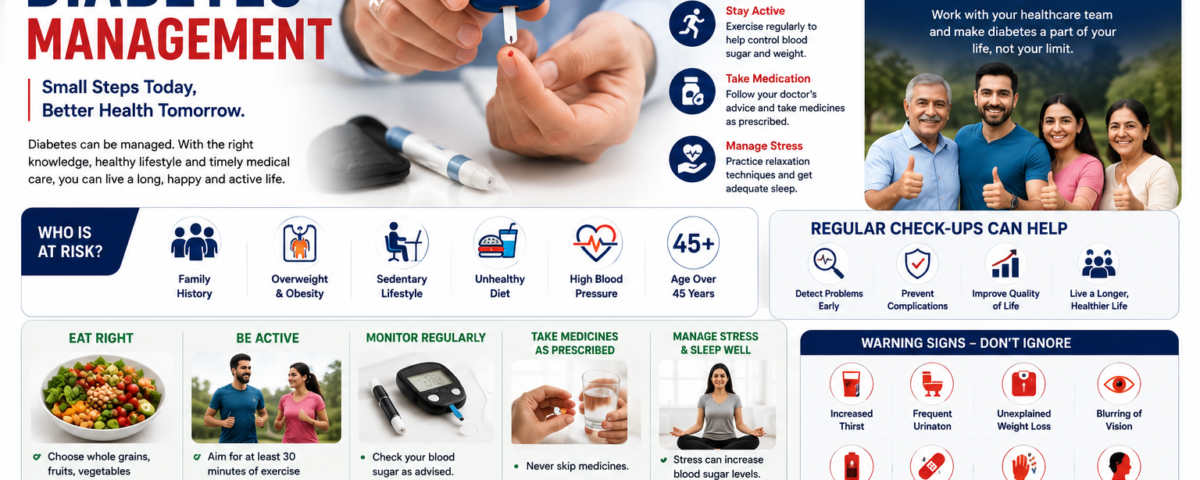
Diabetes is one of those conditions where the diagnosis itself is often less overwhelming than the sheer volume of conflicting advice that follows. Everyone seems to have an opinion — cut all carbs, try this home remedy, walk barefoot on grass, avoid rice entirely. Somewhere in the noise, the actual, evidence-based fundamentals of diabetes management Gurgaon doctors rely on get lost. This guide cuts through that noise and lays out what genuinely helps control blood sugar, based on established medical guidance, for anyone managing diabetes in Gurgaon or anywhere else.

Understanding the Scale of the Problem
Diabetes has become one of the defining health challenges of our time. The WHO reports diabetes as a major cause of blindness, kidney failure, heart attacks, stroke, and lower limb amputation globally when poorly managed, and India carries one of the largest diabetes burdens in the world. The International Diabetes Federation’s Diabetes Atlas consistently ranks India among the countries with the highest number of adults living with diabetes, driven by a combination of genetic predisposition, dietary shifts, and increasingly sedentary urban lifestyles.
Type 1 vs Type 2 Diabetes: Know the Difference
Type 1 diabetes is an autoimmune condition where the body’s immune system attacks the insulin-producing cells in the pancreas, usually diagnosed in childhood or young adulthood. It requires lifelong insulin therapy from diagnosis.
Type 2 diabetes is far more common, accounting for the vast majority of diabetes cases worldwide. It develops when the body becomes resistant to insulin or doesn’t produce enough of it, often connected to weight, diet, and activity levels, though genetics play a significant role too. This is the type most commonly discussed in lifestyle management, and the focus of most of this guide.
There’s also gestational diabetes, which develops during pregnancy and usually resolves after delivery, though it increases the risk of developing type 2 diabetes later in life.
Recognizing the Warning Signs
Type 2 diabetes often develops gradually, and many people live with elevated blood sugar for years before diagnosis. Common symptoms include:
- Increased thirst and frequent urination.
- Unexplained fatigue.
- Blurred vision.
- Slow-healing cuts or wounds.
- Unexplained weight loss (more common in type 1, but can occur in type 2 as well).
- Frequent infections, including skin and urinary infections.
- Tingling or numbness in hands or feet, which can indicate nerve damage from prolonged high blood sugar.
Because early symptoms can be subtle or absent entirely, regular screening matters — which is one of the key reasons doctors recommend regular health checkups to catch blood sugar issues early, well before symptoms become noticeable.
Diagnosis and Monitoring
Diabetes is typically diagnosed through blood tests measuring fasting blood glucose, random blood glucose, or HbA1c (a marker of average blood sugar over the past 2-3 months). HbA1c is particularly useful because it gives a picture of long-term control rather than a single moment in time, and it’s the primary number doctors track to adjust treatment over months and years.
Diet: What Actually Helps
Diet advice for diabetes has become oversimplified into “avoid sugar,” but the reality is more nuanced and considerably more manageable than most people assume.
Practical, Evidence-Based Diet Principles
- Focus on whole grains over refined grains — replacing white rice and refined flour with whole wheat, millets (like ragi, jowar, and bajra), and brown rice helps slow blood sugar spikes.
- Prioritize fiber-rich vegetables — they slow digestion and glucose absorption, helping avoid sharp post-meal spikes.
- Choose lean protein sources — dals, legumes, eggs, fish, and lean poultry help with satiety and have minimal impact on blood sugar.
- Be mindful of portion sizes, not just food type — even healthy carbohydrates raise blood sugar if eaten in excess.
- Limit sugary beverages and processed snacks — these cause the sharpest, fastest blood sugar spikes and offer little nutritional value.
- Spread meals evenly through the day rather than having one large meal, which helps maintain steadier blood sugar levels.
- Healthy fats in moderation — nuts, seeds, and cooking oils used in reasonable quantities support heart health, which is especially important since diabetes significantly raises cardiovascular risk.
A registered dietitian can help translate these principles into an actual Indian meal plan that fits cultural food habits rather than forcing an unsustainable, generic diet.
Physical Activity and Blood Sugar
Exercise is one of the most powerful, and most underused, tools in diabetes management. Physical activity helps muscles use glucose more efficiently, independent of insulin, which directly lowers blood sugar. Guidelines generally recommend:
- At least 150 minutes of moderate-intensity activity per week (brisk walking, cycling, swimming).
- Strength training two to three times a week, since muscle mass improves long-term insulin sensitivity.
- Breaking up long periods of sitting with short walks, especially after meals, which measurably blunts post-meal blood sugar spikes.
Even a 15-20 minute walk after a meal can make a meaningful difference in blood sugar control — a simple habit that’s often more impactful than people expect.
Medication: What to Know
Type 2 diabetes treatment usually follows a stepwise approach, starting with lifestyle changes and, when needed, escalating through different classes of medication based on response, other health conditions, and individual patient factors. Common categories include medications that improve insulin sensitivity, medications that stimulate insulin production, and newer classes that also support weight management and heart health. Some patients with type 2 diabetes eventually need insulin therapy as well, particularly if the condition progresses over time — this isn’t a sign of failure but simply how the disease can evolve, and it’s managed the same way any chronic condition is adjusted over time.
It’s important to never adjust or stop diabetes medication without medical guidance, even if blood sugar readings look good for a while, since this often reflects the medication working rather than the condition resolving.
Diabetes and Related Health Risks
Diabetes rarely exists in isolation, and managing it well often means managing connected conditions too:
- Hypertension — diabetes and high blood pressure frequently occur together, and both damage blood vessels over time. Our guide on hypertension, which often accompanies diabetes, covers how the two conditions interact and why controlling both matters for long-term heart and kidney health.
- Kidney complications — prolonged uncontrolled blood sugar is one of the leading causes of chronic kidney disease. It’s also connected to kidney complications linked to poorly managed diabetes, including a higher risk of kidney stones and infections.
- Cardiovascular disease — diabetes significantly increases the risk of heart attack and stroke, making blood pressure, cholesterol, and blood sugar management a combined priority rather than separate goals.
- Diabetic emergencies — severe blood sugar swings, whether dangerously high (diabetic ketoacidosis) or dangerously low (severe hypoglycemia), can require urgent hospitalization. Our ICU is equipped to manage these acute diabetic emergencies with continuous monitoring when they occur.
Building a Realistic Long-Term Routine
Diabetes management works best as a set of sustainable habits rather than a short-term intervention. Practical ways to build consistency include:
- Testing blood sugar as recommended by your doctor and keeping a simple log to spot patterns.
- Preparing meals at home more often, which gives far more control over ingredients and portion sizes than eating out frequently.
- Building a support system — family involvement in dietary changes tends to significantly improve long-term adherence.
- Scheduling regular follow-ups rather than only seeing a doctor when something feels wrong, since diabetes is often silent even when poorly controlled.
- Getting adequate sleep, since poor sleep is linked to worse blood sugar control.
Indian resources like the Research Society for the Study of Diabetes in India (RSSDI) and guidelines published through the Indian Council of Medical Research (ICMR) and the CDC’s diabetes resource hub can provide additional patient education tailored to different stages of the condition.
When to See a Doctor for Diabetes Management Gurgaon Style
If you have risk factors for diabetes — a family history, being overweight, a sedentary lifestyle, or a history of gestational diabetes — it’s worth getting screened even without symptoms. If you’re already diagnosed and notice worsening symptoms, unexplained weight changes, vision changes, or wounds that aren’t healing, don’t wait for your next scheduled appointment. Our medicine department provides ongoing diabetes management, from initial diagnosis through long-term monitoring and adjustment of treatment as needed.
Frequently Asked Questions
Can type 2 diabetes be reversed?
For some people, especially those diagnosed early and able to make significant lifestyle changes, blood sugar can be brought into a normal range without medication — often referred to as remission. This isn’t guaranteed for everyone and typically requires sustained effort and medical supervision, but it demonstrates why early diagnosis and lifestyle intervention matter so much.
Is fruit off-limits for diabetics?
No — most fruits, eaten in reasonable portions, are perfectly fine and provide valuable fiber and nutrients. Very high-sugar fruits and fruit juices (which lack fiber) should be consumed more mindfully, but whole fruit in moderation is generally encouraged, not avoided.
Do I need insulin if I have type 2 diabetes?
Not necessarily, and definitely not immediately for most people. Many people manage type 2 diabetes for years with lifestyle changes and oral medications. Insulin becomes necessary for some patients as the condition progresses, but it’s just one tool among several, not a last resort to be feared.
How often should blood sugar be checked?
This depends on the type of diabetes, treatment plan, and how well-controlled it currently is. Your doctor will recommend a testing schedule specific to your situation, ranging from several times a day to periodic HbA1c checks every few months.
Managing diabetes well is entirely possible with the right information and consistent support — it just requires moving past oversimplified advice toward a plan built around your actual life and health profile. Effective diabetes management Gurgaon families can trust starts with the right medical partner. Speak with our medicine specialists at TrustMed Hospital to build a diabetes management plan that fits you.