Migraine and Chronic Headaches: Causes, Triggers, and Neurology Treatment Options

Normal Delivery vs C-Section: What Every Expecting Mother Should Know
September 16, 2026
Diabetes Management in India: Diet, Medication and Lifestyle Tips That Actually Work
September 16, 2026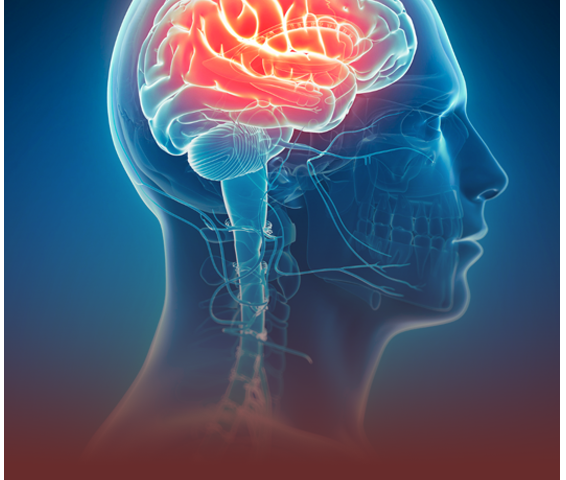
Almost everyone gets an occasional headache, which is exactly why chronic headache disorders are so often dismissed — by patients themselves and sometimes by the people around them. “Just take a painkiller and rest” works for an occasional tension headache, but it doesn’t work for someone dealing with migraines several times a month, each one wiping out an entire day. If you’re searching for migraine treatment Gurgaon options because over-the-counter medication has stopped being enough, this guide explains what’s actually happening in the brain during a migraine, how to tell it apart from other headache types, and what real treatment looks like.
How Common Is This Problem, Really?
Headache disorders are far more widespread than most people realize. The World Health Organization identifies headache disorders as among the most common disorders of the nervous system, affecting a significant percentage of the global adult population at some point each year, with migraine specifically being one of the leading causes of disability worldwide, especially among people of working age. Despite this, headache disorders remain widely underdiagnosed and undertreated, partly because people normalize the pain rather than seeking a proper evaluation.
Migraine vs. Tension Headache vs. Other Types
Not all headaches are the same, and treatment depends heavily on getting the type right.
Tension Headaches
The most common headache type, usually described as a dull, constant pressure or tightness around the head, like a band squeezing the scalp. It’s often linked to stress, poor posture, eye strain, or muscle tension in the neck and shoulders. Tension headaches typically respond well to rest, hydration, and over-the-counter pain relief.
Migraine
Migraine is a distinct neurological condition, not just “a bad headache.” According to the Mayo Clinic’s overview of migraine, it typically involves:
- Throbbing or pulsing pain, usually on one side of the head.
- Sensitivity to light, sound, and sometimes smell.
- Nausea or vomiting during an attack.
- Visual disturbances (aura) in some patients — flashing lights, zigzag lines, or blind spots before the headache begins.
- Attacks lasting anywhere from 4 hours to 3 days if untreated.
Cluster Headaches
Less common but far more intense, these occur in cyclical patterns or “clusters,” often around one eye, and can wake people from sleep. They require specific treatment approaches different from both tension headaches and migraines.
Secondary Headaches
Sometimes a headache is a symptom of an underlying issue — high blood pressure, sinus infection, vision problems, or in rare but serious cases, a warning sign of a stroke or other neurological emergency. This is why sudden, severe, “worst headache of my life” pain always needs urgent evaluation.
What Triggers a Migraine?
Migraines are highly individual, and triggers vary from person to person, but the most commonly reported include:
- Hormonal changes — many women notice migraines linked to their menstrual cycle.
- Stress — both acute stress and the “letdown” period after stress (like weekend migraines after a stressful work week).
- Sleep disruption — both too little and too much sleep can trigger attacks.
- Certain foods and drinks — aged cheese, processed meats, alcohol (especially red wine), and excessive caffeine or caffeine withdrawal.
- Sensory stimuli — bright or flickering lights, strong smells, and loud noises.
- Weather changes — shifts in barometric pressure are a commonly reported trigger.
- Dehydration and skipped meals.
Keeping a headache diary — noting what you ate, your sleep, stress levels, and menstrual cycle alongside when attacks occur — is one of the most useful tools for identifying personal triggers, and doctors often ask patients to bring this to their first neurology appointment.
When a Headache Needs Urgent Medical Attention
While most headaches aren’t dangerous, certain warning signs mean you should seek care immediately rather than waiting it out:
- A sudden, extremely severe headache unlike any you’ve had before.
- Headache accompanied by confusion, slurred speech, weakness, or numbness on one side of the body.
- Headache following a head injury.
- Headache with a stiff neck and fever.
- Vision loss or double vision alongside the headache.
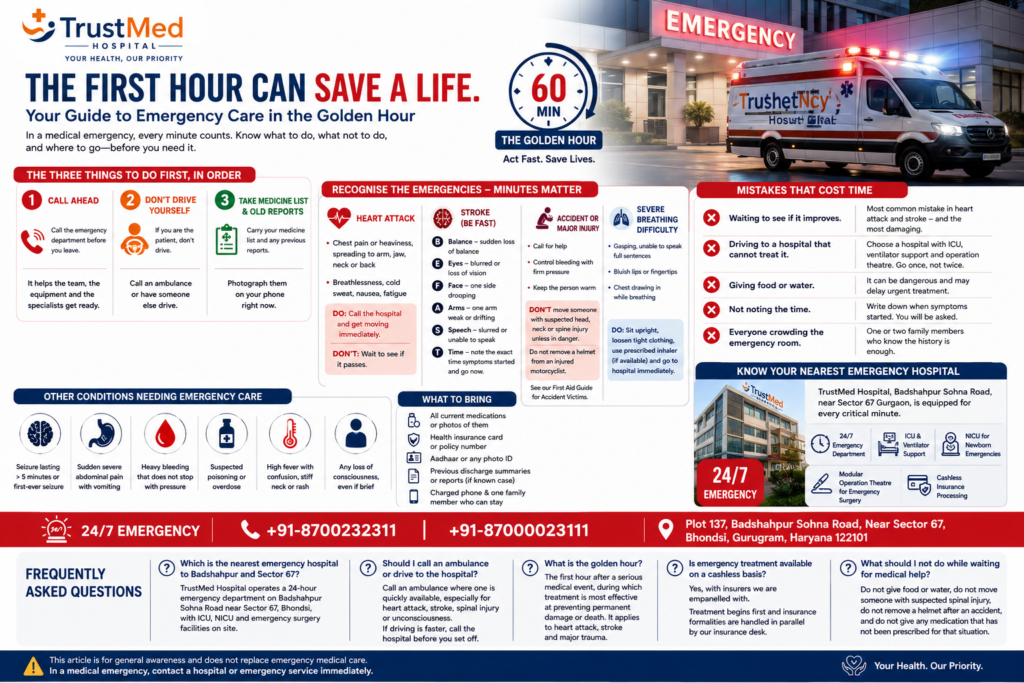
These can be signs of a neurological emergency, similar to the warning signs described in our guide on why every minute matters in medical emergencies — a headache is sometimes the first noticeable symptom before more serious signs develop.
How Neurologists Diagnose Chronic Headaches
Diagnosis typically starts with a detailed history — frequency, duration, location, triggers, and associated symptoms — since this alone often distinguishes migraine from tension-type or cluster headaches. A physical and neurological exam checks for any underlying issues. Imaging like an MRI or CT scan isn’t always necessary but may be ordered if the headache pattern is unusual, sudden in onset, or accompanied by other neurological symptoms, to rule out structural causes.
Migraine Treatment Gurgaon Neurologists Recommend
Treatment generally falls into two categories: managing individual attacks and preventing future ones.
Acute (Abortive) Treatment
Used at the first sign of an attack to stop or reduce its severity:
- Over-the-counter pain relievers for milder attacks.
- Triptans — a class of medication specifically designed to target migraine mechanisms, often far more effective than general painkillers.
- Anti-nausea medication when vomiting accompanies the migraine.
Preventive Treatment
Recommended for people having frequent or severe attacks (generally more than 4 migraine days a month):
- Daily preventive medications, including certain blood pressure medications, antidepressants, and anti-seizure drugs shown to reduce migraine frequency.
- Newer targeted therapies designed specifically for migraine prevention.
- Lifestyle-based prevention: consistent sleep schedules, regular meals, hydration, and stress management.
Managing Underlying Contributing Conditions
Sometimes chronic headaches are worsened by an untreated related condition. For instance, our page on high blood pressure, a common headache trigger, explains how uncontrolled hypertension can contribute to headache frequency and severity, making blood pressure management an important part of a complete treatment plan for some patients.
Non-Medication Approaches
- Cognitive behavioral therapy and stress management techniques.
- Regular physical activity, which has been shown to reduce migraine frequency for many patients.
- Avoiding known dietary and environmental triggers once identified.
Why Seeing a Neurologist Matters
Many people manage chronic headaches for years with over-the-counter medication alone, not realizing this can actually make things worse through a phenomenon called medication-overuse headache, where frequent painkiller use paradoxically increases headache frequency. A proper evaluation by our neurology department helps identify the exact headache type, rule out any underlying cause, and build a treatment plan that addresses the root pattern rather than just masking symptoms attack after attack, following diagnostic approaches recommended by professional bodies such as the Indian Academy of Neurology.
Our broader general medicine team also works alongside neurology when headaches are connected to other health conditions, ensuring a coordinated approach rather than treating symptoms in isolation.
Living With Migraine: Practical Day-to-Day Tips
- Stick to a consistent sleep and meal schedule, even on weekends.
- Stay well hydrated throughout the day.
- Limit caffeine intake and keep it consistent rather than sporadic.
- Manage stress proactively rather than only reacting once a migraine starts.
- Keep acute medication accessible and take it early in an attack, when it tends to work best.
- Track your patterns using a headache diary or app to share concrete data with your doctor.
Organizations like the American Migraine Foundation and the NHS’s migraine resource offer additional patient education tools that can help you understand your own patterns better between doctor visits.
Frequently Asked Questions
Is migraine a lifelong condition?
For many people, yes, though frequency and severity often change over time — sometimes improving with age, hormonal changes, or effective treatment. The goal of treatment is usually management rather than a permanent cure.
Can children get migraines?
Yes, migraines can occur in children and adolescents, sometimes presenting differently than in adults, including shorter attack duration and more prominent stomach symptoms.
Do all migraines involve an aura?
No — most people with migraine never experience aura. It’s a distinct subtype that affects only a portion of migraine patients.
Can lifestyle changes alone control migraines?
For some people with mild, infrequent attacks, yes. For others with frequent or severe migraines, lifestyle changes are an important complement to medical treatment rather than a replacement for it.
If headaches are becoming a recurring disruption in your life, it’s worth getting a proper neurological evaluation rather than continuing to manage it alone. The right migraine treatment Gurgaon patients can access starts with an accurate diagnosis. Consult a neurologist at TrustMed Hospital, Badshahpur, Gurgaon, to get a treatment plan built around your specific headache pattern.