Recognizing a Stroke: The FAST Method and Why Every Minute Matters

Kidney Stones: Symptoms, Causes, and When to See a Urologist
August 5, 2026
Monsoon Illnesses: Common Infections and How to Stay Protected
August 5, 2026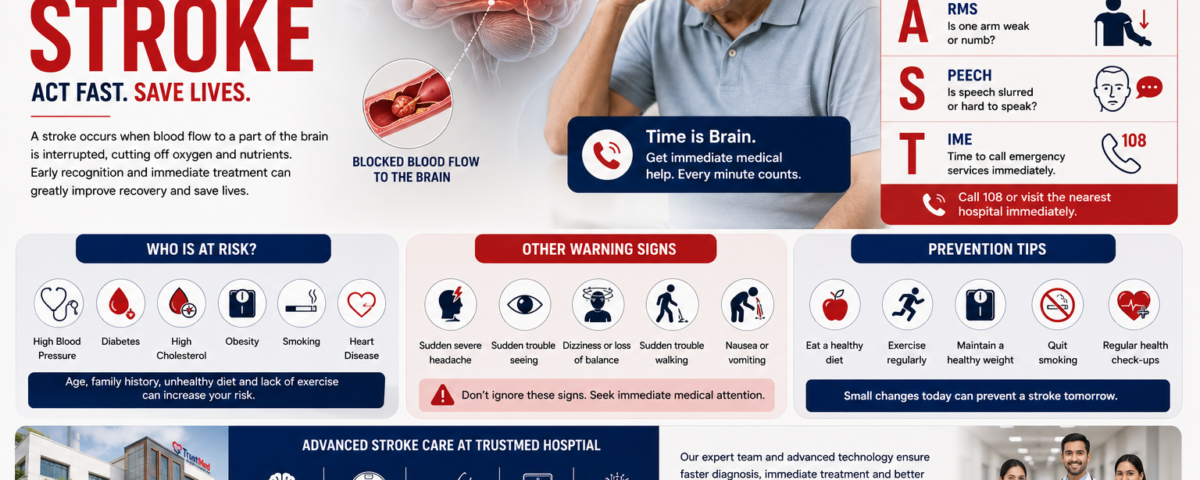
A stroke can happen without warning, yet recognizing stroke symptoms within the first few minutes can mean the difference between full recovery and permanent disability. In Gurgaon and Badshahpur, where traffic and distance can delay hospital arrival, understanding the warning signs and acting fast is more important than ever. This guide walks through how to recognize stroke symptoms using the FAST method, what happens in the brain during an attack, and the steps you can take to lower your risk.
What Happens During a Stroke?
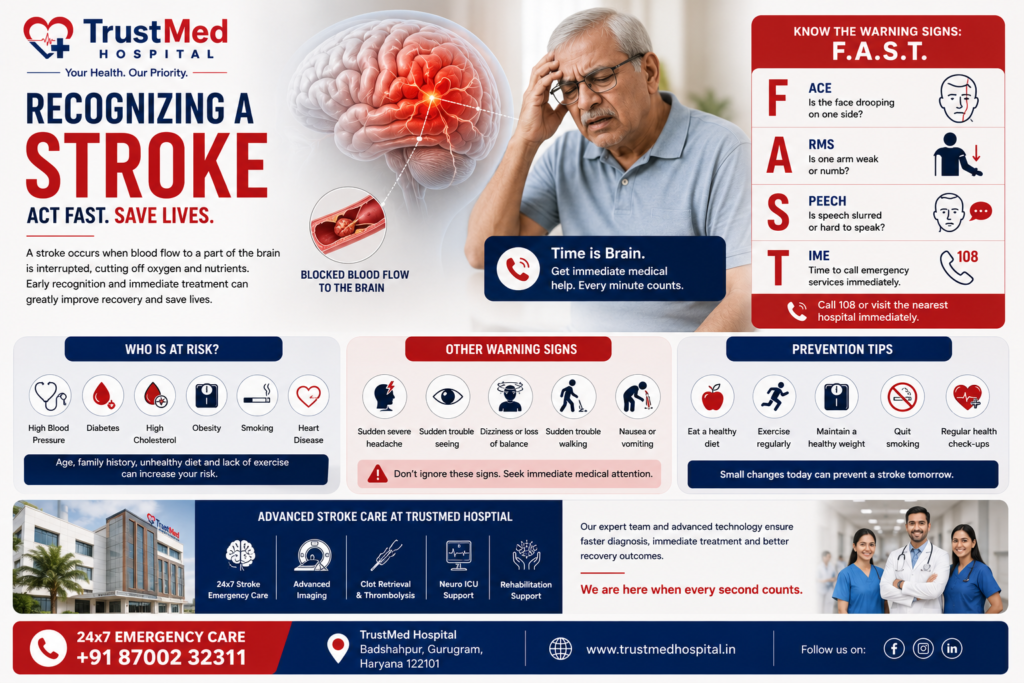
A stroke occurs when blood supply to part of the brain is suddenly interrupted or reduced, cutting off oxygen and nutrients to brain cells. Without blood flow, brain cells begin to die within minutes, which is why this is always treated as a medical emergency. The longer treatment is delayed, the more brain tissue can be affected, making early recognition of stroke symptoms absolutely critical.
Recognizing Stroke Symptoms: The FAST Method
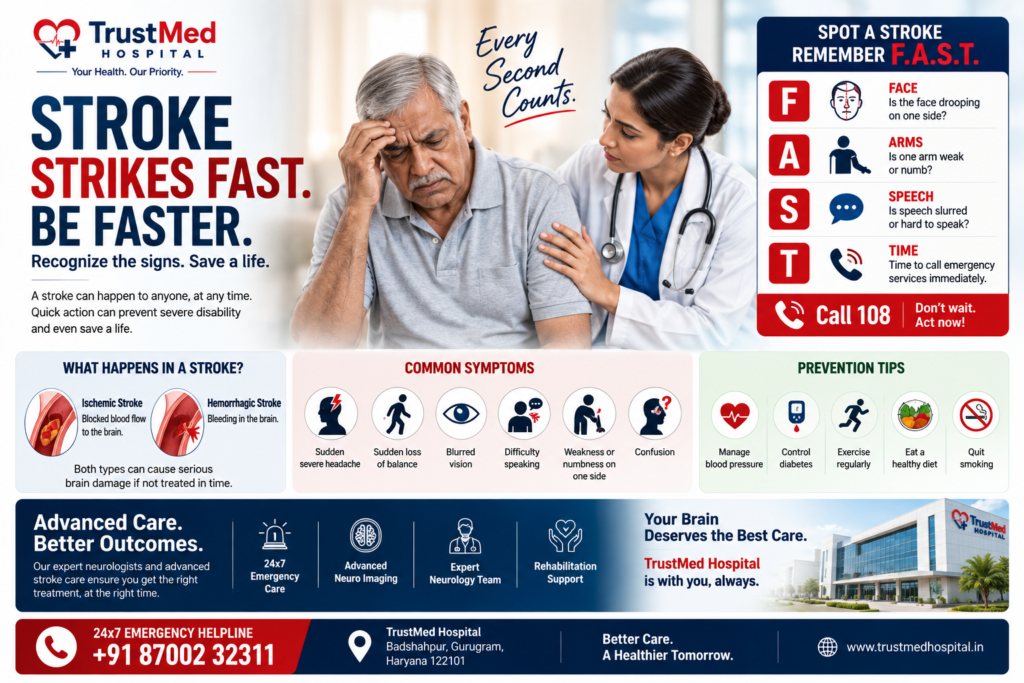
The FAST method is a simple way to remember the most common warning signs. Face drooping on one side when the person tries to smile, Arm weakness or numbness that causes one arm to drift downward when raised, Speech difficulty such as slurred or confused speech, and Time to call for emergency help immediately if any of these signs appear. Memorizing this simple checklist can help you act quickly when it matters most.
Other Stroke Symptoms to Watch For
Beyond the FAST checklist, other possible signs include sudden confusion, trouble understanding speech, trouble seeing in one or both eyes, dizziness, loss of balance or coordination, and a severe headache with no known cause. These can appear suddenly and may be mistaken for something minor, which is why awareness of every possible stroke symptom matters, not just the most common ones.
Types of Stroke: Ischemic, Hemorrhagic, and TIA
Most cases are ischemic, caused by a blood clot blocking an artery that supplies the brain. A hemorrhagic event happens when a blood vessel in the brain ruptures and bleeds into surrounding tissue, and tends to be more severe. A transient ischemic attack, sometimes called a mini-stroke, produces temporary warning signs that resolve within minutes to hours but should never be ignored, since it often signals a full attack may follow soon after. Identifying which type has occurred helps doctors choose the safest and most effective treatment.
Why Every Minute Matters: The Golden Hour
Doctors often refer to the first hour after symptoms begin as the golden hour, since prompt treatment during this window can significantly limit brain damage and improve the chances of recovery. Clot-dissolving medication and other time-sensitive treatments are most effective when given quickly, and their benefit drops sharply with every passing hour. This is why it is critical to reach a hospital with emergency neurological care as fast as possible rather than waiting to see if things improve on their own.
Stroke Risk Factors You Can Control
Common risk factors include high blood pressure, high cholesterol, smoking, obesity, and a sedentary lifestyle. High blood pressure alone is considered the single biggest controllable risk factor, since it gradually damages artery walls throughout the body, including those that supply the brain. Managing these conditions with the help of a physician, eating a balanced diet, staying active, and getting regular checkups can meaningfully lower your long-term risk.
Stroke and Heart Disease: A Close Connection
The same underlying issues that damage the heart, high blood pressure, high cholesterol, and clogged arteries, also raise the risk of a brain attack. People with heart disease, particularly irregular heart rhythms such as atrial fibrillation, face a significantly higher risk. If you experience chest discomfort or palpitations alongside any neurological symptoms, it is worth reading our guide on early warning signs of heart disease to understand the overlap between these two conditions.
Stroke and Diabetes: Understanding the Link
Diabetes roughly doubles the risk of a brain attack, since high blood sugar contributes to the narrowing and hardening of arteries over time. Keeping blood sugar levels within a healthy range is one of the most effective ways to protect long-term brain health. Our detailed guide on diabetes management, diet, and exercise tips explains practical strategies that also help lower this risk.
Emergency Care: What to Do in Badshahpur and Gurgaon
If you notice any of the FAST warning signs, call for emergency help immediately rather than driving yourself or waiting to see if things improve. Note the exact time symptoms began, as this information helps doctors determine which treatments are safe to use. For a broader overview of what to do in the critical first hour of any medical emergency, see our guide on medical emergencies in Badshahpur.
Life After a Stroke: Recovery and Rehabilitation
Recovery looks different for everyone, depending on which part of the brain was affected and how quickly treatment began. Rehabilitation often includes physiotherapy to rebuild strength and coordination, speech therapy for communication difficulties, and occupational therapy to help with daily activities. Family support plays a major role during this period, and many patients continue to see meaningful improvement for months after the initial event, especially with consistent therapy and follow-up care.
Preventing a Stroke: Lifestyle Changes That Help
Simple lifestyle changes can meaningfully lower your risk. Eating a diet rich in vegetables, fruits, and whole grains while limiting salt and saturated fat helps protect blood vessels throughout the body. Regular physical activity, maintaining a healthy weight, quitting smoking, and limiting alcohol intake all contribute to healthier arteries. Managing stress and getting enough quality sleep are often overlooked but genuinely important parts of long-term prevention.
Preventive Checkups and Long-Term Brain Health
Routine checkups that track blood pressure, cholesterol, and blood sugar can catch warning signs long before a medical emergency occurs. To understand what a complete preventive checkup typically includes and how often you should schedule one, take a look at our guide on why annual health checkups matter.
Stroke Warning Signs in Women
While the FAST checklist applies to everyone, women sometimes experience additional or less typical signs that can delay recognition. These may include sudden hiccups, nausea, general weakness, chest pain, shortness of breath, or a sudden change in mental state. Because these symptoms overlap with other conditions, they are sometimes mistaken for anxiety or fatigue rather than a neurological emergency. Being aware of this wider range of symptoms is especially important for women and their families.
Supporting a Loved One During Recovery
Caring for a family member afterward can be physically and emotionally demanding. Encouraging attendance at all rehabilitation sessions, helping track medications, and creating a safe home environment with reduced fall hazards all support a smoother recovery. Equally important is emotional support, since many survivors experience frustration, anxiety, or depression during the adjustment period. Connecting with a support group or counselor, alongside consistent medical follow-up, can make a meaningful difference for both patients and caregivers.
Stroke Statistics and Why Awareness Matters in India
Cases have been rising steadily across India, partly due to increasing rates of high blood pressure, diabetes, and sedentary lifestyles in urban areas like Gurgaon. Public awareness of the FAST warning signs remains low compared to more familiar emergencies like heart attacks, which often leads to delays in seeking treatment. Community education, workplace wellness programs, and simple household awareness of these warning signs can meaningfully improve early treatment rates and outcomes.
Frequently Asked Questions
Can a stroke happen at any age?
While risk increases significantly after age 55, it can happen at any age, including in children and young adults, especially those with underlying heart conditions, clotting disorders, or uncontrolled blood pressure. Anyone, regardless of age, should learn the FAST warning signs.
How can I tell the difference between a mini-stroke and a full one?
A transient ischemic attack produces the same stroke symptoms but they typically resolve within minutes to a few hours without lasting damage. However, since there is no way to know in the moment whether symptoms will resolve, every case should be treated as a medical emergency and evaluated immediately.
What should I do while waiting for the ambulance?
Keep the person calm and lying down with their head slightly elevated, note the time symptoms started, do not give them food, water, or medication, and stay with them until emergency help arrives.
Conclusion: Learn the Signs, Save a Life
Recognizing stroke symptoms quickly and acting within the golden hour can dramatically improve outcomes and reduce long-term disability. According to the World Health Organization, it remains one of the leading causes of death and disability worldwide, making awareness and prevention essential. For additional clinical detail, the Mayo Clinic’s overview is a helpful resource. By learning the FAST method, managing risk factors, and scheduling regular checkups, you can protect yourself and your loved ones. The emergency and neurology team at Trustmed Hospital in Gurgaon and Badshahpur is available around the clock for urgent care.