
How Much Water Intake for Kids Is Right for Summer Season?

6 Warning Heart Attack Symptoms You Should Never Ignore
April 20, 2026
Heart Attack First Aid Tips: You Should Never Ignore in Emergencies
April 23, 2026
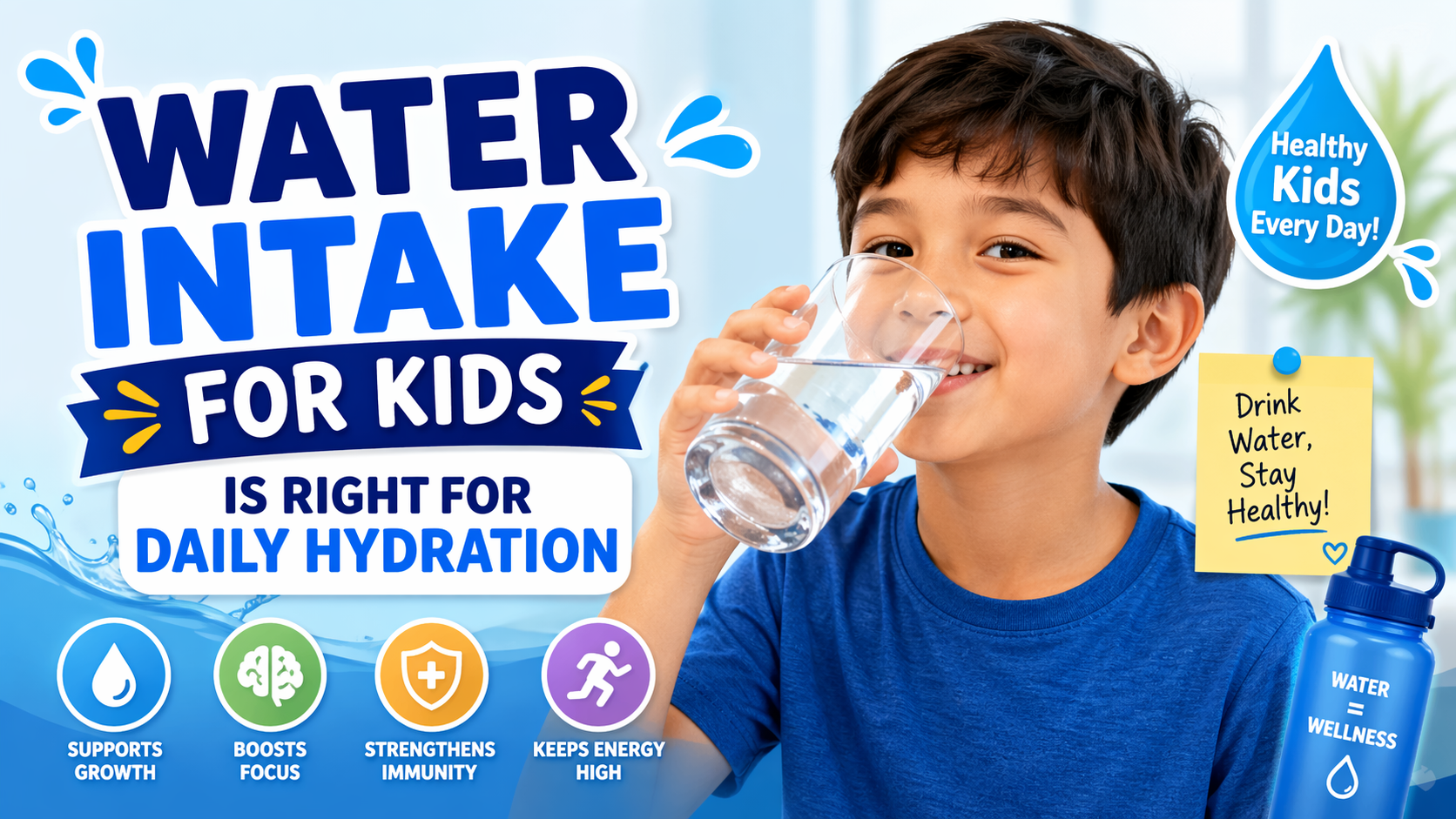
When temperatures rise, keeping children properly hydrated becomes a real concern, not just a routine habit. Parents often underestimate how quickly kids can lose fluids in hot weather, especially when they’re active outdoors.
Understanding the right Water Intake for Kids during summer isn’t just about giving them more water—it’s about giving the right amount, at the right time, and in the right way.
This guide breaks down exactly how much water kids need, how to spot trouble early with help from the best pediatrician in badshahpur, and what you can practically do to keep them healthy all summer long.
Water intake for kids: What You Should Know
Understanding water intake for kids properly, rather than relying on assumptions, is what actually keeps people safe and helps them get the right care at the right time. The World Health Organization publishes guidance on this topic that supports the approach we follow at TrustMed Hospital.
Why Hydration Matters More in Summer
Children are more vulnerable to dehydration than adults. Their bodies heat up faster, and they don’t always recognize thirst early enough.
During summer, excessive sweating leads to loss of fluids and essential minerals, affecting energy, focus, and even digestion.
This is where understanding Water Intake for Kids becomes crucial. It’s not just about avoiding thirst—it’s about supporting overall body function, from brain activity to temperature regulation.
Good hydration also supports proper Electrolyte balance, which helps maintain muscle function and prevents fatigue.
Without it, even mild dehydration can lead to irritability and reduced activity levels.
How Much Water Do Kids Actually Need?
The ideal Water Intake for Kids depends on age, activity level, and weather conditions. Here’s a practical breakdown:
- Toddlers (1–3 years): Around 1–1.3 liters per day
- Kids (4–8 years): Around 1.3–1.7 liters per day
- Older children (9–13 years): 1.7–2.4 liters per day
- Teenagers: Up to 2.5–3 liters depending on activity
But here’s the catch—these are baseline numbers. During summer, especially in hot regions, kids may need 20–30% more fluids.
Instead of forcing large quantities at once, focus on consistent intake throughout the day.
This approach improves Child hydration and prevents sudden fluid imbalance.
Signs Your Child Isn’t Drinking Enough
Most parents wait until their child says “I’m thirsty.” That’s already late. Thirst is actually a delayed signal.
Here are some early Signs of dehydration you should watch for:
- Dry lips or mouth
- Reduced urine frequency
- Dark yellow urine
- Unusual tiredness
- Headaches or dizziness
If these symptoms worsen, dehydration can become serious. Recognizing these Signs of dehydration early allows you to act before it affects your child’s health.
Beyond Water: What Else Helps Hydration?
Water is essential, but it’s not the only way to hydrate your child. Many parents ignore the role of food in hydration.
Including Hydrating foods for kids can significantly boost fluid intake without resistance. Foods like watermelon, cucumber, oranges, and yogurt contain high water content and are easier to consume.
This also helps maintain Electrolyte balance, especially when kids are sweating heavily. Natural sources are always better than sugary drinks, which can actually worsen dehydration.
The Role of Electrolytes in Summer Hydration
When kids sweat, they don’t just lose water—they lose sodium, potassium, and other minerals. This directly impacts Electrolyte balance, which is essential for nerve signals, muscle function, and hydration efficiency.
If your child is playing outdoors for long hours, plain water might not be enough. Adding natural options like coconut water, lemon water with a pinch of salt, or homemade drinks can help restore Electrolyte balance without artificial additives.
Ignoring this aspect can lead to fatigue, cramps, and poor recovery after physical activity.
Smart Hydration Habits for Kids
Instead of forcing Water Intake for Kids, build habits that make hydration natural.
Encourage your child to drink small amounts regularly. Keep a water bottle accessible at all times. Kids are more likely to drink when it’s within reach.
Make hydration fun—colorful bottles, infused water with fruits, or even setting reminders can help.
These small steps improve Child hydration without making it feel like a task.
Also, teach kids to drink water:
- After waking up
- Before and after outdoor play
- During meals
- Before bedtime
This routine ensures steady Water Intake for Kids without overload.
Best Hydrating Foods for Kids in Summer
Food plays a bigger role than most parents realize. Including Hydrating foods for kids can reduce the dependency on plain water alone.
Some excellent options include:
- Watermelon (over 90% water)
- Cucumber
- Strawberries
- Coconut water
- Buttermilk
- Oranges
These not only provide hydration but also help maintain Electrolyte balance naturally.
Adding these foods daily improves Child hydration and makes summer diets more refreshing and nutritious.
When Water Intake for Kids Is Not Enough
There are situations where normal hydration isn’t sufficient—like fever, diarrhea, or excessive sweating.
In such cases, oral rehydration solutions (ORS) may be required. They help restore fluids quickly while correcting Electrolyte balance.
If your child shows persistent Signs of dehydration, such as extreme lethargy or very low urine output, don’t delay medical attention.
Common Mistakes Parents Make
Let’s be honest—most hydration issues happen because of simple mistakes.
One major mistake is relying on sugary drinks instead of water. These can increase fluid loss and disrupt Electrolyte balance.
Another issue is waiting for thirst signals instead of proactive hydration.
Parents also often overlook Hydrating foods for kids, missing an easy way to improve fluid intake.
And lastly, forcing too much water at once can backfire. Kids resist it, making hydration harder.
Understanding these mistakes helps you maintain proper Water Intake for Kids without unnecessary struggle.
How to Build a Summer Hydration Routine
Consistency matters more than quantity. A structured routine ensures your child stays hydrated without reminders every hour.
Start the day with a glass of water. Include fluids with every meal. Offer fruits as snacks. Keep hydration frequent but light.
This method supports steady Child hydration and reduces the risk of dehydration.
You can also track your child’s urine color as a simple indicator—light yellow usually means good hydration.
Special Considerations for Active Kids
If your child is involved in sports or outdoor activities, their hydration needs increase significantly.
Sweat loss is higher, which means both water and minerals are lost faster. This makes Electrolyte balance even more important.
Ensure your child drinks water before, during, and after activity. Combine this with Hydrating foods for kids to maintain energy levels.
Ignoring this can quickly lead to fatigue and visible Signs of dehydration.
Hydration Tips That Actually Work
Instead of overcomplicating things, focus on what works in real life:
- Keep water visible and accessible
- Use fruits as snacks instead of packaged food
- Offer fluids regularly, not just when asked
- Avoid sugary drinks as primary hydration sources
- Educate kids about why hydration matters
These simple strategies improve Water Intake for Kids naturally and sustainably.
When to Be Concerned
Sometimes dehydration isn’t obvious. If your child shows repeated Signs of dehydration, even after regular fluid intake, it may indicate underlying issues.
Watch out for:
- Persistent fatigue
- Dry skin
- Sunken eyes
- Rapid heartbeat
In such cases, consult a healthcare professional immediately.
Quick Takeaway for Parents
Getting Water Intake for Kids right in summer isn’t complicated—but it does require attention.
Focus on consistency, include Hydrating foods for kids, and monitor early Signs of dehydration. Don’t ignore the importance of Electrolyte balance, especially during active days.
Most importantly, build habits—not pressure. Kids respond better to routine than force.
Final Thoughts
Hydration isn’t just about preventing thirst—it’s about supporting your child’s overall health, energy, and well-being during the hottest months of the year.
By understanding the right Water Intake for Kids, encouraging smart hydration habits, and including natural fluid sources, you can ensure your child stays active, healthy, and comfortable all summer long.
If you ever notice signs of dehydration or need expert guidance, consulting a trusted Hospital in Badshahpur Gurgaon can help you manage your child’s hydration and overall health effectively.