Sleep Disorders & Insomnia: 6 Causes, Symptoms & Treatment Options
How to Boost Immunity Naturally: 7 Expert Tips for Better Health
September 14, 2026
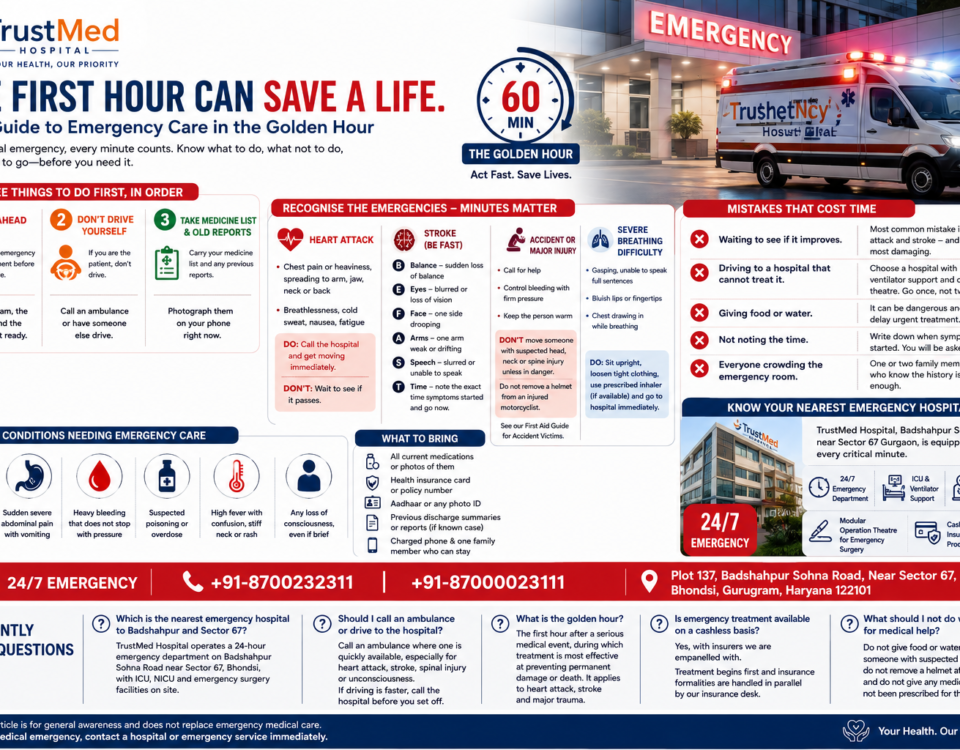
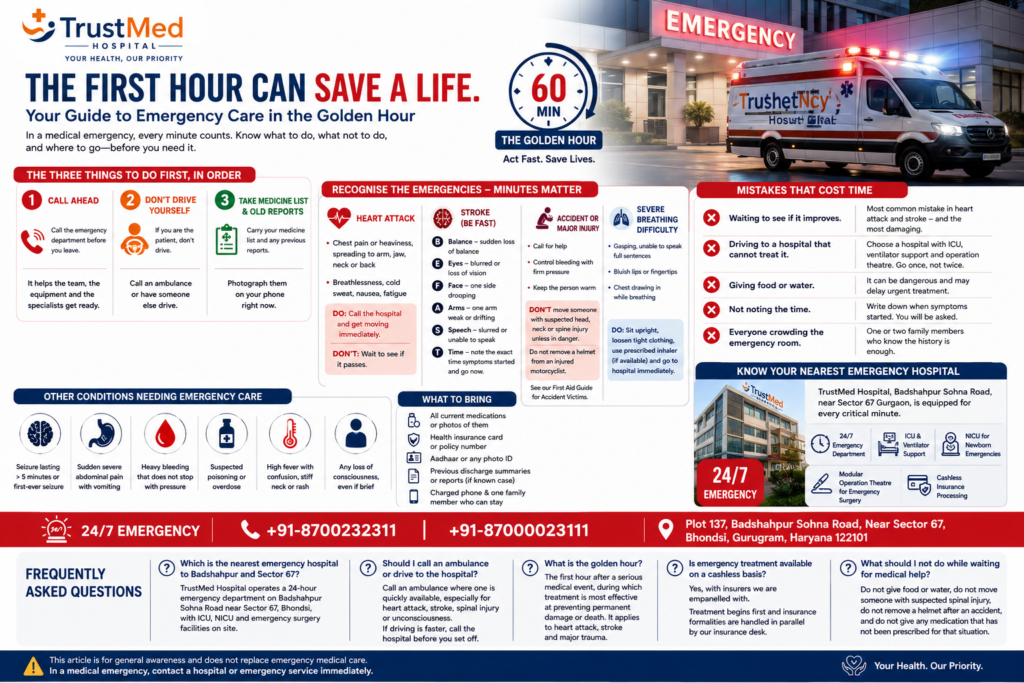
Road Accident and Trauma Emergencies: Why the “Golden Hour” Matters
September 16, 2026Sleep disorders and insomnia affect millions worldwide, yet many people suffer in silence without seeking help. According to the World Health Organization, sleep disruption is closely linked to mental health conditions and chronic illness. If you’re struggling with restless nights, this guide on sleep disorders insomnia causes and treatment will help you understand your options.
What Are Sleep Disorders and Insomnia?
Sleep disorders are conditions that affect the quality, timing, and duration of sleep. Insomnia — the most common type — is characterized by difficulty falling or staying asleep. Other disorders include sleep apnea, restless leg syndrome, narcolepsy, and parasomnias. Our mental health experts at Trustmed Hospital treat all types.
6 Common Causes of Sleep Disorders Insomnia
1. Stress and Anxiety
Overthinking, work pressure, and anxiety are the leading causes of insomnia. Racing thoughts prevent the brain from winding down. The NIH Sleep Disorders page explains how anxiety disrupts sleep architecture.
2. Poor Sleep Hygiene
Irregular sleep schedules, screen use before bed, caffeine consumption, and an uncomfortable sleep environment all impair sleep quality. The NHS sleep guidance recommends consistent wake-up times even on weekends.
3. Medical Conditions
Chronic pain, diabetes, heart disease, and respiratory disorders frequently cause sleep disturbances. Patients managing conditions like asthma or high cholesterol often report poor sleep as a comorbidity.
4. Medications and Substances
Certain medications — including antidepressants, blood pressure drugs, and steroids — interfere with sleep. Alcohol and nicotine, though temporarily sedating, fragment sleep cycles. According to Mayo Clinic, these substances suppress REM sleep.
5. Sleep Apnea
Obstructive sleep apnea causes repeated breathing interruptions during sleep, leading to loud snoring, gasping, and daytime fatigue. It is often associated with obesity and cardiovascular risk. Our cardiology team in Gurgaon can screen for sleep apnea-related heart risks.
6. Shift Work and Jet Lag
Disrupting the body’s circadian rhythm — through night shifts or frequent travel across time zones — leads to chronic sleep disorders. The CDC sleep hygiene resource provides shift-worker-specific recommendations.
Effective Treatment Options for Sleep Disorders Insomnia
Treatment depends on the underlying cause. Options include:
Cognitive Behavioural Therapy for Insomnia (CBT-I) — the gold-standard non-drug therapy that restructures negative thoughts around sleep.
Sleep Medications — prescribed short-term when behavioural methods are insufficient. Always use under medical supervision.
Treating Underlying Conditions — addressing anxiety, pain, or respiratory issues often resolves insomnia. Our specialists at Trustmed General Medicine provide comprehensive evaluations.
Lifestyle Changes — exercise, reduced caffeine, and a dark, cool bedroom dramatically improve sleep. See our guide on boosting immunity naturally for complementary health tips.
Don’t let poor sleep rob you of your health and productivity. Book a consultation at Trustmed Hospital Gurgaon and get expert help for sleep disorders and insomnia today.
Your health deserves restful nights — and our specialists are here to make that happen.