Heart Treatment: Everything You Need to Know About Modern Cardiac Care

Cashless Treatment in Gurgaon: 10 FAQs Patients Ask (2026 Guide)
July 28, 2026
10 Early Warning Signs of Heart Disease You Should Never Ignore
July 29, 2026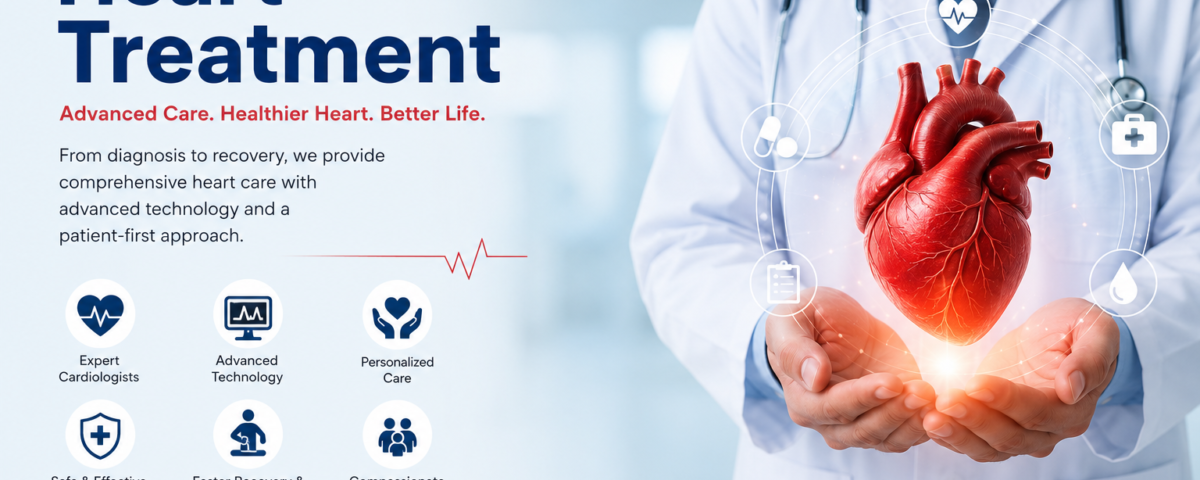
Modern heart treatment using advanced cardiology techniques for the diagnosis and management of heart disease.
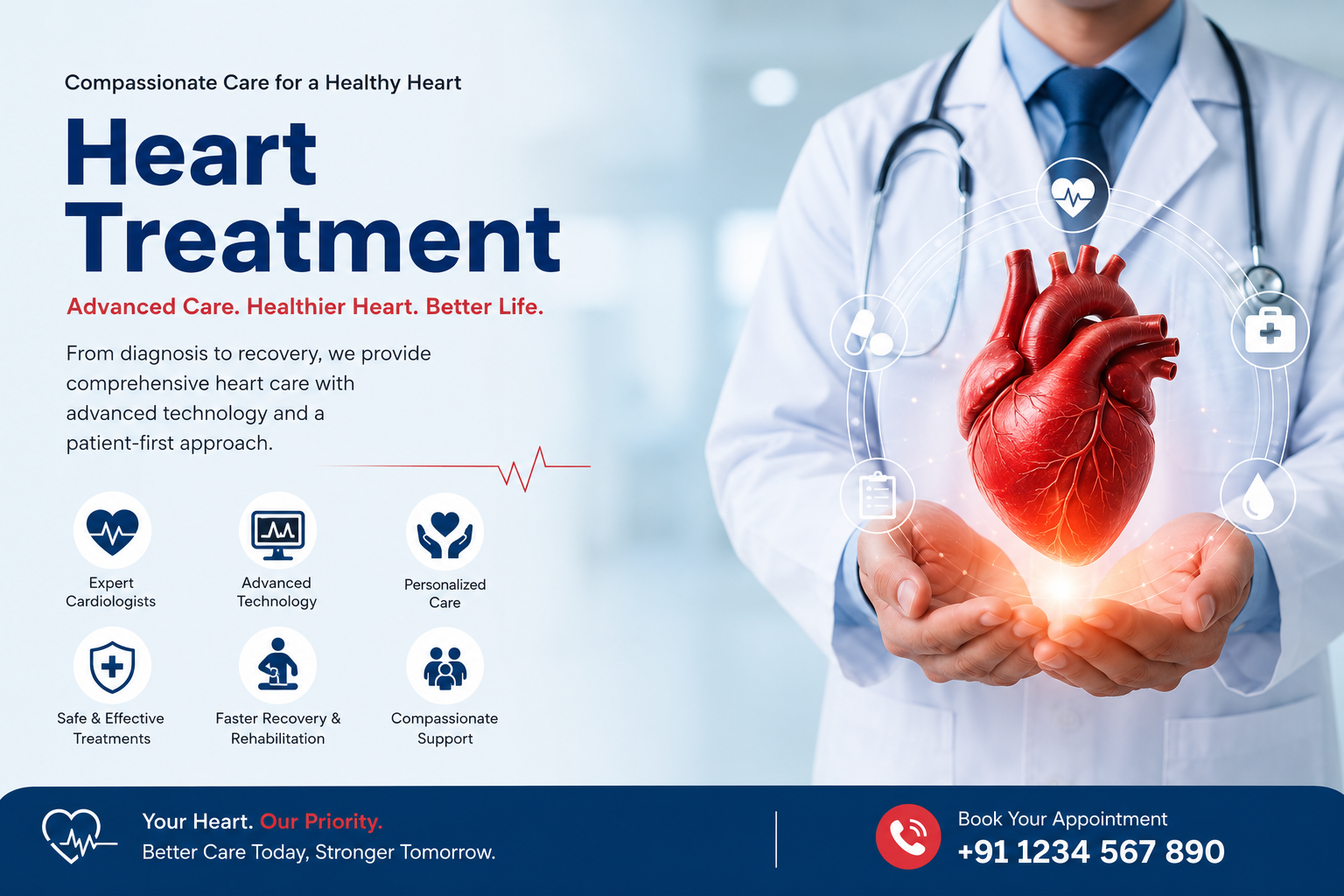
Heart disease remains one of the leading causes of death worldwide according to the World Health Organization, but the good news is that modern heart treatment has become safer, faster, and more effective than ever before. This guide explains what heart treatment in Gurgaon involves, from first diagnosis through to recovery. Early diagnosis and timely medical intervention can prevent severe complications and significantly improve quality of life.
Whether you’re experiencing chest pain, shortness of breath, or simply want to understand your treatment options, this guide explains everything you need to know.
What is Heart Treatment?
Heart treatment refers to medical, interventional, and surgical procedures used to diagnose, manage, and treat diseases affecting the heart and blood vessels.
Depending on the condition, treatment may involve:
- Lifestyle modifications
- Medications
- Minimally invasive procedures
- Catheter-based interventions
- Heart surgery
- Cardiac rehabilitation
The primary goal is to restore healthy blood flow, improve heart function, reduce symptoms, and prevent life-threatening complications.
Common Heart Conditions That Require Treatment
1. Coronary Artery Disease (CAD)
This occurs when cholesterol deposits narrow the arteries supplying blood to the heart.
Common symptoms include:
- Chest pain (Angina)
- Breathlessness
- Fatigue
- Heart attack
2. Heart Attack (Myocardial Infarction)
A heart attack happens when blood flow to part of the heart is completely blocked.
Emergency treatment is essential to minimize heart muscle damage.
3. Heart Failure
Heart failure means the heart cannot pump blood efficiently.
Symptoms include:
- Swelling in legs
- Fatigue
- Persistent cough
- Difficulty breathing
- Weight gain due to fluid retention
4. Arrhythmia
An irregular heartbeat that may be too fast, too slow, or abnormal.
Patients may experience:
- Palpitations
- Dizziness
- Fainting
- Chest discomfort
5. Heart Valve Disease
Heart valves may become narrowed or leaky, affecting blood circulation.
Warning Signs You Should Never Ignore
Seek immediate medical attention if you experience:
- Severe chest pain
- Pain radiating to the left arm, jaw, neck, or back
- Sudden shortness of breath
- Cold sweating
- Nausea
- Fainting
- Rapid or irregular heartbeat
Early treatment can save lives.
How Doctors Diagnose Heart Disease
Cardiologists use several advanced tests to identify the underlying problem.
These include:
- ECG (Electrocardiogram)
- Echocardiography (2D Echo)
- Treadmill Test (TMT)
- Holter Monitoring
- CT Coronary Angiography
- Coronary Angiography
- Cardiac MRI
- Blood Tests
- Stress Testing
The appropriate investigation depends on the patient’s symptoms and risk factors.
Types of Heart Treatment
1. Lifestyle Modification
For many patients, improving daily habits is the first step.
Recommendations include:
- Healthy heart diet
- Daily exercise
- Weight management
- Quitting smoking
- Limiting alcohol
- Managing diabetes and blood pressure
- Reducing stress
- Getting adequate sleep
2. Medications
Doctors may prescribe medicines to:
- Lower blood pressure
- Reduce cholesterol
- Prevent blood clots
- Control heart rhythm
- Improve heart function
Patients should never stop medications without consulting their cardiologist.
3. Angioplasty (PCI)
Angioplasty is a minimally invasive procedure used to open blocked coronary arteries.
During the procedure:
- A catheter is inserted through the wrist or groin.
- A balloon opens the blockage.
- A stent is placed to keep the artery open.
Benefits
- Smaller incision
- Faster recovery
- Less pain
- Short hospital stay
4. Coronary Artery Bypass Grafting (CABG)
CABG surgery creates a new pathway for blood flow around blocked arteries.
It is generally recommended for:
- Multiple arterial blockages
- Severe coronary artery disease
- Complex heart conditions
5. Pacemaker Implantation
A pacemaker is implanted to regulate slow or irregular heartbeats.
It helps maintain a normal heart rhythm and improves overall quality of life.
6. Valve Repair or Replacement
Damaged heart valves may require repair or replacement through open-heart surgery or minimally invasive techniques.
7. Cardiac Rehabilitation
Recovery doesn’t end after treatment.
Cardiac rehabilitation includes:
- Supervised exercise
- Nutritional counseling
- Lifestyle coaching
- Stress management
- Regular follow-up
This program significantly reduces the risk of future heart problems.
Recovery After Heart Treatment
Recovery varies depending on the treatment performed.
Patients are usually advised to:
- Take medications regularly
- Follow a heart-healthy diet
- Walk daily
- Avoid smoking
- Control diabetes
- Monitor blood pressure
- Attend scheduled follow-ups
- Report any unusual symptoms immediately
Can Heart Disease Be Prevented?
Yes. Many heart diseases are preventable through healthy lifestyle choices.
Prevention Tips
- Eat fruits and vegetables daily
- Exercise for at least 30 minutes most days
- Avoid tobacco
- Maintain a healthy weight
- Keep cholesterol under control
- Monitor blood pressure
- Manage stress
- Sleep 7–8 hours every night
- Get regular health checkups
When Should You See a Cardiologist?
Consult a cardiologist if you have:
- Persistent chest discomfort
- High blood pressure
- Diabetes
- High cholesterol
- Family history of heart disease
- Breathlessness
- Irregular heartbeat
- Previous heart attack
- Swelling in legs
Regular screening can detect heart disease before symptoms become severe.
Frequently Asked Questions (FAQs)
Is heart treatment safe?
Yes. Modern heart treatments are highly advanced, and most procedures have excellent success rates when performed by experienced cardiologists.
Is angioplasty better than bypass surgery?
It depends on the severity and number of blocked arteries. Your cardiologist will recommend the most appropriate treatment after evaluation.
How long does recovery take?
Recovery varies by treatment. Angioplasty patients often resume routine activities within a few days, while bypass surgery may require several weeks of recovery.
Can heart disease be cured completely?
Some conditions can be effectively treated, while others require lifelong management through medication, lifestyle changes, and regular follow-up.
Can young adults develop heart disease?
Yes. Smoking, obesity, diabetes, high cholesterol, stress, and a family history of heart disease increase the risk even in younger individuals.
Final Thoughts
Heart disease is a serious but manageable condition when detected early. Advances in modern cardiology have made diagnosis and treatment more precise, less invasive, and more effective than ever before. If you experience symptoms such as chest pain, breathlessness, or irregular heartbeat, seek medical attention promptly. Early intervention can prevent complications, improve recovery, and help you live a healthier, longer life.