Infertility Treatment Gurgaon: 5 Proven Options That Help

Weight Loss Surgery Gurgaon: 3 Bariatric Options Explained
September 17, 2026
What Is a Multispecialty Hospital?
September 17, 2026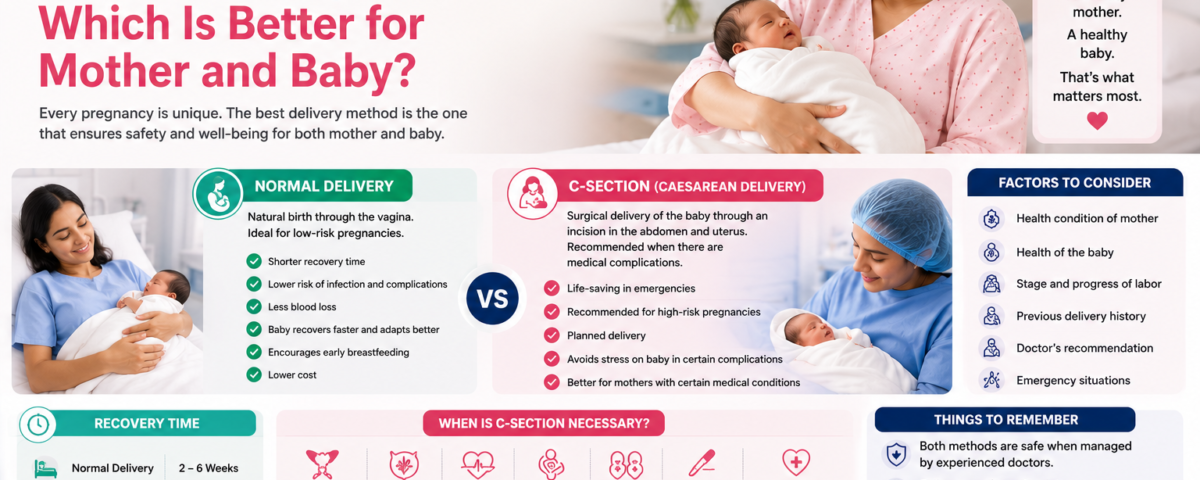
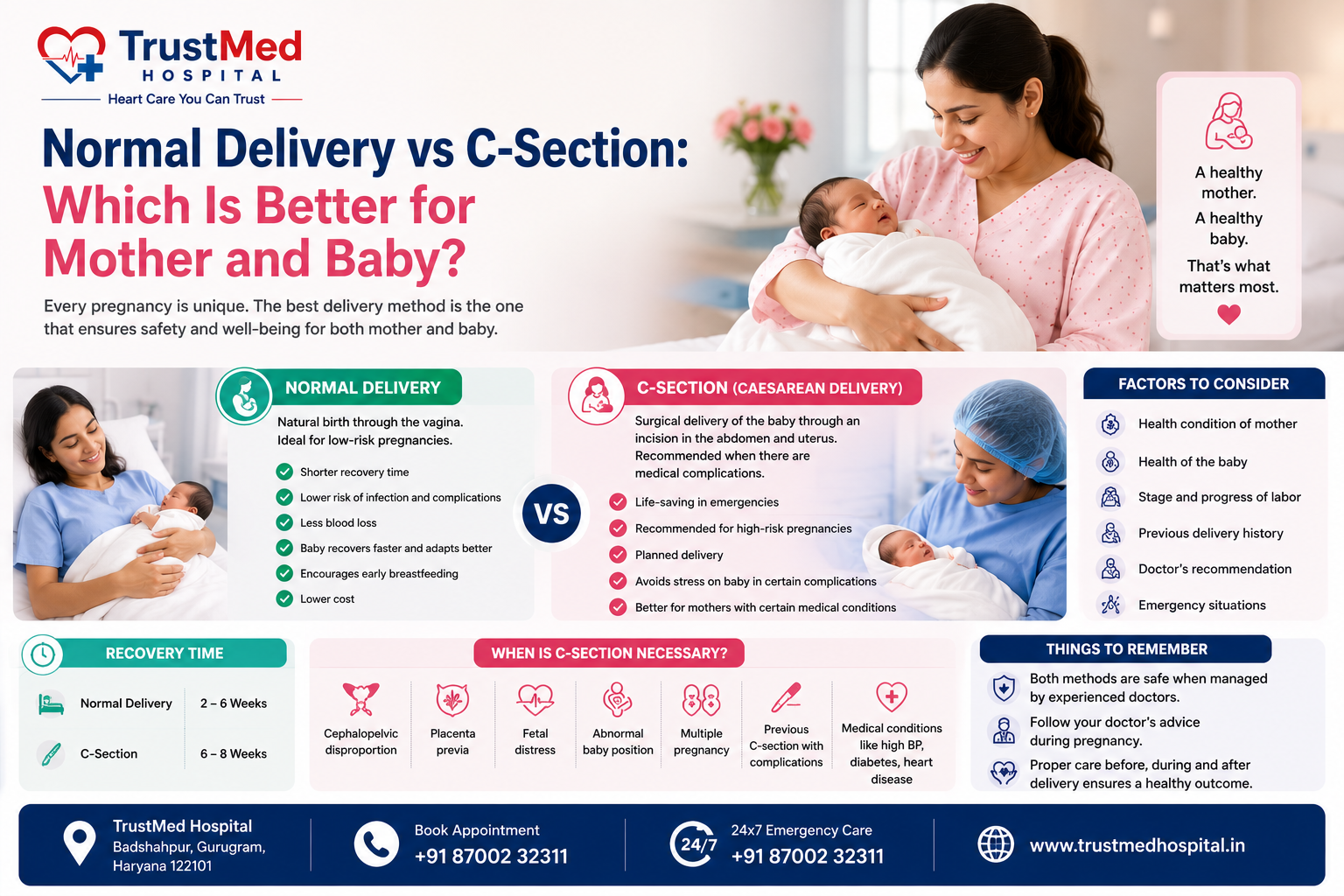
Learn the key differences between normal delivery and C-section, including benefits, recovery, risks, and when each delivery method is recommended. TrustMed Hospital provides expert maternity and neonatal care in Badshahpur, Gurugram.
Struggling to conceive is one of the most emotionally difficult experiences a couple can go through, made harder by how private it often feels and how much conflicting advice surrounds it. The good news is that infertility is a medical condition with well-established diagnostic paths and treatment options — not something couples have to face without answers. If you’re researching infertility treatment Gurgaon options, this guide covers what infertility actually means medically, how it’s diagnosed, and what treatment can look like.
What Counts as Infertility?
Understanding infertility treatment Gurgaon options starts with knowing what counts as infertility. It is generally defined as the inability to conceive after 12 months of regular, unprotected intercourse (or 6 months for women over 35). According to the WHO’s data on infertility, it affects a significant proportion of couples worldwide and can stem from factors in either partner, or a combination of both — which is why evaluation typically involves both partners from the start.
Common Causes Behind Infertility Treatment Gurgaon Cases
- Ovulation disorders, including conditions like PCOS, which is one of the most common causes of female infertility.
- Blocked or damaged fallopian tubes, often from past infections or endometriosis.
- Male factor infertility, including low sperm count or motility issues.
- Age-related decline in fertility, particularly after age 35.
- Uterine or cervical conditions that affect implantation.
- Unexplained infertility, where no clear cause is identified despite thorough testing.
Diagnosis: What to Expect
Every infertility treatment Gurgaon evaluation usually starts with a detailed history for both partners, followed by tests such as hormone level checks, ultrasound to assess ovarian reserve and uterine health, and semen analysis for male partners. Our gynecology department coordinates this evaluation to identify the underlying cause before recommending a treatment path, rather than jumping straight to advanced procedures.
Infertility Treatment Gurgaon Specialists Recommend
Lifestyle and Medical Management
For many couples, treatment starts with addressing underlying conditions — managing PCOS, correcting hormonal imbalances, or adjusting lifestyle factors like weight, smoking, and stress, all of which measurably affect fertility.
Ovulation Induction
Medications can help stimulate ovulation in women with irregular or absent ovulation, often combined with timed intercourse or intrauterine insemination (IUI).
Assisted Reproductive Technologies
For more complex cases, procedures like IUI or IVF may be recommended, depending on the identified cause and how long the couple has been trying to conceive. Treatment plans are always individualized rather than one-size-fits-all.
Pregnancy After Fertility Treatment
Once pregnancy is achieved, ongoing care matters just as much as the treatment that got you there. Our team supports patients through pregnancy planning and delivery, including guidance on options like normal delivery versus C-section as the pregnancy progresses.
Emotional Support Through the Process
Fertility treatment can be emotionally taxing, and it’s normal to need support beyond the medical side. Don’t hesitate to ask your care team about counseling resources, and consider connecting with support groups — you are not alone in this experience, even though it can feel isolating.
When to See a Specialist
If you’ve been trying to conceive for over a year (or 6 months if you’re over 35) without success, or if you have known risk factors like irregular periods or a history of pelvic infections, it’s worth scheduling an evaluation rather than waiting longer. Early evaluation often means simpler treatment options. Regular health checkups also help catch underlying conditions that can affect fertility before they become bigger obstacles.
Frequently Asked Questions
When should we see a fertility specialist?
After 12 months of trying without success (or 6 months if the woman is over 35), or sooner if there are known risk factors like irregular cycles or a history of pelvic infections.
Is infertility always a female issue?
No. Male factors contribute to roughly half of all infertility cases, which is why evaluation typically involves both partners from the start.
Does PCOS always cause infertility?
Not always, but PCOS is one of the most common causes of ovulation-related infertility. Many women with PCOS conceive successfully with proper management.
Is fertility treatment covered by insurance in India?
Coverage varies significantly by insurer and policy, with many plans covering diagnostic evaluation but limiting coverage for advanced procedures like IVF. Our team can help you understand your specific policy via our contact page.
If you’ve been trying to conceive without success, you don’t have to navigate it alone or without answers. Trusted infertility treatment Gurgaon couples rely on starts with a proper evaluation. Book a consultation with our gynecology team at TrustMed Hospital, Badshahpur, Gurgaon.