Dengue and Typhoid Fever: Symptoms, Testing, and Treatment During Monsoon

Premature Baby Care in the NICU: A Complete Guide for Parents
September 16, 2026
Hearing Loss and Hearing Aids: A Complete ENT Guide
September 16, 2026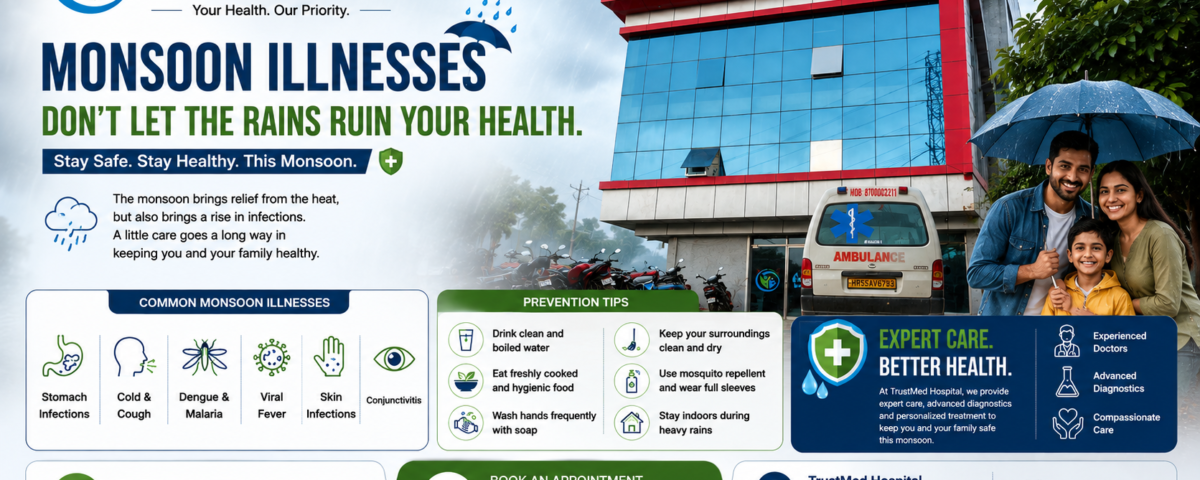
Every year, the same pattern repeats across Gurgaon and Badshahpur: the monsoon arrives, water collects in unexpected places, and within weeks, local hospitals see a sharp rise in fever cases. Two of the most common culprits are dengue and typhoid — very different diseases that happen to spike in the same season and are often confused with each other, and with ordinary viral fever, in their early days. Knowing the difference matters, because the right treatment depends on catching the right diagnosis early. This guide covers dengue symptoms treatment Gurgaon patients need to know, typhoid fever, and how to tell them apart from a routine seasonal fever.

Why Dengue and Typhoid Both Spike During Monsoon
Dengue is spread by the Aedes mosquito, which breeds in clean, stagnant water — the kind that collects in flowerpots, tires, coolers, and construction sites after heavy rain. Typhoid, on the other hand, spreads through contaminated food and water, and monsoon flooding often compromises water supply systems, increasing the risk of contamination. Both conditions thrive in the same seasonal conditions for entirely different reasons, which is part of why fever cases cluster so heavily during and right after the monsoon months.
Our detailed guide on monsoon illness prevention covers the broader picture of seasonal infections; this post goes deeper into these two specific, and potentially serious, conditions.
Dengue Fever: Symptoms and Warning Signs
According to the WHO’s fact sheet on dengue and severe dengue, dengue typically presents with a sudden onset of symptoms 4-10 days after being bitten by an infected mosquito.
Early Dengue Symptoms
- Sudden high fever, often reaching 104°F (40°C).
- Severe headache, frequently described as pain behind the eyes.
- Muscle, joint, and bone pain — severe enough that dengue is sometimes called “breakbone fever.”
- Nausea and vomiting.
- Skin rash, typically appearing a few days into the illness.
- Mild bleeding, such as bleeding gums or nosebleeds, in some cases.
Warning Signs of Severe Dengue
Most dengue cases resolve with supportive care, but a subset of patients develop severe dengue, usually as the fever starts to come down — which is exactly when families often assume the danger has passed. Warning signs that need urgent medical attention include:
- Severe abdominal pain.
- Persistent vomiting.
- Bleeding from gums, nose, or in vomit/stool.
- Rapid breathing.
- Fatigue and restlessness.
- Cold, clammy skin.
Why Platelet Count Matters
Dengue is well known for causing a drop in platelet count, which is why doctors monitor blood counts closely through the course of the illness rather than relying on symptoms alone. A significant drop can increase bleeding risk, and in more serious cases, hospitalization for close monitoring and, if needed, platelet support becomes necessary. This is precisely the kind of situation where having access to ICU support for severe dengue cases makes a critical difference in outcomes.
Typhoid Fever: Symptoms and Progression
Typhoid is caused by Salmonella typhi bacteria and, unlike dengue, tends to develop more gradually. As described by the CDC’s overview of typhoid fever, symptoms typically appear 1-3 weeks after exposure to contaminated food or water.
Common Typhoid Symptoms
- Sustained fever that gradually increases day by day rather than spiking suddenly.
- Weakness and fatigue.
- Abdominal pain and either constipation or diarrhea.
- Headache.
- Loss of appetite.
- Rose-colored spots on the skin, in some cases, though this isn’t universal.
- An enlarged liver or spleen, which a doctor may check for during examination.
As the Mayo Clinic notes in its overview of typhoid fever, if untreated, typhoid can lead to serious complications including intestinal bleeding or perforation, which is why timely diagnosis and a full course of appropriate antibiotics matter significantly.
Dengue vs. Typhoid vs. Ordinary Viral Fever: Key Differences
| Feature | Dengue | Typhoid | Viral Fever |
|---|---|---|---|
| Onset | Sudden, high fever | Gradual, step-wise rising fever | Sudden, usually milder |
| Duration | Typically 5-7 days | Can last several weeks if untreated | Usually 3-5 days |
| Distinctive signs | Severe body/joint pain, rash, low platelets | Sustained fever pattern, abdominal symptoms | Cough, cold, sore throat common |
| Diagnosis | NS1 antigen / dengue antibody tests | Blood culture, Widal test | Usually clinical, based on symptoms |
Because these three conditions can look similar in the first 2-3 days, doctors generally recommend getting tested if a fever persists beyond 2-3 days, rather than assuming it will resolve on its own, especially during monsoon season when the local case count of both dengue and typhoid rises.
Diagnosis: What Tests to Expect
For suspected dengue, doctors typically order an NS1 antigen test (accurate in the first few days of fever) or dengue IgM/IgG antibody tests (more useful later in the illness), along with a complete blood count to track platelet levels. For suspected typhoid, blood culture is the gold standard for diagnosis, though the Widal test is also commonly used, particularly when culture facilities have delays. Your doctor will determine the right combination of tests based on how many days you’ve had fever and your specific symptom pattern.
Treatment Approaches for Dengue Symptoms Treatment Gurgaon Doctors Provide
Dengue Treatment
There’s no specific antiviral medication for dengue — treatment is supportive and focused on:
- Adequate fluid intake to prevent dehydration.
- Paracetamol for fever and pain (importantly, NSAIDs like ibuprofen and aspirin are avoided, as they can increase bleeding risk).
- Close monitoring of platelet counts and warning signs.
- Hospitalization for IV fluids or platelet support if warning signs develop or platelet counts drop significantly.
Typhoid Treatment
Typhoid, being bacterial, is treated with a full course of appropriate antibiotics, along with supportive care including hydration and rest. It’s essential to complete the full prescribed antibiotic course even after symptoms improve, since stopping early increases the risk of relapse and contributes to antibiotic resistance — a growing concern with typhoid strains globally.
When to Seek Emergency Care
Certain signs mean you shouldn’t wait for a scheduled appointment:
- High fever that doesn’t respond to medication after a couple of days.
- Any bleeding — gums, nose, blood in vomit or stool.
- Severe abdominal pain.
- Difficulty breathing or persistent vomiting preventing fluid intake.
- Confusion, extreme lethargy, or fainting.
Our 24/7 emergency care team is equipped to assess and manage these situations quickly, and our medicine specialists provide ongoing management for both conditions from initial diagnosis through recovery.
Prevention: Reducing Your Risk
For dengue:
- Eliminate stagnant water around your home — flowerpots, coolers, buckets, tires.
- Use mosquito repellents and nets, especially during dawn and dusk when Aedes mosquitoes are most active.
- Wear long sleeves in high-risk areas during monsoon season.
For typhoid:
- Drink only boiled, filtered, or bottled water, especially in areas with monsoon flooding.
- Avoid street food and raw vegetables/fruits that may have been washed in contaminated water.
- Practice thorough hand hygiene, particularly before eating and after using the washroom.
- Consider typhoid vaccination, particularly recommended for those in high-exposure environments or traveling to high-risk regions, as discussed in resources from the National Vector Borne Disease Control Programme and general public health guidance from the ICMR-National Institute of Malaria Research.
When a Fever Warrants a Doctor’s Visit
If a fever persists beyond 2-3 days, especially during monsoon season, it’s worth getting evaluated rather than waiting it out with home remedies alone. Our broader guide on when a fever needs a doctor’s visit outlines the general warning signs that apply across most fever-related illnesses, not just dengue and typhoid specifically.
Frequently Asked Questions
Can you get dengue more than once?
Yes. There are four distinct dengue virus serotypes, and infection with one doesn’t protect against the others. In fact, a second dengue infection with a different serotype carries a higher risk of severe dengue, which is why prevention remains important even after a prior infection.
How low does a platelet count need to be before hospitalization?
This isn’t a single fixed number — doctors consider the platelet count alongside other warning signs, the trend over successive tests, and the patient’s overall clinical condition, not the platelet count in isolation.
Is typhoid contagious from person to person?
Typhoid doesn’t spread through casual contact but can spread if an infected person’s waste contaminates food or water that others consume, which is why hygiene and sanitation are central to prevention.
How soon can I go back to normal activity after dengue or typhoid?
This varies by severity, but fatigue can linger for a couple of weeks after both illnesses even once the fever resolves. Your doctor will guide you on when it’s safe to resume full activity based on your recovery and follow-up test results.
If you’re experiencing a persistent fever this monsoon season, don’t wait for it to resolve on its own. Get evaluated by our medicine and emergency care team at TrustMed Hospital for prompt dengue symptoms treatment Gurgaon residents can rely on.