Diet and Lifestyle Tips: Faster Recovery After Laparoscopic Appendix Surgery

High Risk Pregnancy: Symptoms, Risks, and Treatment Options Guide
May 12, 2026
Prevention of Malaria: Important Symptoms and Prevention
May 19, 2026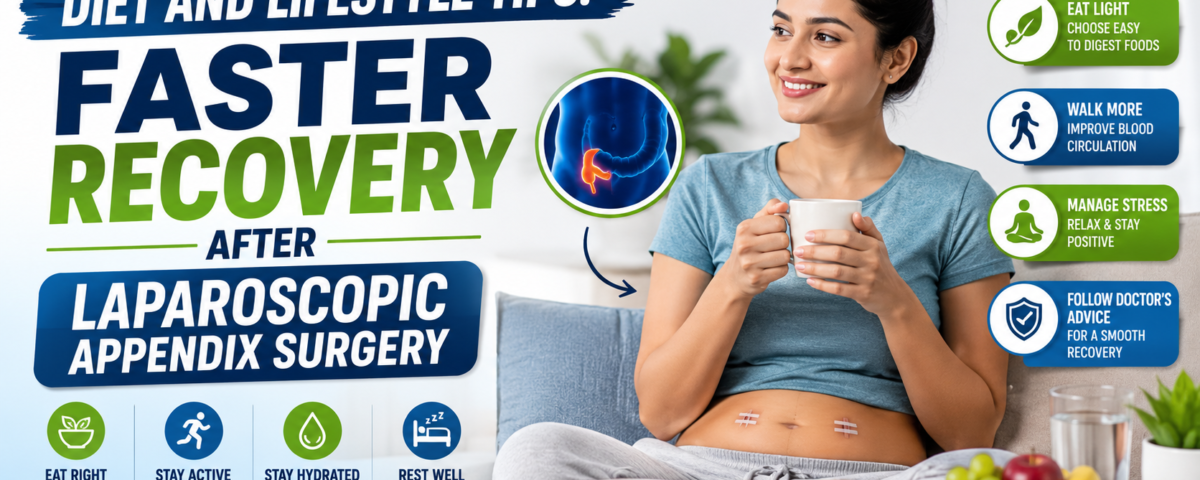
Recovering well after Laparoscopic Appendix Surgery depends on more than just the procedure itself. Your diet, sleep, movement, hydration, and daily routine all play a major role in how quickly your body heals.
Since this procedure uses smaller incisions and causes less tissue damage, most patients return to normal life faster compared to open surgery. Still, smart recovery habits are essential for avoiding complications and improving comfort during the healing process.
Laparoscopic Appendix Surgery: What You Should Know
Understanding laparoscopic appendix surgery properly, rather than relying on assumptions, is what actually keeps people safe and helps them get the right care at the right time. The World Health Organization publishes guidance on this topic that supports the approach we follow at TrustMed Hospital.
Why Recovery Is Easier After Laparoscopic Appendix Surgery
Modern surgical methods have changed the way patients heal after abdominal procedures. Because this approach uses tiny cuts and specialized instruments, there is usually less pain, reduced bleeding, and a shorter hospital stay.
This form of minimally invasive surgery also lowers the chances of infection and helps patients resume regular activities sooner.
Most patients notice better mobility within a few days, but proper nutrition and lifestyle adjustments are still necessary for smooth healing. A well-planned routine can improve digestion, reduce fatigue, and support long-term wellness after surgery.
For patients looking for expert surgical care, Surgery Hospital in Badshahpur Gurgaon Care provides specialized treatment and post-surgical guidance.
Start With Light and Easy-to-Digest Foods
The digestive system often becomes sensitive after abdominal procedures. During the first 24 to 48 hours, doctors usually recommend soft and simple meals that do not stress the stomach.
Good early recovery foods include:
- Khichdi
- Oatmeal
- Boiled vegetables
- Clear soups
- Toast
- Bananas
- Yogurt
These foods are gentle on digestion and help the body regain strength without causing bloating or constipation. A balanced diet is one of the most important parts of successful appendix surgery recovery because it supports tissue repair and improves energy levels.
Avoid spicy, oily, and processed foods during the first week. Heavy meals can irritate the stomach and slow healing.

Hydration Speeds Up Healing
Water plays a direct role in circulation, digestion, and wound healing. After surgery, dehydration can worsen fatigue and increase constipation caused by pain medications.
Aim for:
- 8 to 10 glasses of water daily
- Coconut water for electrolytes
- Fresh fruit juices without added sugar
- Clear soups and herbal teas
Limiting caffeine and carbonated drinks during the first few days can also reduce stomach discomfort. Good hydration improves digestion and makes appendix surgery recovery smoother and more comfortable.
Prioritize Protein for Tissue Repair
Protein is essential after surgery because it helps rebuild damaged tissue and supports immune function. Patients recovering from Laparoscopic Appendix Surgery should include protein-rich foods in every meal once digestion becomes stable.
Helpful options include:
- Eggs
- Paneer
- Chicken
- Fish
- Greek yogurt
Adding enough protein can reduce weakness and improve healing speed. Vitamins like Vitamin C and Zinc are also important because they support collagen production and wound recovery.
Walking Helps Prevent Complications
During the first week after Laparoscopic Appendix Surgery, light movement is strongly encouraged. Gentle walking improves blood circulation, supports digestion, and lowers the risk of blood clots.
You do not need intense exercise immediately. Start slowly:
- Walk indoors for 5–10 minutes
- Increase movement gradually each day
- Avoid lifting heavy objects
- Stop if you feel dizziness or pain
This recovery approach works especially well after minimally invasive surgery because the body experiences less trauma compared to traditional procedures.
Many surgeons now encourage early mobility as part of modern appendicitis treatment protocols because it reduces stiffness and speeds up overall recovery.
Get Proper Sleep and Rest
Sleep is when the body performs most of its repair work. Poor sleep can delay healing, increase stress hormones, and weaken immunity.
Try these recovery habits:
- Sleep at least 7–8 hours daily
- Use pillows for abdominal support
- Avoid screen exposure before bed
- Maintain a regular sleep schedule
Short daytime naps can also help if fatigue is high during the first few days. However, complete bed rest for long periods is not recommended because the body heals better with light activity and circulation.
Avoid Foods That Trigger Digestive Problems
After abdominal surgery, digestion may temporarily slow down. Certain foods can worsen bloating, acidity, or constipation.
Avoid:
- Deep-fried snacks
- Excess sugar
- Alcohol
- Packaged junk food
- Very spicy meals
Fiber should be increased gradually instead of all at once. Fruits, vegetables, and whole grains support bowel movement, but sudden high-fiber intake may cause discomfort initially.
Patients undergoing appendicitis treatment often experience digestive sensitivity before surgery as well, so a gradual return to a regular diet is usually the safest approach.
For more information on faster healing methods, patients can explore Laparoscopic Surgery Helps Faster Recovery to understand how modern procedures improve post-operative comfort.
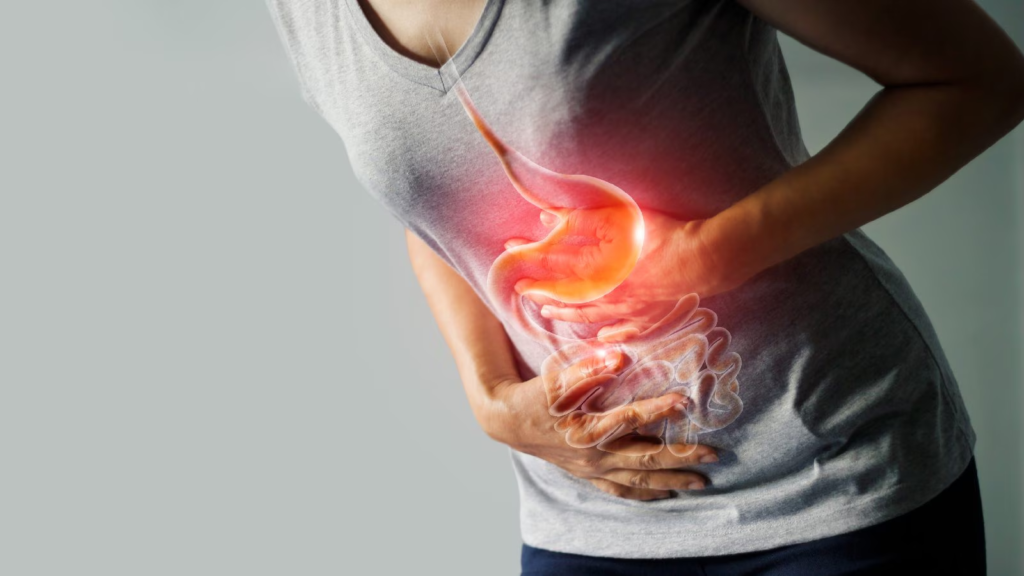
Manage Pain the Right Way
Pain is normal after surgery, but it should gradually improve every day. People recovering from Laparoscopic Appendix Surgery should follow medication instructions carefully and avoid self-medicating.
Helpful pain management tips include:
- Taking medicines on schedule
- Using a pillow while coughing
- Avoiding sudden twisting movements
- Staying hydrated
- Walking regularly
Persistent pain, fever, vomiting, or redness around the incision should never be ignored. These symptoms may indicate infection or another complication that needs medical attention.
Because of the benefits of minimally invasive surgery, many patients require fewer pain medications and recover faster compared to older surgical techniques.
Mental Health Also Affects Recovery
Stress and anxiety can impact sleep, appetite, and energy levels after surgery. Staying positive and maintaining communication with family members can improve emotional well-being during healing.
Simple relaxation methods include:
- Deep breathing
- Listening to calming music
- Light stretching after doctor approval
- Spending time outdoors
Emotional balance is often overlooked during appendix surgery recovery, but it plays a meaningful role in helping patients regain confidence and return to normal routines.
Know When to Resume Daily Activities
Most patients can return to desk work within one to two weeks, depending on their condition. Heavy lifting and intense workouts should wait until the surgeon gives approval.
A follow-up appointment after Laparoscopic Appendix Surgery is important because it allows the doctor to monitor wound healing and check for complications. Recovery timelines vary depending on age, fitness level, and the severity of infection before surgery.
Patients who undergo timely appendicitis treatment generally experience quicker healing and fewer complications than those who delay medical care.
If you are searching for trusted medical support and surgical consultation, Hospital in Badshahpur Gurgaon offers advanced healthcare services and experienced specialists.
Quick Recovery Tips You Should Follow
Here are a few practical habits that make a noticeable difference:
- Eat smaller meals throughout the day
- Walk daily without overexertion
- Keep surgical wounds clean and dry
- Drink enough fluids
- Avoid smoking
- Follow doctor instructions carefully
These small steps can significantly improve appendix surgery recovery and reduce the chances of setbacks.
Final Thoughts
With the right habits after Laparoscopic Appendix Surgery, most patients can heal comfortably and return to normal life faster. A nutritious diet, proper hydration, quality sleep, and light movement all work together to support healing. Since this procedure is a form of minimally invasive surgery, recovery is usually quicker, but careless habits can still delay progress.
Early diagnosis, timely appendicitis treatment, and proper post-operative care are the keys to a smooth recovery experience. By following practical medical advice and listening to your body, you can heal safely while reducing discomfort and complications.