High Risk Pregnancy: Symptoms, Risks, and Treatment Options Guide

Laparoscopic Surgery vs Open Surgery: Which Option Is Better?
May 4, 2026
Diet and Lifestyle Tips: Faster Recovery After Laparoscopic Appendix Surgery
May 14, 2026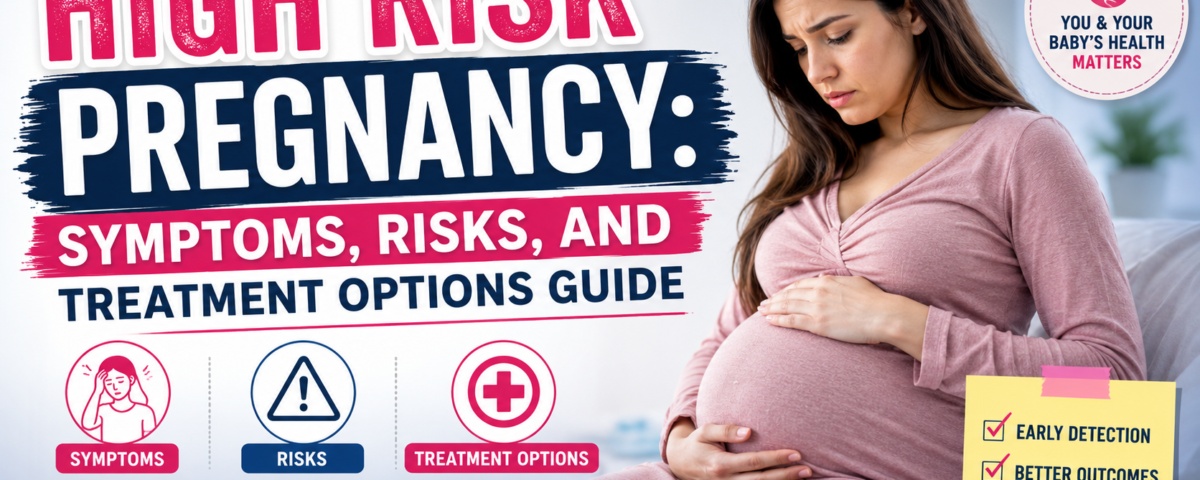
Pregnancy is a life-changing journey, but some women may need closer medical attention because of existing health conditions, pregnancy complications, or age-related concerns. A High Risk Pregnancy requires careful monitoring to protect both the mother and the baby. With early diagnosis, the right lifestyle changes, and expert medical support, many women go on to have healthy deliveries and recoveries.
Understanding warning signs, treatment options, and preventive measures can make a major difference. This guide explains everything you need to know in a simple, practical, and medically informed way.
High Risk Pregnancy: What You Should Know
Understanding high risk pregnancy properly, rather than relying on assumptions, is what actually keeps people safe and helps them get the right care at the right time. The World Health Organization publishes guidance on this topic that supports the approach we follow at TrustMed Hospital.
What Does a High-Risk Pregnancy Mean?
A pregnancy is considered high-risk when there is a greater chance of complications affecting the mother, baby, or both. These risks may exist before conception or develop during pregnancy. Doctors usually identify concerns through medical history, scans, blood work, and regular prenatal evaluations.
Several factors can increase complications, including diabetes, hypertension, obesity, thyroid disorders, multiple pregnancies, infections, or previous miscarriages. Women over 35 years of age may also require additional monitoring during pregnancy.
Many patients searching for reliable information about High risk pregnancy care often want to know whether a high-risk condition automatically means a dangerous outcome. In reality, modern maternal healthcare has improved significantly. Early intervention, regular follow-ups, and personalized treatment plans help reduce complications in most cases.
Common Causes of Pregnancy Complications
Not every pregnancy complication begins suddenly. Some conditions develop gradually, while others are linked to pre-existing health issues.
Medical conditions such as high blood pressure, gestational diabetes, kidney disease, autoimmune disorders, and heart disease can affect fetal growth and maternal health. Lifestyle-related issues like smoking, alcohol use, poor nutrition, or chronic stress may also increase risk levels.
Women carrying twins or triplets usually need more monitoring because multiple pregnancies can lead to premature birth or low birth weight. Previous pregnancy complications, including preterm labor or cesarean delivery, may also increase future risks.
Doctors generally recommend early prenatal consultation for women with a medical history that may affect pregnancy outcomes. Timely monitoring often helps identify complications before they become severe.
Early Warning Signs You Should Never Ignore
Recognizing unusual symptoms early can prevent serious complications. Some symptoms may appear mild initially but should still be discussed with a doctor.
High Risk Pregnancy Symptoms
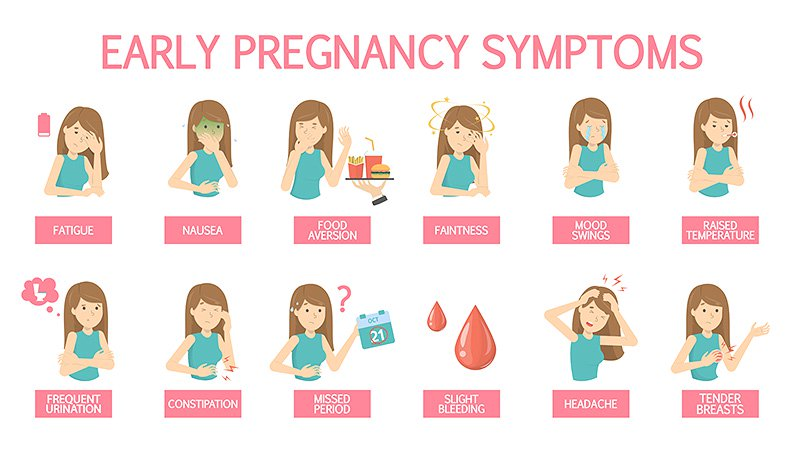
Some of the most important warning signs include severe headaches, blurred vision, sudden swelling in the hands or face, reduced fetal movement, heavy bleeding, persistent abdominal pain, dizziness, and high fever. Women experiencing frequent contractions before 37 weeks should seek immediate medical evaluation.
Breathing difficulty, chest pain, or uncontrolled vomiting should never be ignored. In some cases, symptoms may indicate preeclampsia, placental problems, or gestational complications requiring emergency care.
Many specialists providing High risk pregnancy care encourage patients to maintain a daily symptom diary. Tracking blood pressure, fetal movement, and unusual body changes can help doctors detect complications early.
Who Is More Likely to Need Special Monitoring?
Certain women naturally fall into higher-risk categories because of age, genetics, or existing medical conditions.
Teen pregnancies and pregnancies after 35 years of age often need closer supervision. Women with obesity may face increased chances of gestational diabetes and hypertension. Similarly, women who previously experienced miscarriage, stillbirth, or premature delivery may require advanced prenatal monitoring.
Family medical history also matters. Genetic disorders, blood clotting conditions, or inherited diseases can increase complications during pregnancy.
Specialists often recommend lifestyle modifications before conception for women planning pregnancy after infertility treatment or chronic illness management. Pre-pregnancy counseling helps improve maternal and fetal outcomes.
Essential Diagnostic Procedures During Pregnancy
Doctors use several screening methods to monitor the health of both mother and baby throughout pregnancy.
High risk pregnancy tests
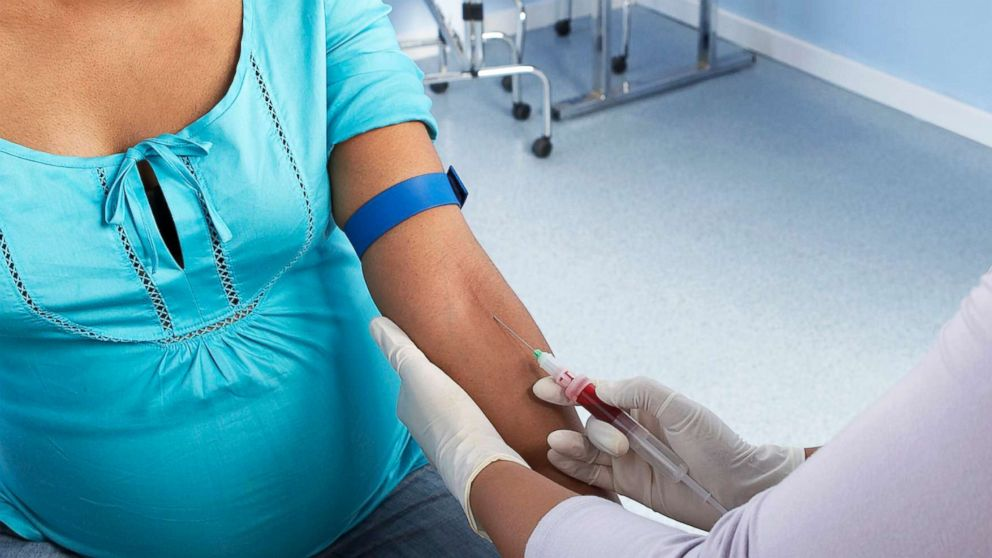
Routine blood tests help evaluate sugar levels, infections, thyroid function, anemia, and hormonal balance. Ultrasounds monitor fetal growth, placenta position, and amniotic fluid levels. Doppler scans may also be recommended to assess blood flow between the baby and placenta.
Some women may require genetic screening or non-invasive prenatal testing depending on age and family history. In complicated cases, fetal echocardiography helps examine the baby’s heart development.
Regular appointments are a crucial part of High risk pregnancy care because complications can develop unexpectedly even when earlier reports appear normal.
How Doctors Manage High-Risk Pregnancies
Every pregnancy requires a personalized treatment approach based on the mother’s condition, baby’s growth, and trimester stage.
Managing a High Risk Pregnancy Successfully
Treatment plans may include medications to control blood pressure, insulin therapy for diabetes, bed rest recommendations, nutritional counseling, or hormonal support. Doctors may advise more frequent prenatal visits and additional ultrasounds to monitor fetal development.
Some women need consultations from multiple specialists, including gynecologists, endocrinologists, cardiologists, or fetal medicine experts. Consulting the best gynecologist in badshahpur gurgaon can help ensure proper monitoring and timely medical care during complex pregnancies. Hospital observation may become necessary in severe cases involving preterm labor or placental complications.
Hydration, balanced nutrition, stress management, and proper sleep also play a major role in maintaining maternal health. Avoiding self-medication is extremely important during pregnancy.
Lifestyle Changes That Can Improve Pregnancy Outcomes
Healthy daily habits often help reduce complications and improve fetal growth. Nutrition should focus on iron-rich foods, calcium, protein, healthy fats, and adequate hydration. Processed foods and excessive sugar intake should be minimized.
Light physical activity may help improve circulation and energy levels unless the doctor advises bed rest. Prenatal yoga, walking, and breathing exercises are commonly recommended for suitable patients.
Women should also attend all scheduled prenatal appointments without delay. Missing checkups may lead to undetected complications.
Reliable High risk pregnancy care also includes emotional support. Anxiety and fear are common during difficult pregnancies, so counseling or support groups can help women manage stress more effectively.

Mental and Emotional Challenges During Pregnancy
Physical complications are not the only concern during pregnancy. Emotional health also deserves equal attention.
Women with complicated pregnancies often experience anxiety related to premature birth, delivery complications, or the baby’s health. Sleep disturbances, stress, and emotional exhaustion can affect overall well-being.
Family support plays a major role in helping pregnant women feel emotionally secure. Open communication with doctors also helps reduce fear caused by misinformation online.
Women should immediately seek professional help if they experience persistent sadness, panic attacks, or signs of prenatal depression. Mental wellness directly influences physical recovery and pregnancy outcomes.
Why Regular Monitoring Matters
High Risk Pregnancy Symptoms
Some complications progress silently without obvious discomfort in the early stages. Conditions like gestational hypertension or fetal growth restriction may only become visible during routine monitoring.
Frequent ultrasounds and blood pressure evaluations help doctors identify warning signs before emergencies occur. Monitoring fetal movements at home is another useful practice for many pregnant women.
Women who actively follow medical advice and maintain consistent prenatal visits often experience better pregnancy outcomes compared to those delaying treatment.
Nutrition Tips for Better Maternal and Baby Health
A healthy diet supports fetal growth and helps the mother maintain energy during pregnancy. Iron, folic acid, calcium, omega-3 fatty acids, and protein are especially important.
Fresh fruits, green vegetables, lentils, dairy products, nuts, and whole grains should become regular parts of daily meals. Women with gestational diabetes may need customized diet plans prepared by healthcare professionals.
Hydration is equally important because dehydration may trigger contractions in some cases. Limiting caffeine and avoiding alcohol completely is strongly advised.
Many clinics offering High risk pregnancy care also provide diet counseling because proper nutrition reduces the risk of anemia, fatigue, and fetal growth complications.
Medical Procedures That May Be Recommended
High risk pregnancy tests
Depending on the condition, doctors may recommend additional procedures like amniocentesis, cervical length monitoring, biophysical profile testing, or fetal stress assessment.
Women experiencing reduced fetal movement or blood pressure complications may require hospitalization for observation. In severe situations, early delivery may become the safest option for both mother and baby.
Timely diagnosis through appropriate investigations helps doctors make safer decisions during pregnancy management.
Delivery Planning and Birth Preparation
Women with pregnancy complications often need detailed delivery planning before labor begins. Doctors evaluate maternal health, fetal position, placenta condition, and gestational age to determine the safest delivery method.
Some women may deliver normally, while others may require induced labor or cesarean delivery. The final decision depends on the overall condition of the mother and baby.
Hospitals with neonatal intensive care units are often preferred for complicated pregnancies because premature or medically fragile babies may need immediate specialized support after birth.
High Risk Pregnancy Symptoms
Late-pregnancy warning signs such as vaginal bleeding, severe swelling, sharp abdominal pain, or reduced baby movement require urgent medical attention. Delaying visits to a trusted hospital in Badshahpur Gurgaon can increase complications significantly.
Women should keep emergency contacts, hospital documents, and medical reports ready during the final trimester.
Recovery and Postpartum Care
Pregnancy care does not end after delivery. Mothers recovering from complicated pregnancies may continue needing blood pressure monitoring, diabetes management, or surgical recovery support.
Proper rest, hydration, and emotional support remain essential during postpartum recovery. Breastfeeding guidance and newborn monitoring are also important parts of maternal healthcare after birth.
High risk pregnancy tests
Follow-up evaluations after delivery help doctors assess recovery progress and identify any remaining complications. Women planning future pregnancies should also discuss preventive strategies with their healthcare provider.
Final Thoughts
A High Risk Pregnancy can feel emotionally and physically overwhelming, but early diagnosis and consistent medical support greatly improve outcomes. The key is not to ignore symptoms, delay appointments, or rely on unverified online advice.
With expert supervision, timely treatment, and proper lifestyle management, many women successfully navigate pregnancy complications and deliver healthy babies. Staying informed, asking questions, and following a structured care plan can make the entire journey safer and less stressful for both mother and child.