Heart Attack First Aid Tips: You Should Never Ignore in Emergencies

How Much Water Intake for Kids Is Right for Summer Season?
April 22, 2026
ICU vs Ventilator: Understanding Roles in Emergency Treatment
April 28, 2026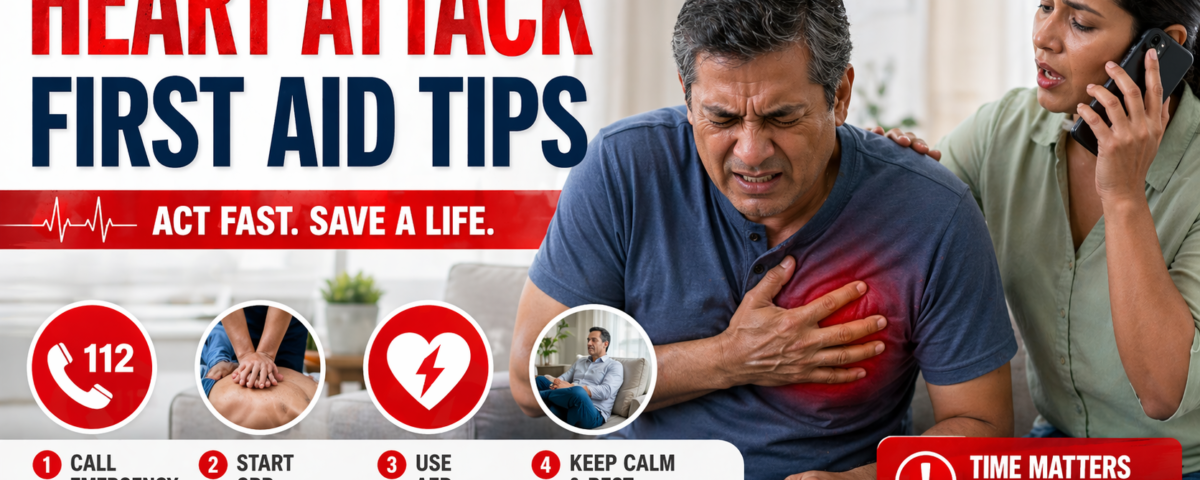
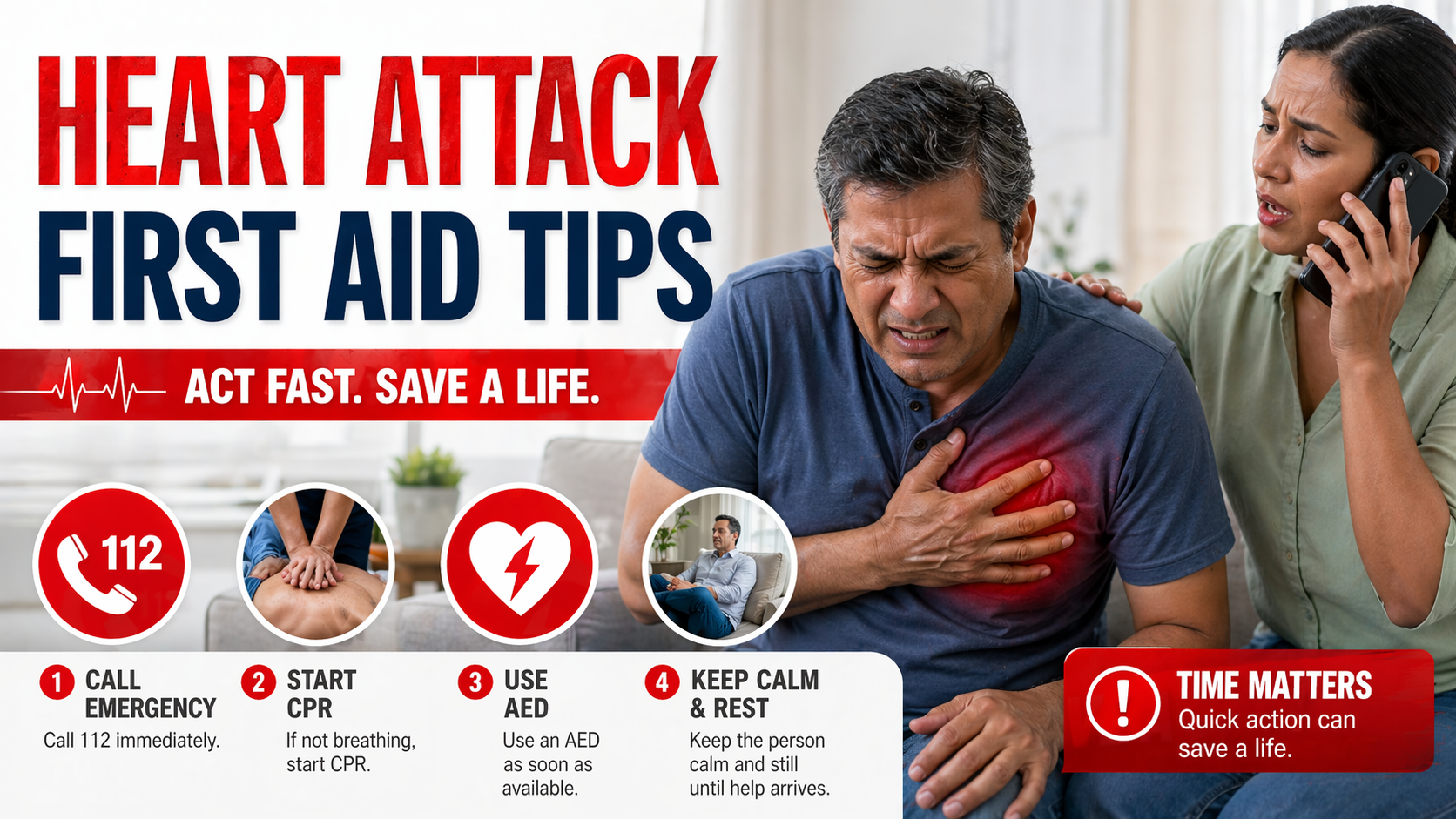
A heart attack is one of those situations where seconds matter more than anything else, especially when immediate care from an ICU Hospital in Badshahpur Gurgaon can make a life-saving difference.
What you do in the first few minutes can decide the outcome. Many people hesitate, misread symptoms, or wait too long—and that delay often causes more damage than the attack itself.
This guide focuses on practical, real-world actions you can take immediately, without panic or confusion.
If you’ve ever wondered about Heart Attack First Aid Tips, this article breaks it down clearly so you’re not guessing at a critical moment.
Heart Attack First Aid Tips: What You Should Know
Understanding heart attack first aid tips properly, rather than relying on assumptions, is what actually keeps people safe and helps them get the right care at the right time. The World Health Organization publishes guidance on this topic that supports the approach we follow at TrustMed Hospital.
What Is a Heart Attack and Why Immediate Action Matters
A heart attack happens when blood flow to a part of the heart muscle gets blocked, usually due to a clot. Without oxygen, heart tissue begins to die quickly. The faster you restore blood flow, the higher the chance of survival and recovery.
This is where Heart Attack First Aid Tips become essential. They are not optional knowledge—they are life-saving actions.
Ignoring early warning signs or trying to “wait it out” is one of the biggest mistakes people make. The damage begins within minutes and becomes severe within hours.
Early Warning Signs You Should Never Ignore
Recognizing heart attack symptoms early is the first step in effective first aid for heart attack situations. Symptoms don’t always look dramatic, which is why many cases are missed.
Common warning signs include:
- Chest discomfort or pressure
- Pain spreading to arms, neck, jaw, or back
- Shortness of breath
- Cold sweats
- Nausea or dizziness
In many cases, people mistake these symptoms for acidity or fatigue. That’s where understanding chest pain first aid becomes critical—don’t assume, act.
Women, older adults, and diabetic patients may show subtle symptoms like fatigue or mild discomfort instead of intense chest pain. That makes awareness even more important.
Heart Attack First Aid Tips Everyone Should Know
Let’s get straight to the point. When a heart attack happens, confusion wastes time. These Heart Attack First Aid Tips are simple, direct, and proven.
First, call emergency medical services immediately. Do not try to drive yourself unless absolutely necessary. Professional care on the way can make a difference.
Second, make the person sit down and stay calm. Movement increases strain on the heart.
Third, loosen tight clothing and ensure proper airflow.
Fourth, if prescribed, take aspirin (only if not allergic). It helps thin the blood and may improve survival chances.
These steps form the foundation of what to do during heart attack scenarios. Nothing fancy—just effective.
Step-by-Step: What to Do During a Heart Attack
Understanding heart attack what to do is about removing hesitation. Here’s a clear sequence you can follow:
Call for help immediately. Don’t wait to “confirm” it’s a heart attack.
Keep the person seated and relaxed.
Give aspirin if medically appropriate.
Monitor breathing and consciousness.
If the person becomes unresponsive and stops breathing, begin CPR immediately.
These are not theoretical instructions. They are real actions that save lives. Following these Heart Attack First Aid Tips can significantly increase survival rates.
The Role of CPR in Emergency Situations
If the person collapses and stops breathing, CPR becomes critical. Even basic chest compressions can keep blood circulating until medical help arrives.
Push hard and fast in the center of the chest. Aim for about 100–120 compressions per minute.
Many people hesitate because they fear doing it wrong. That hesitation is more dangerous than imperfect CPR.
In extreme cases, knowing first aid for heart attack combined with CPR can be the difference between life and death.
Chest Pain First Aid: What You Should and Shouldn’t Do
Not all chest pain is a heart attack—but treating it lightly is risky. That’s why understanding chest pain first aid is essential.
What you should do:
Take chest pain seriously.
Stop all physical activity.
Call for medical help.
What you should not do:
Ignore symptoms
Self-medicate randomly
Drive long distances without help
The biggest mistake is delay. Acting early—even if it turns out to be a false alarm—is always the safer option.
Heart Attack Instant Medicine: What Actually Helps?
People often search for heart attack instant medicine, expecting a quick fix. Let’s be clear—there is no magic pill that stops a heart attack instantly outside a medical setting.
However, aspirin plays a crucial role. It helps prevent further clotting and is often recommended during suspected heart attacks.
Prescription medications like nitroglycerin may also be used, but only if already prescribed.
Relying on unverified remedies or waiting for symptoms to pass is dangerous. Real Heart Attack First Aid Tips focus on immediate medical intervention, not shortcuts.
Common Mistakes People Make During a Heart Attack
This is where reality hits. People don’t fail because they don’t care—they fail because they misunderstand the situation.
Common mistakes include:
Waiting for symptoms to go away
Assuming its acidity
Driving alone instead of calling for help
Ignoring mild symptoms
Understanding what to do during heart attack situations means avoiding these mistakes completely.
Another major issue is panic. Panic leads to poor decisions. Following structured Heart Attack First Aid Tips helps you stay focused.
Special Considerations for High-Risk Individuals
People with diabetes, high blood pressure, obesity, or a history of heart disease are at higher risk.
For them, knowing heart attack what to do is not optional—it’s necessary.
They should:
Keep emergency numbers saved
Carry prescribed medication
Inform family members about their condition
In such cases, early first aid for heart attack can prevent severe complications.
How to Stay Prepared Before an Emergency Happens
Preparation is what separates panic from control. When you’re mentally and physically ready, your response becomes faster and more effective during a crisis.
Learning basic CPR can make a life-saving difference, especially in the first few minutes of a cardiac emergency.
Keeping aspirin accessible at home or in your bag is another simple but crucial step that supports immediate response during chest pain situations.
It’s equally important to be aware of a trusted Emergency Care Hospital in Badshahpur Gurgaon so you don’t waste time searching during an emergency.
Make sure your family members are also educated about what to do, because emergencies don’t come with warnings, and someone else may need to act when you can’t.
Preparation strengthens your ability to act quickly and confidently. That’s the real purpose of learning Heart Attack First Aid Tips—being ready before the situation hits.
Recovery Starts with Immediate Action
Survival is just the first step. Faster response leads to better recovery outcomes.
Patients who receive early care often:
Have less heart damage
Recover faster
Experience fewer complications
This is why heart attack instant medicine is not the focus—timely action is.
When to Seek Immediate Medical Help
You should not try to “monitor” symptoms at home if:
Chest pain lasts more than a few minutes
Pain spreads to other areas
Breathing becomes difficult
At that point, rely on Heart Attack First Aid Tips and seek emergency care immediately.
Delays reduce survival chances significantly.
Final Thoughts That Actually Matter
Let’s be blunt—most people know heart attacks are serious, but very few are actually prepared.
Reading about Heart Attack First Aid Tips is one thing. Acting on them without hesitation is another.
If you take one thing from this, make it this:
Don’t wait. Don’t guess. Act immediately.
Understanding heart attack what to do, applying proper chest pain first aid, and knowing real Heart Attack First Aid Tips steps are not just useful skills—they are life-saving decisions.
And if you’re still thinking “this won’t happen to me,” that’s exactly how most people think—right before it does.
When every second matters, getting immediate medical help from a trusted Hospital in Badshahpur Gurgaon can be the difference between survival and tragedy.