Piles (Hemorrhoids) Treatment: Symptoms, Causes and When Surgery Is Needed

Hospital Near Me in Badshahpur Gurgaon: How to Choose the Right One
September 17, 2026
Varicose Veins Treatment: 7 Signs You Shouldn’t Ignore
September 17, 2026
Not all surgical problems announce themselves with a dramatic emergency. Piles, medically known as hemorrhoids, are one of the most common reasons people visit a general surgeon, and yet many people delay seeking piles treatment Gurgaon doctors recommend simply out of embarrassment. Left unaddressed, mild piles can progress into a painful, bleeding problem that’s much harder to manage. This guide breaks down what’s actually happening in the body, when surgery is really needed, and what recovery looks like.
What Are Piles (Hemorrhoids)?
Piles are swollen blood vessels in and around the anus and lower rectum, similar in some ways to varicose veins. They occur when there is increased pressure on these blood vessels, causing them to swell and become inflamed. Piles can be internal (inside the rectum) or external (under the skin around the anus), and the treatment approach often depends on which type and how severe it has become.
What Causes Piles
- Chronic constipation or straining — repeated straining during bowel movements increases pressure on the rectal veins.
- Prolonged sitting — especially on the toilet, which increases pressure on the anal region.
- Pregnancy — increased pressure from the growing uterus and hormonal changes make pregnant women particularly prone to piles.
- Low-fiber diet — a diet low in fiber contributes to constipation, one of the biggest risk factors.
- Obesity and heavy lifting — both increase abdominal and pelvic pressure.
- Aging — the tissues supporting the veins in the rectum and anus can weaken with age.
Piles Symptoms to Watch For
Many people carry mild piles without realizing it, since early symptoms can be subtle. But certain signs shouldn’t be ignored:
- Bright red bleeding during or after a bowel movement.
- Itching or irritation around the anus.
- Pain or discomfort, especially while sitting.
- A lump or swelling near the anus, which may be tender.
- A feeling of incomplete bowel emptying.
- Mucus discharge after passing stool.
The Mayo Clinic notes that hemorrhoid symptoms vary depending on type and severity, and many cases improve with simple lifestyle and dietary changes before more invasive treatment is ever needed.
Diagnosis and Piles Treatment Gurgaon Surgeons Recommend
Diagnosis usually starts with a physical examination, and in some cases a more detailed internal examination to check for internal hemorrhoids. Blood tests are rarely needed unless significant bleeding raises concern about anemia. According to the NHS, treatment depends heavily on the grade and severity of the piles — mild cases often respond to conservative measures, while more advanced cases need a procedural or surgical approach.
Non-Surgical Treatment Options
- Dietary fiber and hydration — softening stool reduces straining, which is often the single biggest factor in symptom improvement.
- Topical creams and ointments — to reduce swelling, itching, and discomfort.
- Sitz baths — warm water soaks that soothe irritation and reduce swelling.
- Rubber band ligation — a minor procedure where a small band is placed around an internal hemorrhoid to cut off its blood supply.
When Surgery Becomes Necessary
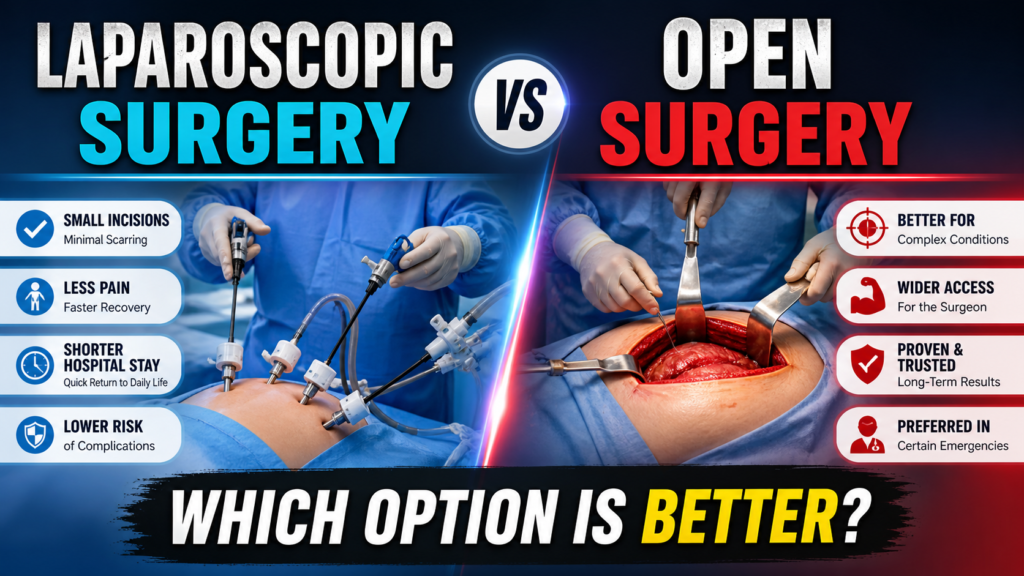
Surgery is generally reserved for larger, more advanced hemorrhoids that don’t respond to conservative treatment, or that cause significant bleeding, pain, or prolapse. The main surgical options include:
- Hemorrhoidectomy — surgical removal of the hemorrhoid, typically reserved for large or persistent cases.
- Stapled hemorrhoidopexy — a technique that repositions internal hemorrhoids and cuts off their blood supply, often with a faster recovery than traditional surgery.
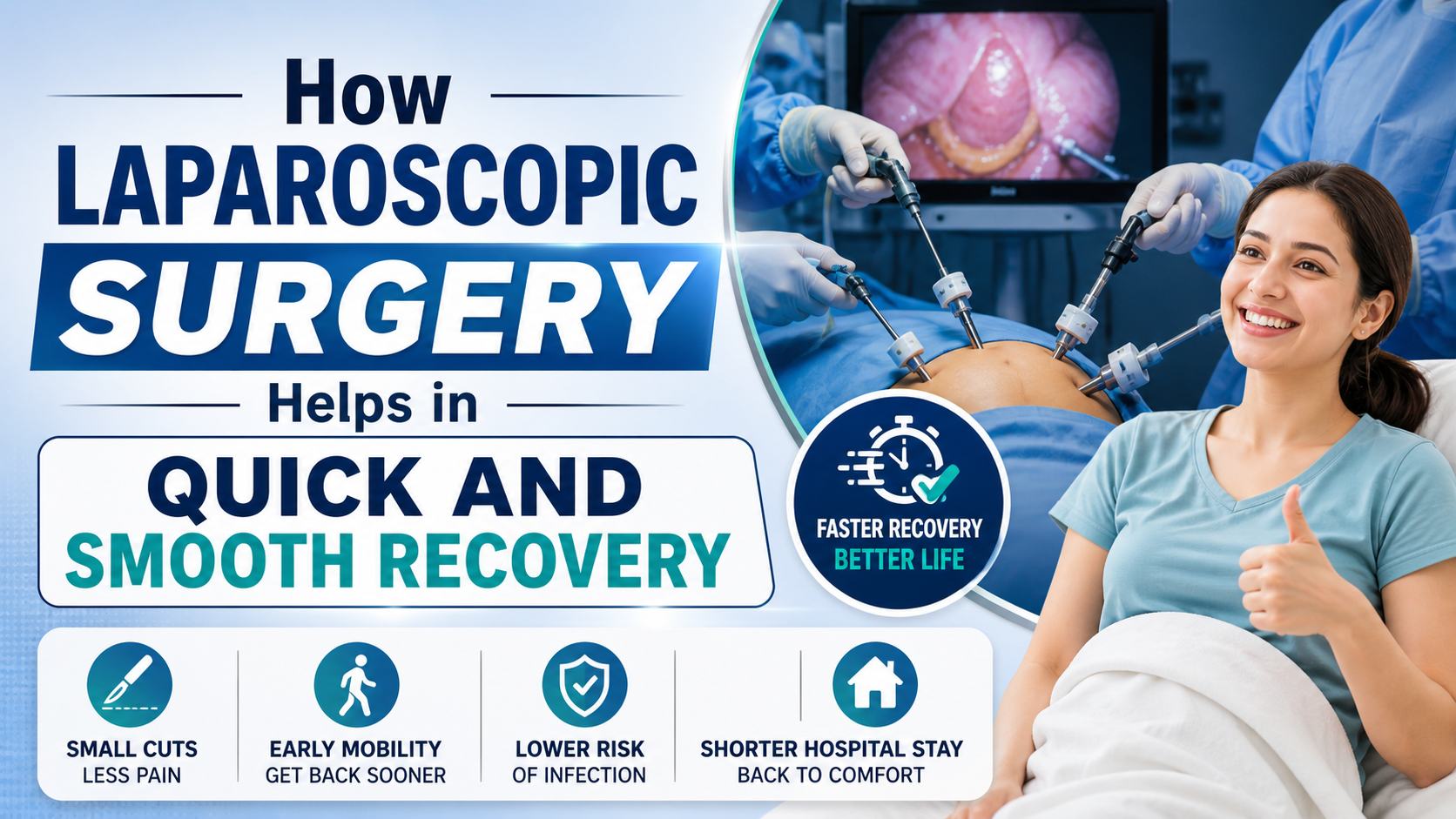
- Laser hemorrhoidectomy — a minimally invasive option gaining popularity for its shorter recovery time and reduced post-operative pain.
Surgeons affiliated with bodies such as the American Society of Colon and Rectal Surgeons follow established clinical protocols for determining when conservative management has been exhausted and surgical intervention is warranted.
What to Expect Around Surgery
Most piles procedures are performed in our general surgery department using our modular operation theatre, designed to minimize infection risk and support precision minimally invasive techniques. Preparing properly — from dietary adjustments before surgery to arranging post-surgery support at home — makes a real difference in how smoothly recovery goes. Our surgery preparation checklist walks through exactly what to expect before and after the operation.
Most patients go home the same day or within 24 hours, and can resume light activities within a few days to a week, with full recovery typically taking 2-4 weeks depending on the procedure performed.
Preventing Piles from Coming Back
- Eat a high-fiber diet with plenty of fruits, vegetables, and whole grains.
- Stay well hydrated throughout the day.
- Avoid straining during bowel movements and don’t delay the urge to go.
- Exercise regularly to support healthy digestion and reduce pressure on pelvic veins.
- Avoid prolonged sitting, especially on the toilet.
When to See a Doctor
If you’ve noticed rectal bleeding, persistent discomfort, or a lump near the anus, it’s important to get evaluated promptly rather than assuming it’s “just piles” and waiting it out — some of these symptoms can also indicate other conditions that need a proper diagnosis. Our guide on when symptoms need a doctor’s opinion covers broader warning signs worth acting on quickly.
Frequently Asked Questions
Can piles go away on their own?
Mild piles often improve with dietary and lifestyle changes alone, especially if caught early. Larger or more advanced piles usually need a procedural or surgical approach for lasting relief.
Is piles surgery very painful?
Modern techniques, especially laser and stapled procedures, have significantly reduced post-operative pain compared to traditional surgery. Most patients describe manageable discomfort that improves within days.
Can piles come back after treatment?
Recurrence is possible, especially if underlying causes like chronic constipation or a low-fiber diet aren’t addressed. Long-term prevention through diet and lifestyle changes significantly reduces this risk.
Is piles treatment covered under insurance?
Most health insurance policies in India cover piles surgery when medically necessary. Our team can guide you through documentation and approvals via our contact page.
If piles are affecting your daily comfort and quality of life, don’t wait for it to get worse. Effective piles treatment Gurgaon patients trust starts with an honest evaluation. Book a consultation with our general surgery team at TrustMed Hospital, Badshahpur, Gurgaon.
Ready to talk to a specialist? Call us directly at +91-8700232311 to book a consultation, or reach out online. Our team also assists with cashless insurance approvals.