6 Warning Heart Attack Symptoms You Should Never Ignore

How Much Water Intake for Kids Is Right for Summer Season?
April 22, 2026
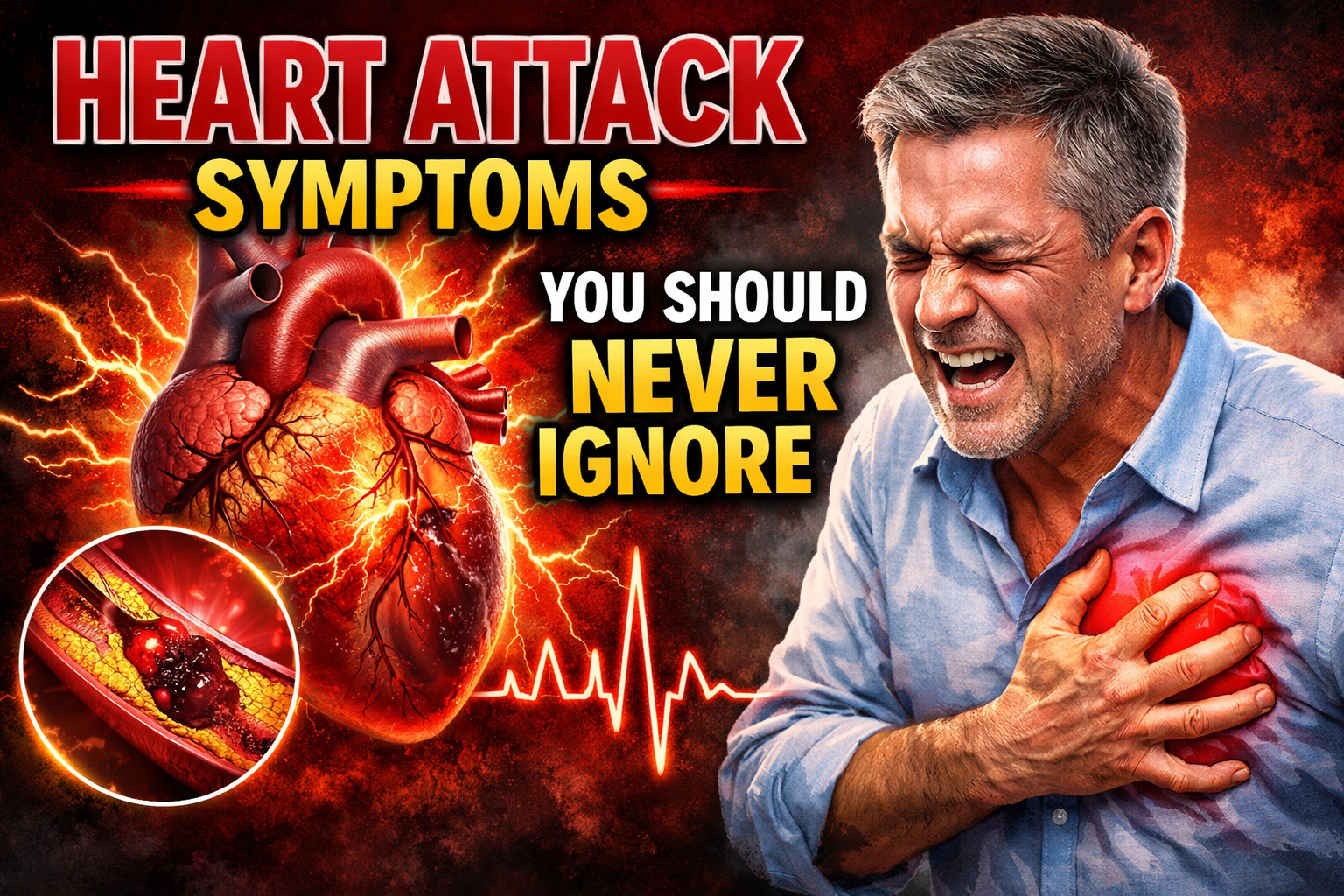
Heart attacks rarely happen without warning. The body often sends signals hours, days, or even weeks before a serious cardiac event. The problem is, most people either miss these signals or ignore them until it’s too late. Understanding heart attack symptoms can literally save your life or someone else’s.
This guide breaks down the most critical warning signs, explains why they occur, and tells you exactly when to act. No fluff, no fear tactics—just clear, medically accurate information you can actually use.
Why Recognizing Heart Attack Symptoms Matters
A heart attack occurs when blood flow to the heart muscle is blocked, usually due to plaque buildup in the arteries. Without oxygen, heart tissue begins to die quickly. This is why emergency heart care is time-sensitive.
The earlier you recognize heart attack symptoms, the higher the chances of survival and recovery. Delays can lead to permanent damage or even death.
Many people think heart attacks always come with dramatic chest pain. That’s wrong. Some symptoms are subtle, especially in women, older adults, and people with diabetes.
1. Chest Pain or Discomfort
This is the most common of all heart attack symptoms, but it doesn’t always feel the way you expect.
It can feel like:
- Pressure or tightness in the chest
- A squeezing or burning sensation
- A feeling of fullness or heaviness
It may last for a few minutes or come and go. Understanding different chest pain causes is important, but if the pain feels unusual or intense, you should not try to guess—get help immediately.
Among all heart attack signs, chest discomfort is the most recognized, yet still widely ignored.
2. Pain Spreading to Arms, Neck, or Jaw
Pain that radiates from the chest to other parts of the body is another major warning.
You might feel discomfort in:
- Left or right arm
- Shoulders
- Neck
- Jaw or back
This type of spreading pain is one of the classic heart attack signs, but people often mistake it for muscle strain or fatigue.
If this happens along with other heart attack symptoms, don’t wait. Seek emergency heart care right away.
3. Shortness of Breath
Struggling to breathe without any clear reason is a serious red flag.
You may notice:
- Breathlessness during rest
- Difficulty breathing while lying down
- Sudden fatigue with minimal activity
Shortness of breath can occur with or without chest pain. It is often linked to underlying heart disease risk factors such as high blood pressure, obesity, or smoking.
This symptom is commonly seen in both typical and silent heart attack signs, making it especially dangerous.
4. Unusual Fatigue
Feeling tired after a long day is normal. But extreme, unexplained fatigue is not.
You should be concerned if:
- You feel drained without physical activity
- Simple tasks feel exhausting
- Fatigue lasts for days without improvement
This is one of the most overlooked heart attack symptoms, especially in women. It’s also one of the early silent heart attack signs, which means it may appear before more obvious symptoms.
Ignoring this can delay necessary emergency heart care, increasing the risk of complications.
5. Nausea, Indigestion, or Stomach Pain
This is where many people get it wrong. They assume it’s just acidity or digestive trouble.
But symptoms like:
- Nausea
- Vomiting
- Burning sensation in the chest
- Upper abdominal pain
can actually be related to heart attack symptoms.
These are often confused with common chest pain causes like acid reflux. However, if these symptoms appear suddenly or feel different from usual digestion issues, you need to take them seriously.
Many silent heart attack signs show up exactly like this—mild, misleading, and easy to ignore.
6. Cold Sweats, Dizziness, or Lightheadedness
Suddenly breaking into a cold sweat or feeling dizzy without a clear reason is another warning sign.
You may experience:
- Sweating without physical exertion
- Feeling faint or weak
- Sudden imbalance or confusion
These are critical heart attack symptoms that often occur alongside other symptoms.
They indicate that your heart may not be pumping effectively, which is a medical emergency requiring immediate emergency heart care.
Silent Heart Attack Signs: The Dangerous Ones
Not all heart attacks are loud and obvious. Some happen quietly, with minimal symptoms.
Common heart attack symptoms include:
- Mild discomfort instead of severe pain
- Fatigue and weakness
- Slight breathlessness
- Light chest pressure
People with diabetes or high heart disease risk factors are more prone to silent attacks.
The danger is simple: you don’t act because you don’t realize what’s happening.
When to Seek Medical Help
Here’s the blunt truth—if you’re unsure whether it’s serious, assume it is.
Seek immediate help if:
- Chest pain lasts more than a few minutes
- Symptoms come and go repeatedly
- You experience multiple heart attack symptoms together
Do not drive yourself. Call emergency services or get someone to take you to the nearest hospital.
If you’re in Gurgaon, reaching a reliable Hospital in Badshahpur Gurgaon quickly can make a life-saving difference. Facilities with advanced cardiac support and trained teams are essential during such emergencies.
Understanding Heart Disease Risk Factors
You can’t prevent what you don’t understand. Knowing your heart disease risk factors helps you stay ahead.
Major risk factors include:
- High blood pressure
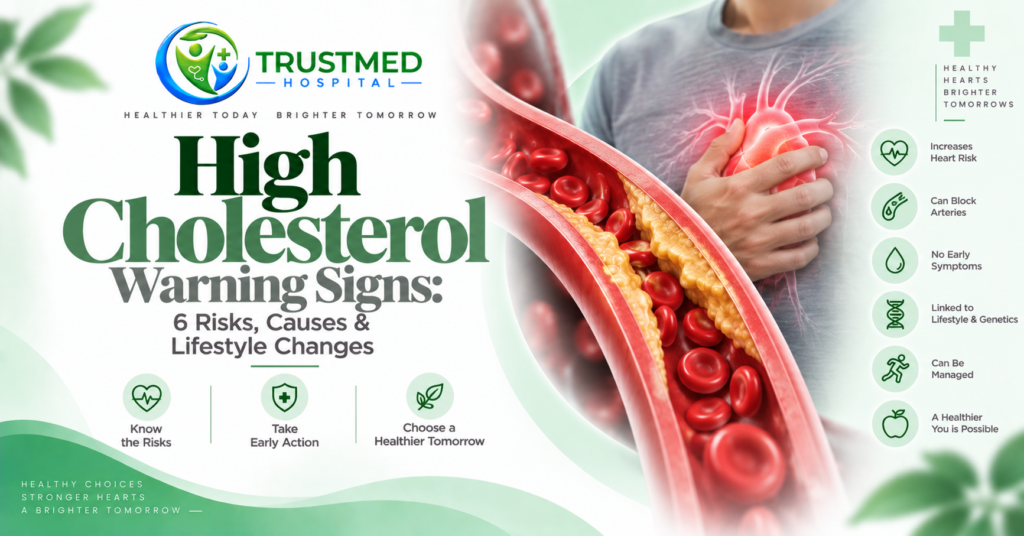
- High cholesterol
- Smoking
- Diabetes
- Obesity
- Sedentary lifestyle
- Family history
These factors increase your chances of developing conditions that lead to heart attack symptoms.
The more risk factors you have, the more seriously you should take even minor heart attack signs.
What Happens During Emergency Heart Care
When you reach a hospital, the focus is immediate stabilization.
Typical steps in emergency heart care include:
- ECG to check heart activity
- Blood tests to detect heart damage
- Oxygen support
- Medications to dissolve clots
In severe cases, patients may need intensive monitoring. This is where an ICU Hospital in Badshahpur Gurgaon becomes critical, as it provides continuous cardiac care and rapid intervention.
Time lost equals heart muscle lost. That’s the reality.
Preventive Tips You Should Actually Follow
Let’s be honest—most people know what they should do but don’t do it.
Here’s what actually matters:
1. Control Blood Pressure and Cholesterol
Unchecked levels are among the biggest heart disease risk factors.
2. Quit Smoking
Smoking directly damages your arteries and increases the likelihood of heart attack symptoms.
3. Stay Active
Even 30 minutes of walking daily can significantly reduce risk.
4. Eat Smart
Reduce processed foods, sugar, and unhealthy fats. Focus on balanced meals.
5. Manage Stress
Chronic stress contributes to multiple heart attack signs, including high blood pressure and poor lifestyle habits.
6. Regular Health Checkups
Early detection helps prevent emergencies. Don’t wait for symptoms to appear.
Common Mistakes People Make
People don’t just miss symptoms—they actively ignore them.
Here are the most common mistakes:
- Assuming symptoms are “just gas”
- Waiting for pain to become unbearable
- Ignoring fatigue and breathlessness
- Self-medicating instead of seeking help
This delay is why many cases require advanced emergency heart care instead of early intervention.
Final Thoughts
Your body doesn’t fail suddenly—it warns you first. The problem is, most people don’t listen.
Understanding heart attack symptoms is not optional. It’s basic survival knowledge.
If you notice even a combination of mild heart attack signs, take them seriously. Whether it’s chest discomfort, unusual fatigue, or silent heart attack signs, don’t wait for confirmation—act fast.
Access to proper emergency heart care, especially in a trusted Emergency Care Hospital in Badshahpur Gurgaon, can be the difference between recovery and tragedy.
Stop guessing. Stop delaying. Recognize the signs and respond immediately.